How to Remove Ego Lawn Mower Blade: A Step-by-Step Guide
Learn how to safely remove an Ego lawn mower blade for sharpening or replacement with a clear, step-by-step method from Mower Help. Includes safety tips, required tools, and reinstallation best practices.


By the end of this guide you’ll safely remove an Ego lawn mower blade for sharpening or replacement. Start by disconnecting the power source, securing the mower, and gathering the right wrench or socket. Follow the step-by-step process, plus safety tips, to reinstall the blade correctly and avoid injury, and ensure the hub is clean.
Safety first: prerequisites before removing the blade
When you’re planning to remove the Ego lawn mower blade, safety is not optional — it’s the foundation. The Mower Help team emphasizes you should always disconnect power, secure the mower, and wear proper personal protective equipment. On a battery-powered Ego, this means removing the battery and storing it away from your workspace. Even if you intend only to sharpen or inspect the blade, a sudden power-up can cause serious injuries. Before you touch anything, clear the area of children and pets, and ensure you have a stable, flat surface to work on. A loose tool or slippery deck can lead to slips that injure hands or drop the blade. In addition to PPE, arrange your workspace so tools, replacements, and cleaning supplies are within arm’s reach, reducing the need to fiddle around while holding sharp metal. According to Mower Help, taking a few extra minutes to set up correctly saves time later and protects your mower’s spindle and blade clamp from damage. Finally, double-check that the blade is oriented correctly when you reassemble it, so you avoid unnecessary wear or dangerous vibration.
Tools and workspace preparation: what you’ll need and why
Before you touch the blade, prepare a clean, uncluttered workspace with good lighting. The right tools reduce the risk of slips, missteps, and accidental blade movement. In addition to basic PPE, you want a wrench or socket that fits the blade bolt snugly, a blade holder or locking pliers if available, and a way to secure the mower so it won’t roll. Keep a clean rag or solvent handy to wipe the spindle area after removal. If you plan to sharpen or replace, have a replacement blade on hand or a sharpening tool as appropriate. Laying out spacers, washers, or any washers that came with the blade in their own small containers helps you reassemble correctly. A tidy workspace also minimizes the chance of losing small parts during reassembly. This preparation step reduces surprises and speeds up the process in the long run.
Step-by-step overview: what happens during blade removal
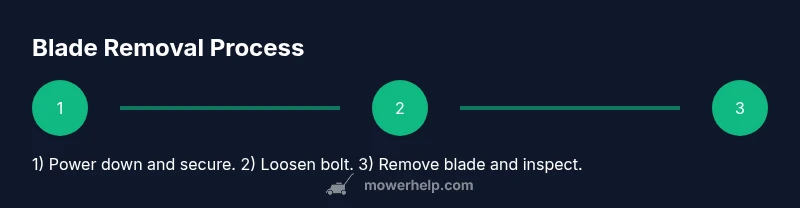
Blade removal is a controlled mechanical process that involves power-down, stabilization, and careful loosening of the blade bolt. You’ll typically need to access the blade bolt, hold the blade to prevent rotation, and lift the blade away from the spindle. The goal is to remove the blade without damaging the spindle, blade clamp, or hub. Understanding the sequence in advance helps you stay calm and focused, especially if you encounter resistance from a stubborn bolt. Remember that this is maintenance work; patience and proper technique yield a safer, cleaner result and protect the mower’s performance over time.
Step-by-step in detail: Step-by-step process you’ll perform (1–8)
In this section you’ll see the concrete sequence you’ll follow when removing the Ego blade. Each step remains a single, focused action, with a practical tip to avoid common mistakes. The steps are designed to minimize risk—keep your hands away from the blade path, ensure tools are correctly sized, and verify the blade’s seating before reinstallation. The steps cover power-down, stabilization, loosening, removal, inspection, cleaning, reinstallation, and test rotation by hand. By following these steps carefully, you’ll complete the blade removal with confidence and safety.
Blade inspection and decision point: sharpen or replace
After removing the blade, inspect it for dullness, chips, cracks, or warping. A worn blade can cause uneven cutting, increased vibration, and potential safety hazards. If sharpening is an option, do so with appropriate equipment, keeping the edge balanced and true. If there are any signs of damage, replace the blade instead of attempting crude repairs. Similarly, inspect the spindle for nicks or burrs and remove any debris that could affect seating. Proper inspection ensures you don’t install a compromised blade, preserving cutting performance and safety for future mowing sessions.
Reinstallation and safety test: restoring the blade to service
Reinstalling the blade requires precise orientation and secure tightening. Place the blade on the spindle with the same profile orientation as the removed blade, align any washers or spacers, and thread the bolt by hand to avoid cross-threading. Use the appropriate tool to snug the bolt — avoid forcing it beyond the point of snugness, as overtightening can damage the blade or spindle. Once secured, gently rotate the blade by hand to ensure it spins freely without rubbing. If it does, recheck alignment and seating. Finally, reinsert the battery and test the mower on a safe surface to confirm proper operation before resuming regular mowing.
Cleaning up and storing after blade work
When you’re finished, wipe down the spindle, deck, and blade surface to remove grass residues that can corrode the metal over time. Store tools in their designated spots and dispose of any damaged blades following local regulations. If you sharpened the blade, inspect the edge again before the next use to ensure no burrs remain. Proper cleanup extends the life of the blade clamp and spindle and keeps your mower ready for the next mowing season.
Tools & Materials
- Safety gloves (cut-resistant)(Protect hands from blades and sharp edges)
- Safety glasses(Shield eyes from debris, especially during detachment)
- Wrench or socket set (correct size for blade bolt)(Fit the bolt snugly to avoid slippage)
- Blade holder or locking pliers (optional)(Keeps blade from turning during removal)
- Replacement blade or sharpening tool(Needed if you’re replacing or sharpening the blade)
- Rags and solvent for hub cleanup(Clean spindle and mounting surface before reassembly)
- Torque wrench (optional)(Use manufacturer torque specifications if available)
Steps
Estimated time: 20-45 minutes
- 1
Power down and detach the battery
Turn off the mower, remove the battery, and set it aside in a safe spot. This eliminates the risk of accidental starts while you work on the blade.
Tip: Always verify the mower is truly powered down before touching any moving parts. - 2
Position and secure the mower
Place the mower on a flat, stable surface or prop it appropriately so the blade is accessible but not at risk of tipping. A steady setup reduces slips and injuries.
Tip: Use blocks or a stand to prevent rolling during the procedure. - 3
Lock or prevent blade rotation
If your model supports a blade lock or you can safely brace the blade with locking pliers, engage it to stop the blade from spinning while you loosen the bolt.
Tip: Locking the blade dramatically reduces slippage and the chance of hand injury. - 4
Loosen the blade bolt
Using the correctly sized wrench, loosen the blade bolt while keeping a hand on the blade to prevent spinning. Turn counterclockwise with steady, even pressure.
Tip: Do not apply sideways force; angle the wrench to maintain a straight pull. - 5
Remove the blade
Carefully lift the blade away from the spindle, noting the orientation and any spacers or washers that came with it.
Tip: Keep track of all hardware so you can reinstall exactly as removed. - 6
Inspect the blade and hub
Check the blade for dullness, chips, cracks, or warping. Inspect the spindle mounting surface for burrs or damage that may affect seating.
Tip: Replace damaged blades rather than attempting risky repairs. - 7
Clean the hub area
Wipe away grass clippings and debris from the spindle and mounting area to ensure a clean seating surface for reinstallation.
Tip: A clean hub helps the blade sit true and reduces vibration. - 8
Reinstall and snug the blade
Place the blade in its correct orientation, insert any spacers, and tighten the bolt until snug. Avoid overtightening, which can strip threads or stress the blade.
Tip: Hold the blade with a tool while tightening to prevent rotation.
Got Questions?
Can I remove the Ego blade with the battery installed?
No. Always remove the battery and disconnect power before blade work. This prevents accidental starts and reduces the risk of injury.
Always remove the battery and disconnect power before blade work.
What tools do I need to remove the blade?
Use a correctly sized wrench or socket, plus safety gloves and glasses. A blade holder can help keep the blade from turning.
You'll need a properly sized wrench and safety gear.
How should I reinstall the blade to avoid injury?
Place the blade in proper orientation, tighten the bolt snugly while holding the blade, and avoid overtightening. Check that the blade sits flat against the hub before testing.
Make sure the blade sits flat and tighten securely.
Can I sharpen the blade myself?
Yes, you can sharpen if the blade is dull, following manufacturer recommendations and using proper sharpening tools. Replace if there are cracks, chips, or severe wear.
Sharpen if in good condition; replace if damaged.
What if the blade bolt won't loosen?
Apply penetrating oil or use a larger wrench with controlled force. If it still won’t budge, seek professional servicing to avoid damaging the spindle.
Apply oil and use steady force; seek service if stuck.
Watch Video
The Essentials
- Disconnect power before any blade work
- Use the correct tool and hold the blade stationary
- Inspect blade for wear and replace as needed
- Reinstall with orientation and snug torque, then test safely