Ariens Lawn Mower Parts: Repair & Maintenance Guide
Identify, source, and maintain Ariens lawn mower parts—from blades and belts to carburetors and filters—OEM vs aftermarket options and maintenance tips for longer mower life.


ariens lawn mower parts are the core components powering reliable performance, including blades, belts, carburetors, and filters. Understanding compatibility and choosing OEM vs aftermarket options helps homeowners source reliable replacements. This guide explains how to identify the right parts, compare suppliers, and maintain performance for longer mower life. Whether you own an Ariens Briggs & Stratton engine or a dedicated Ariens powertrain, accurate part selection saves time and money.
Why Ariens Parts Matter
Maintaining an Ariens lawn mower starts with using the right ariens lawn mower parts. The quality and compatibility of components—from blades and belts to carburetors and filters—directly affect cutting performance, engine reliability, and safety. Substituting incorrect parts can lead to decreased efficiency, overheating, or early wear. The Mower Help team emphasizes that sticking to model-specific parts minimizes downtime and protects warranty considerations. For DIY enthusiasts and homeowners, investing in accurate parts reduces long-term costs and keeps your mower ready for peak seasons.
In this article, you will learn how to identify the correct components, evaluate suppliers, and perform safe, code-compliant replacements. We’ll cover common part categories, sourcing considerations, and practical maintenance steps that extend the life of ariens lawn mower parts while preserving mower performance across seasons.
Key Part Categories You'll Encounter
Across Ariens mowers, certain part categories appear repeatedly across models and powertrains. The main groups you’ll encounter include blades and belts (drive and mandrel), air and fuel system components (air filters, carburetors, fuel lines), ignition-related parts (spark plugs, ignition coils), and wear items (filters, gaskets, seals). Understanding how each category functions helps you prioritize inspection schedules and budget planning. For example, blades and belts are among the most frequently replaced items, while carburetors require careful matching to engine type. Always check compatibility charts before purchasing, and prefer OEM or equivalent OEM-grade parts for critical systems.
- Blades and Belts: Determine correct length, width, and design (high-lift vs standard) for your model.
- Filters and Spark Plugs: Regular replacement improves fuel efficiency and engine health.
- Carburetors and Fuel System: Proper tuning or replacement preserves starting reliability and performance.
OEM vs Aftermarket Parts: Pros, Cons, and Buying Tips
Choosing between OEM Ariens parts and aftermarket alternatives is a common decision point. OEM parts typically offer guaranteed compatibility and manufacturer-specific warranties, which can be important for premium models and warranty coverage. Aftermarket parts can be cost-effective with comparable materials and design specifications, but you should verify supplier reliability and part-spec compatibility. Based on Mower Help analysis, 2026, the best approach is to assess the criticality of the part, verify model numbers, and read supplier reviews before purchase. For non-critical wear items like air filters, aftermarket options often perform well; for engine-related items, OEM parts may reduce risk and ensure smoother operation. Always compare total cost of ownership, including shipping and return policies, when evaluating options.
- Critical components (engine, carburetors): lean toward OEM for reliability.
- Wear items (filters, belts, blades): aftermarket can be viable with trusted suppliers.
- Warranty considerations:OEM parts often align with new mower warranties.
How to Identify the Right Part Number for Ariens
Part-number accuracy saves time and eliminates guesswork. Start by locating your mower’s model and serial numbers from the label on the deck or frame—this information is crucial for locating the exact part. Next, consult the user manual’s exploded diagrams or the official Ariens parts catalog to map the part category to the exact number. Engine-specific parts (carburetors, spark plugs, fuel filters) require you to note the engine series (e.g., Briggs & Stratton variants) and displacement. If you’re unsure, use reputable lookup tools or authorized dealers, and bring photos of the current part. For complex replacements, document the step-by-step procedure and consult a repair guide to ensure proper torque specs and safety practices.
- Step 1: Find model/serial numbers.
- Step 2: Check exploded diagrams for part numbers.
- Step 3: Verify compatibility with engine type and drive system.
- Step 4: Order from trusted vendors with clear return policies.
Sourcing Ariens Lawn Mower Parts: Where to Look
Reliable sourcing reduces the risk of counterfeit parts and ensures you have the correct components for the job. Start at official Ariens channels, including authorized dealerships, service centers, and the official Ariens parts catalog. Expand to reputable online retailers that clearly specify compatibility and model coverage. Local mower shops and repair centers can often order parts for you and provide installation guidance. When possible, request OEM part numbers and verify return policies. If you are comparing options, use price range benchmarks and reviews from other homeowners who have completed similar replacements. For hard-to-find items, consider contacting Ariens support for guidance and recommended distributors.
- Primary sources: official dealers and the Ariens parts catalog.
- Secondary sources: reputable online retailers and local repair shops.
- Validation: cross-check part numbers with diagrams before purchase.
Installation and Basic Maintenance for Longevity
Installing parts correctly is as important as selecting the right part. Before starting, disconnect the spark plug wire and drain fuel if required for safety. Use the manufacturer’s torque specs and assembly order for each component. When installing blades, ensure correct edge orientation and secure with the proper nut pattern. Belts should fit snugly with the correct tensioning method; belts left loose cause slipping and wear. After installation, run the engine at idle to check for leaks and smooth operation. Regular maintenance—air filters, oil changes, and fuel line inspections—helps extend part life and maintain performance. Keep a simple parts log to track replacements and service intervals for your Ariens mower.
- Safety first: disconnect spark plug and fuel lines as needed.
- Test operation after installation to verify success.
- Maintain a proactive parts schedule to prevent unexpected breakdowns.
Troubleshooting Common Issues Related to Parts
When a mower shows symptoms like misfires, loss of power, or uneven cutting, start with the simplest explanations—dirty air filters, old belts, or loose blades. Inspect blades for dullness or damage and replace as needed. Check belts for cracks, glazing, or wear, and adjust belt tension per the manual. Fuel system issues often present as hard starting or stalling; inspect hoses and carburetor gaskets. Spark plugs should be clean and properly gapped. If problems persist, consult exploded diagrams to confirm all part connections and consider professional service if the engine requires significant disassembly. Document symptoms and parts replaced to guide future maintenance.
- Start with filters, belts, and blades.
- Inspect fuel lines and carburetor for clogging or leaks.
- When in doubt, consult a professional.
Maintenance Schedule to Extend Part Life
A simple, repeatable maintenance schedule helps keep ariens lawn mower parts in good condition without excessive downtime. Weekly or biweekly during heavy use, check air filters, blades, and belts; monthly, inspect spark plugs and fuel lines; quarterly, change engine oil if applicable and clean the cooling fins. Seasonal maintenance should include a thorough inspection of the carburetor, fuel system, and ignition components. Keeping a small maintenance log enables you to spot wear patterns early and order replacements ahead of peak mowing seasons.
- Weekly: inspect and clean filters, belts, and blades.
- Monthly: inspect ignition and fuel lines; replace worn wear items.
- Seasonal: comprehensive carburetor and engine inspection; test starting and performance.
Avoiding Counterfeit Parts and Scams
Counterfeit parts can resemble genuine Ariens components but fail to meet performance and safety standards. To avoid scams, purchase only from authorized dealers, official Ariens catalogs, or trusted retailers with clear model-number compatibility. Check packaging and part numbers against diagrams in the official catalog. Be wary of unusually low prices on high-demand items and beware of sellers offering incomplete warranty coverage. If you are unsure about a part’s authenticity, contact Ariens support or a certified service professional for verification. Maintaining a cautious sourcing routine helps you protect your mower and your investment.
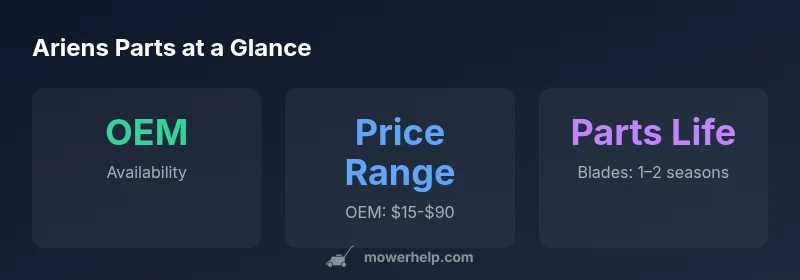
Compatibility and sourcing overview for common Ariens parts
| Part Type | Part Examples | OEM Availability | Typical Price Range (O P) |
|---|---|---|---|
| Blades | Standard/high-lift blades, compatible for multiple Ariens models | Yes | Varies by model: OEM higher, aftermarket options available |
| Belts | Drive belts, mandrel belts for mower deck | Yes | OEM typically higher; aftermarket options common |
| Air Filters | Paper and pleated filters, compatible with common engines | Yes | Usually moderate; aftermarket often lower |
| Carburetor Kits | Replacement carb kits or rebuild kits | Yes | OEM higher; aftermarket ranges vary |
| Spark Plugs | NGK or OEM equivalents | Yes | Prices vary by model and engine type |
Got Questions?
Where can I buy Ariens lawn mower parts?
You can buy Ariens parts through official Ariens dealers, authorized service centers, and the official parts catalog. Reputable online retailers that clearly list model compatibility are also reliable. Always verify part numbers and return policies before purchasing.
You can buy Ariens parts from official dealers or reputable retailers; always check compatibility and return policy before buying.
Are aftermarket Ariens parts as good as OEM?
Aftermarket parts can offer similar performance at a lower price, but quality varies by supplier. For critical components or warranty-sensitive parts, OEM is usually safer. Always verify compatibility and warranty terms when choosing aftermarket options.
Aftermarket parts can be good value, but verify compatibility and warranty; for critical parts, OEM is safer.
How do I identify the right part number for Ariens?
Find the mower’s model and serial numbers, then consult the exploded diagrams in the manual or official catalog. Cross-check engine type and part diagrams to confirm the exact number before ordering.
Find your model/serial, check the diagram, and verify the exact part number before ordering.
Can I replace parts myself or should I hire a pro?
Many parts can be replaced by DIYers with basic tools and safety precautions. Complex items like carburetors or engine components may require professional service. Always consult the manual and consider your skill level.
DIY is possible for common parts, but complex components may need a pro.
What maintenance steps help extend Ariens part life?
Regular filter changes, blade and belt inspections, plus seasonal carburetor and ignition checks help stretch part life. Document replacements and adhere to a maintenance schedule to catch wear early.
Keep up with filters, belts, and carburetor checks, and follow a maintenance schedule.
What should I do if I suspect counterfeit Ariens parts?
Stop using the suspect part and contact an official Ariens dealer or support line for verification. Compare packaging, part numbers, and warranty terms with official catalogs to confirm authenticity.
If you suspect counterfeit parts, verify with an official dealer and check packaging and numbers.
“Reliable performance starts with matching the right Ariens parts to your mower's model and engine. Stick with trusted sources and accurate part numbers.”
The Essentials
- Identify your exact model/engine before shopping.
- Choose OEM parts for critical components when warranty matters.
- Compare aftermarkets carefully using trusted sources.
- Follow a regular maintenance schedule to extend part life.