Honda GCV160 Lawn Mower: Maintenance, Buying Guide, and Tips
Explore maintenance tips, fuel considerations, and buying guidance for Honda GCV160 lawn mower engines. Learn how to keep this popular mower running reliably with practical, data-driven advice.


The Honda GCV160 lawn mower centers on the widely used GCV160 engine, a reliable powerplant in many walk-behind mowers. For owners, key data points to evaluate include fuel compatibility, oil type, air filter condition, and carburetor health. This guide helps homeowners compare maintenance needs and performance across models that share the GCV160 engine.
Understanding the Honda GCV160 Lawn Mower: Engine Overview
The Honda GCV160 engine powers a broad range of walk-behind mowers, delivering steady torque and reliable cold starts. For homeowners, the GCV160 represents a balance of routine maintenance needs with straightforward parts accessibility. The engine is designed for easy field service, and many aftermarket suppliers offer compatible air filters, spark plugs, and carburetor kits. When evaluating a GCV160-powered mower, pay attention to mounting compatibility with the deck, throttle response, and the governor for consistent mowing speed. Regular maintenance is essential to prevent power loss or hard starting. According to Mower Help, a practical approach to maintenance revolves around simple, repeatable routines: check the oil level, inspect the air intake, verify the spark plug gap, and ensure clean fuel is used. This engine's reputation for reliability contributes to favorable ownership costs when maintenance is performed timely.
Key Maintenance Areas for GCV160-Powered Mowers
Maintenance for GCV160-powered mowers focuses on four core areas: fuel, oil, air filtration, and the carburetor. Use fresh fuel and a stable storage plan to minimize varnish and gum buildup in the fuel system. Check oil level before each use and replace with the grade specified in the user manual. Inspect the air filter every few mowing sessions and replace it when dirty or clogged. For the carburetor, spray cleaner or professional cleaning is recommended if you notice rough idling or hard starting. Regular inspection of the spark plug gap supports consistent ignition. Additionally, keep fuel lines and clamps secure to prevent leaks and ensure safe operation.
Maintenance Schedule and Best Practices
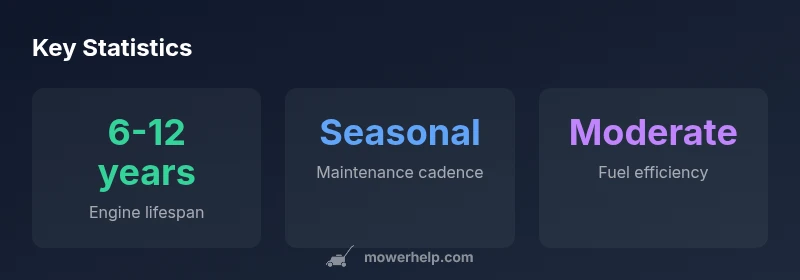
A practical cadence for GCV160 owners is seasonal maintenance with lightweight checks throughout the mowing season. Start each season with a fresh oil check, air-filter inspection, spark plug test, and carburetor condition assessment. If you store the mower for extended periods, run the engine briefly after adding a fuel stabilizer to prevent fuel degradation. Use high-quality fuel and avoid leaving gasoline in the tank for long durations. Keeping a simple log of service events—oil changes, filter replacements, and any carburetor work—helps track when future maintenance is due and reduces the risk of unexpected breakdowns.
Troubleshooting Common Issues
Common issues with GCV160-powered mowers include hard starting, loss of power, and irregular idling. Start with fuel quality and the choke operation. If starting remains difficult, inspect the air filter and spark plug for fouling or wear, and verify the carburetor is clean and functioning. If power drops under load, check the air intake and ensure the cooling fins are free of grass buildup. Irregular idle can indicate a dirty carburetor or vacuum leak. For persistent problems, consult the service manual or a Honda-certified technician.
How to Choose a Honda GCV160 Lawn Mower Model
When selecting a mower that uses the GCV160 engine, consider deck width and cutting height range, weight, and whether you want manual or self-propelled operation. Look for a model with easy access maintenance points, a reliable air-filter housing, and a straightforward carburetor layout. A key decision is whether a mower’s deck size matches your yard’s dimensions: larger decks cut more area faster but can be heavier to maneuver. Check warranty terms and service availability in your region to ensure long-term support. Compare models across brands that use the GCV160 engine to weigh pros and cons in fuel efficiency, durability, and parts availability.
Real-World Performance and Longevity
In real-world use, GCV160-powered mowers perform consistently well when kept up with a simple maintenance routine. Owners report reliable starts in varying weather conditions and steady mowing performance on typical suburban lawns. Longevity is strongly tied to fuel quality, timely oil changes, and air-filter upkeep. While other engines offer similar performance, the GCV160’s balance of power, simplicity, and parts availability often makes it a practical choice for homeowners who prefer a serviceable, long-lasting powerplant.
Safety, Storage, and Long-Term Care
Safety remains a priority with any lawn mower. Always follow the operator manual, wear eye protection, and keep bystanders clear of the work area. For long-term care, drain fuel before storage, add stabilizer, and store in a dry, ventilated area. Regularly inspect safety features like blade guards and brake systems where applicable. This routine reduces the risk of hazardous fuel, fire, or accidental starting when the mower is moved or serviced.
GCV160-powered mower characteristics and maintenance pointers
| Parameter | GCV160-Powered Mower Notes | Practical Tip |
|---|---|---|
| Engine Type | Air-cooled, 4-stroke, overhead valve | Check oil level before each use |
| Fuel Type | Unleaded gasoline; avoid stale fuel | Use fresh fuel and stabilizer for storage |
| Oil Capacity | Refer to manual spec sheet | Do not overfill; check dipstick regularly |
Got Questions?
Is the Honda GCV160 engine suitable for most walk-behind lawn mowers?
Yes, the GCV160 is widely used in walk-behind mowers due to its balance of power and reliability. Verify deck compatibility and mounting patterns with your model.
Yes. The GCV160 is a common, reliable choice for walk-behind mowers; just check deck compatibility and mounting.
What fuel should I use for GCV160-powered mowers?
Use fresh unleaded gasoline and avoid stale fuel. If storing, add a fuel stabilizer to minimize varnish and gum buildup.
Use fresh unleaded gas and stabilizer for storage.
How often should I change the oil on a GCV160 engine?
Refer to the owner's manual, but perform seasonal checks and oil changes as part of routine maintenance.
Oil should be checked seasonally and changed per the manual.
Can I run ethanol-blended fuels in the GCV160?
Ethanol blends can cause fuel-system issues; if possible, use ethanol-free fuel or a suitable stabilizer.
Try to use ethanol-free fuel or stabilizers.
What oil type is recommended for the GCV160?
Use the grade specified in the manual; typically a standard 4-stroke engine oil appropriate for outdoor equipment.
Use the recommended oil grade in the manual.
Where can I find spare parts for a GCV160-powered mower?
Check official Honda service centers and reputable dealers. Avoid counterfeit parts and verify compatibility with your model.
Contact a Honda dealer for genuine parts and support.
“With the Honda GCV160, consistent, simple maintenance delivers reliable starts and steady performance across many models. Keep fuel fresh, oil clean, and air passages clear for best results.”
The Essentials
- Prioritize regular oil and air-filter service.
- Use fresh fuel and stabilize for storage.
- Inspect carburetor and spark plug each season.
- Compare deck sizes and specs before buying.
- Rely on reputable sources for model guidance.