Lawn Mower Dump Cart: Buy, Attach & Use Guide
Learn how to pick, attach, and safely use a lawn mower dump cart with your mower. This comprehensive buying guide covers features, safety tips, maintenance, and practical steps for DIY homeowners.


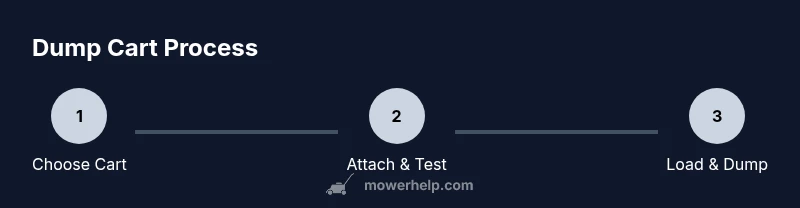
According to Mower Help, a lawn mower dump cart lets you haul grass clippings, soil, mulch, and debris with fewer trips. This quick answer outlines how to choose, attach, and safely use a dump cart with your mower, plus essential maintenance tips. You’ll need a compatible hitch, a cart sized for your yard, and basic safety gear.
Why a Lawn Mower Dump Cart Makes Yard Work Easier
According to Mower Help, a lawn mower dump cart is a simple, effective way to increase your outdoor productivity by transporting bulky yard waste in a single trip instead of multiple back-and-forth walks. Homeowners who add a dump cart often report fewer trips and less back strain when dealing with grass clippings, soil, mulch, or invasive debris. A well-chosen cart also helps keep work areas cleaner and reduces wear on your mower’s engine from overloading or dragging heavy loads. The key is to match the cart to your mower’s hitch, bed capacity, and typical yard tasks. This guide will cover how to select the right model, attach it securely, and operate it safely for common lawn chores.
In practical terms, you’re looking for a balance of durability, ease of use, and compatibility. Materials like steel or reinforced polymer beds can influence longevity and weight, while the dumping mechanism should be smooth and reliable. Reading user reviews and manufacturer specs helps you gauge real-world performance, especially in wet or uneven terrain. As you plan, consider the kinds of debris you’ll haul most often—grass clippings, leaves, soil, mulch, or rock—and choose a cart that can handle that mix without buckling or tipping. This is where a well-made dump cart earns its keep during seasonal yard-work surges.
The Mower Help team found that many homeowners underestimate the importance of a proper hitch setup. A cart that doesn’t align correctly with your mower can cause wobble, wear on hitch pins, and even dangerous detachment while moving. Start by measuring your mower’s hitch type and terminal dimensions, then compare with the cart’s hitch compatibility and mounting hardware. With the right pairing, you’ll experience improved stability, easier dumping, and better overall maneuverability across your lawn, driveway, and garden paths.
note
Tools & Materials
- Lawn mower dump cart(Must be compatible with your mower’s hitch type (pin, clevis, or integrated) and bed size suited to typical loads.)
- Hitch pin or quick-attach clasp(Essential for securing the cart to the mower’s hitch; ensure the pin is the correct diameter for your setup.)
- Protective gloves(Grip and hand protection when loading and dumping debris.)
- Safety glasses(Eye protection in case of kicked debris during dumping or loading.)
- Wheel chocks or bricks(Useful when parking on uneven ground to prevent rolling.)
- Tarps or load covers(Keeps dust down and helps control loose debris during transport.)
- Lubricant spray(Periodically lubricate moving parts of the dumping mechanism and pivot points.)
- Dolly or hand cart (optional)(Helpful for moving the dump cart when not attached to the mower.)
Steps
Estimated time: 60-90 minutes
- 1
Check mower-cart compatibility
Before purchasing or attaching, verify hitch type, bed dimensions, and payload expectations. Read both the mower manual and cart specifications to ensure safe operation. A mismatched hitch can cause instability or detachment during use.
Tip: If in doubt, contact the cart maker for a compatibility chart and double-check ground clearance when the cart is attached. - 2
Plan the load and route
Sort debris by weight and bulk to avoid overloading one side. Map a clear path with level ground, avoiding steep slopes and rough terrain that could destabilize the cart.
Tip: Load heavy items low and centered to keep the center of gravity stable. - 3
Attach the cart to the mower
Align the cart’s hitch with the mower’s hitch receiver, insert the pin or securing clip, and tighten all fasteners according to the manual. Perform a gentle shake to confirm a secure fit before moving.
Tip: Do a quick pull test with the cart attached to ensure nothing loosens during motion. - 4
Test-move with an empty cart
Push or pull the mower-cart a short distance to check stability, steering response, and any hitch play. Address any wobble or binding before loading. This step prevents spills on your first real load.
Tip: If wobble persists, recheck hitch alignment and pin security before proceeding. - 5
Load the cart safely
Place materials evenly to maintain balance and avoid weight on the rear wheels only. Do not exceed the cart’s stated capacity and secure loose items to prevent shifting during dumping.
Tip: Keep loads compact and within the bed walls to prevent items from sticking out. - 6
Operate and dump on level ground
Drive slowly using smooth, consistent throttle. Stop the mower completely on level ground, then tilt or dump the bed. Clear the dumping area of people and pets before releasing debris.
Tip: Never dump while on slopes or uneven surfaces. - 7
Return, inspect, and store
Detach the cart, inspect hitch and bed for wear, clean any mud or debris, and store in a dry place. Lubricate pivot points if recommended by the manufacturer.
Tip: Keep a spare hitch pin handy for quick releases when needed.
Got Questions?
Can I use a lawn mower dump cart with any mower?
Not all mowers are compatible. Check hitch type, bed clearance, and the cart’s mounting hardware. If in doubt, consult the manufacturer’s compatibility chart before purchasing.
Not all mowers work with every cart. Check hitch type and bed clearance before buying.
What should I consider when choosing a dump cart?
Look for hitch compatibility, bed material, dumping mechanism, wheels, and overall durability. Consider the typical loads you haul and the terrain you traverse.
Think about hitch compatibility, durability, and the kinds of loads you usually carry.
Is it safe to dump on slopes or uneven ground?
Dump only on level ground. Slopes can cause tipping or loss of control. If you must dump on a slope, move slowly and use stabilizing supports.
Dump only on flat ground for safety.
How do I maintain a dump cart?
Regularly clean the bed, lubricate moving parts, check hitch pins, and inspect tires for wear. Store in a dry place to prevent rust.
Keep it clean, lubricate joints, and inspect parts routinely.
How much load can a dump cart carry?
Payload varies by model; always follow the manufacturer’s stated limits. Overloading can damage the cart and increase tipping risk.
Follow the stated limits to avoid damage and tipping hazards.
Watch Video
The Essentials
- Choose a dump cart with hitch compatibility and appropriate bed size.
- Attach securely and test with an empty cart before loading.
- Distribute weight evenly to prevent tipping.
- Dump on level ground to ensure safe operation.
- Regular maintenance extends cart life and improves safety.