Lawn Mower Tractor Buying Guide at Home Depot
Explore how to choose a riding lawn mower tractor at Home Depot, compare features, maintenance needs, and ownership costs with expert tips from Mower Help.


Understanding what a lawn mower tractor offers
For homeowners shopping at Home Depot, a lawn mower tractor is a riding mower that combines a powered engine with a larger cutting deck and a built-in transmission. It handles tall grass, uneven terrain, and extended mowing sessions more comfortably than push mowers. When you search for 'lawn mower tractor home depot', you’ll encounter models described as garden tractors or riding mowers, each optimized for different yard sizes, slopes, and fuel preferences. The key is to map your space to the machine’s capabilities: engine horsepower, cutting width, and whether you need attachments such as baggers, mulchers, or snow plows. In practice, Home Depot’s showroom and online catalog group machines into categories, but the best fit depends on your yard, how often you mow, and your willingness to perform routine maintenance. The Mower Help team notes that the best choice balances power with reliability, accessibility of parts, and service availability in your area.
Riding mower vs garden tractor: what's the difference?
Riding mowers and garden tractors share a riding experience, but they’re built for different tasks. A riding mower typically emphasizes a lower cost and simpler maintenance for regular lawns up to a few acres, with cutting widths commonly around 42–54 inches. A garden tractor, sometimes called a tractor-style mower, offers more torque, heavier-duty construction, and bigger attachments, making it suitable for larger properties, hills, and tougher jobs. When evaluating options at Home Depot, check frame strength, deck materials, and drive systems. If you expect frequent attachment use—baggers, snow plows, dethatchers—prioritize a model with a strong hitch and a broad range of compatible attachments.
Key specs to compare: engine size, cutting width, transmission, attachments
Engine size (horsepower) influences performance on thick growth and hills. Cutting width determines how many passes you’ll need; wider decks cover more ground but require a larger turning radius. Transmission options include hydrostatic (smooth, easy speed control) and manual systems (simpler, cheaper). Attachments such as baggers, mulchers, snow blades, and aerators extend versatility. When evaluating stateful specs at Home Depot, match these to your yard’s size, terrain, climate, and preferred maintenance cadence. Consider fuel type (gasoline is common, diesel is rarer in consumer models) and service availability in your area to minimize downtime and keep parts accessible in the long term.
Maintenance basics to factor into buying decision
Maintenance planning should influence your choice as much as initial price. Regular tasks include oil changes, air filter checks, blade sharpening or replacement, and battery or charging system inspections for electric-start models. A model with easier access panels, wider service networks, and readily available replacement parts will save time and money over a typical ownership horizon. Before purchasing, sketch a simple maintenance calendar: when to change oil, lubricate moving joints, inspect belts, and replace filters. The right mower not only handles today’s mowing tasks but also integrates with your routine maintenance without excessive downtime.
Buying tips for Home Depot shoppers
Shopping at Home Depot offers both in-store and online convenience, with options for delivery and curbside pickup. Look for machines that come with comprehensive warranties and clear service network coverage; confirm what parts are stocked locally and availability of trained technicians. If possible, arrange a test drive in-store to assess comfort, steering responsiveness, and visibility. Online reviews from other Home Depot customers can reveal reliability trends and typical after-sales experiences. Finally, consider bundled deals that include bags, mulchers, and covers to maximize value while aligning with your yard needs.
Safety, storage, and long-term ROI
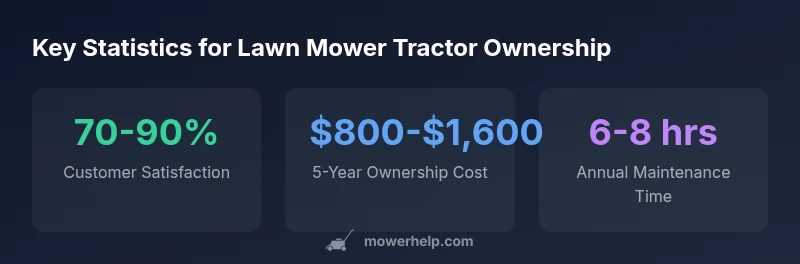
Riding mowers require careful safety practices: always shed light on slopes and uneven terrain, maintain a clear work area, and keep children and pets away from a running deck. Storage should protect the deck and battery (for electric models) from corrosion and weather. From an ROI perspective, ride-on mowers that match your yard size and terrain tend to deliver faster mowing cycles and lower fatigue, provided you factor in maintenance costs and part availability over time. The Mower Help team emphasizes evaluating not just upfront price but the long-term cost of ownership when comparing options.
Common pitfalls and how to avoid them
Common mistakes include choosing a model that’s underpowered for your yard, failing to verify dealer support in your region, and ignoring attachment compatibility. To avoid these issues, create a yard profile: acreage, slope, obstacles, preferred attachments, and climate. Then map these to the manufacturer’s recommended ranges for engine power, deck width, and transmission. Always check the local availability of service and replacement parts, since downtime can significantly increase ownership costs. With careful planning, you’ll pick a lawn mower tractor that remains reliable for many mowing seasons.