Lawn Mower Value Calculator: Estimate Your Mower Worth
Estimate current resale value with the lawn mower value calculator. Learn how age, lifespan, and depreciation shape offers, trade-ins, and upgrades for smarter selling decisions.


What is a lawn mower value calculator and why it matters
A lawn mower value calculator is a practical tool that translates a mower’s price history, current age, and projected lifespan into a realistic resale value. For homeowners and DIY enthusiasts, understanding a mower’s worth helps set fair asks, compare offers, and plan upgrades. The term lawn mower value calculator is a keyword many buyers and sellers search when preparing for a sale or trade-in. By using this calculator, you gain a clear, data-driven baseline rather than relying on guesswork. This is especially valuable in markets with fluctuations in demand for used mowers and where small differences in price can influence negotiations. Throughout this article, we’ll explore how to use the tool effectively, the assumptions behind it, and how to interpret its results in real-world scenarios.
How the calculator works: inputs, data, and outputs
The calculator focuses on three core inputs: Purchase Price, Current Age, and Expected Lifespan. It uses a straightforward depreciation model to estimate current value as a percentage of the original price, rounded to two decimals for readability. The formula resembles: currentValue = round(purchasePrice * max(0, (lifespanYears - ageYears) / lifespanYears), 2). This keeps the math approachable while remaining accurate enough for quick decisions. Outputs provide a currency value you can quote to buyers or use in a trade-in discussion. Remember that the model assumes linear depreciation and does not account for rare blemishes, upgrades, or market spikes. You can adjust inputs to reflect your mower’s exact condition, accessories, and local demand, which will shift the result accordingly.
Key depreciation factors: age, lifespan, and condition
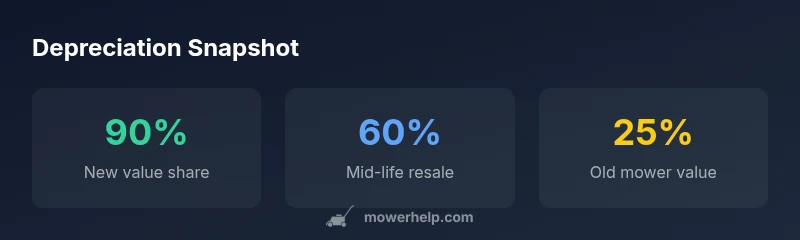
The main levers for value are age, expected lifespan, and condition. A newer mower with minimal wear commands a higher fraction of its original price. In contrast, a mower well beyond its mid-life point or with visible issues will fetch less. The calculator helps you visualize how increasing age or shortening the remaining lifespan reduces resale potential. It’s also useful to include maintenance records, recent repairs, and included accessories to paint a fuller picture of value. Always consider local demand—some models or brands retain value better in your area.
How to choose reliable inputs and what assumptions you should make
Be honest about the current age and remaining lifespan when inputting numbers. For example, if your mower has been well-maintained and stored properly, you might justify a higher value than a similar-aged unit with poor maintenance. When in doubt, adjust your inputs incrementally and compare results. The calculator is a guide, not a guarantee; use it as a starting point for negotiations and to frame your selling strategy.
Interpreting the results: what the numbers mean for selling, trading in, or upgrading
The output value helps you set a realistic asking price, compare offers, or decide whether to trade in or upgrade. If the calculated value is close to your target price, you’re in a good position to negotiate. If not, look at ways to improve value, such as thorough cleaning, replacing worn blades, or including a service history report. Always cross-check with local listings to ensure your price aligns with current market expectations.
Practical workflow: how to use the calculator in a sale conversation
- Prepare the inputs based on your mower’s actual price, age, and lifespan. 2) Generate a value estimate and set a price range. 3) Use the result to justify your asking price with notes about condition and maintenance. 4) Share supporting details like receipts and photos to reinforce credibility. 5) If a buyer counters strongly, revisit inputs (age, lifespan) and recalculate to reframe the discussion.
Data behind the calculator: standards and limitations
The calculator uses a transparent, rule-based approach suitable for general budgeting and selling decisions. It does not pull live market data, which means it cannot capture sudden price spikes or drops caused by supply shortages, brand shifts, or regional demand. Treat the result as a well-reasoned estimate and corroborate with local listings, trade-in programs, and conversations with buyers. This ensures you set expectations accurately and avoid disappointment.
Common mistakes and how to avoid them
- Overestimating value by ignoring condition: be objective about cosmetic and mechanical issues. - Ignoring seasonality: spring and early summer often see higher demand. - Using too many accessories as a selling point without verifying practicality: buyers care about real value, not extras they won’t use. - Relying on a single number: present a price range and justify with input details and market context.