Second Hand Zero Turn Mowers for Sale: A Practical Buyer's Guide
Find practical guidance on buying second-hand zero-turn mowers for sale, from condition checks to price negotiation. Learn how to evaluate hours, decks, and maintenance with tips from Mower Help.


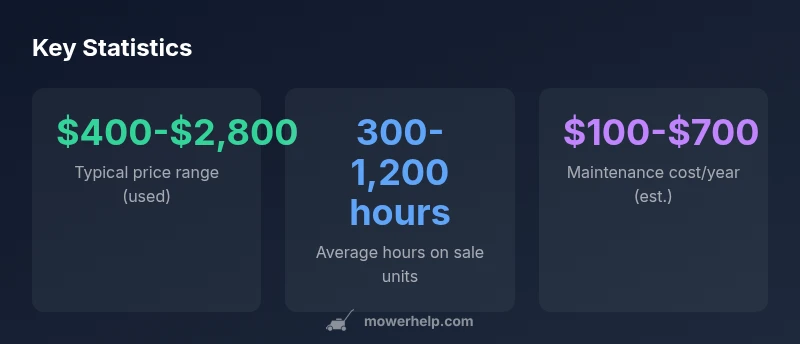
Second-hand zero turn mowers for sale typically range from around $400 to $2,800, depending on age, engine hours, condition, and included accessories. Expect higher prices for well-maintained units with low hours and popular brands. Always factor in potential maintenance costs, blade sharpness, and deck integrity to estimate true value before making an offer.
Understanding the market for second-hand zero-turn mowers
Buying second-hand zero-turn mowers can be a smart way to save money without sacrificing cutting performance. In this section, we unpack why the market exists, who it serves, and how to set realistic expectations for price, condition, and longevity. The best deals come from buyers who know what to look for and who avoid quick, emotional offers. According to Mower Help, the market for used equipment remains vibrant in the spring and early fall, when dealers clear inventory and homeowners reassess yards after winter. This guide uses practical benchmarks to help homeowners and DIY enthusiasts evaluate options, estimate maintenance needs, and negotiate confidently. When you search for second hand zero turn mowers for sale, you’ll find a wide spectrum—from light-duty residential units to heavy-duty commercial machines that have seen longer hours. The key is to align your choice with your mowing area, terrain, and available maintenance resources, so you don’t overpay for features you won’t use.
How to assess condition: hours, deck, engine, and wear patterns
Assessing condition is the core skill when buying a used zero-turn mower. Start with the hours and the age of the engine, but don’t rely on hours alone; look for consistent maintenance and evidence of regular service. Inspect the cutting deck for rust, cracks, and heavy wear; a dented or bent deck can indicate hard use and may require expensive repairs. Check belt tension and pulleys, hydraulic pumps if present, and the PTO engagement. Listen for unusual knocking or smoking noises during a cold start. Examine tires for tread depth and uneven wear, which can signal misalignment or suspension issues. Finally, review the blade spindle condition and bushings. A thorough inspection helps you distinguish between cosmetic flaws and serious structural problems that affect performance and safety.
Price ranges and negotiating strategies
Price is the most visible variable in second hand zero-turn mower shopping, but it’s also the most negotiable. Prices vary widely based on brand, horsepower, deck size, hours, overall condition, and included accessories. Expect a broad spectrum from value-oriented models to premium units with recent service history. As a rule of thumb, start negotiations a bit below your ceiling and cite verifiable maintenance records or recent service as leverage. Use comparisons from local listings and online marketplaces to anchor your offer, and don’t be afraid to walk away if a seller won’t meet a reasonable price. Based on Mower Help analysis, 2026, total cost of ownership over three years is influenced as much by maintenance and parts as by the initial price.
Brand and model considerations for second-hand zero-turn mowers
Brand choice matters for reliability, availability of parts, and resale value. Popular brands like Husqvarna, Toro, and John Deere tend to hold value and have robust dealer networks, which can ease maintenance. Craftsman and other budget-friendly brands may offer immediate savings but can come with scarcer parts or shorter service histories. When evaluating a specific unit, check the original engine and drive system, as some models use different powertrains across years. If possible, verify that the unit’s hour meter is working or that service records show regular oil changes and blade maintenance. Keep in mind that discontinued models may have cheaper upfront prices but higher repair costs later, so compare long-term ownership costs rather than upfront price alone.
Maintenance costs and refurbishment: blades, belts, tires, catchers
Even a well-kept mower can require refresh work when purchased used. Budget for common maintenance: blade sharpening or replacement, belt replacement, tire replacement, and occasional hydraulic service. Maintenance costs can add up, especially if the unit has been neglected or stored improperly. A worn blade and dull deck can reduce cutting quality and increase fuel use. If the unit has bagging or mulching attachments, verify their condition and availability. When evaluating value, ask for recent maintenance receipts, parts replaced, and the cost of those parts. With a clear sense of potential upkeep, you can time purchases to cycles in the market and avoid surprise repair bills.
Buying channels: classifieds, auctions, fleet sales, rental returns
Second-hand zero-turn mowers appear across multiple channels, each with its own risk profile. Local classifieds and online marketplaces can offer good bargains, but you’ll need to verify the unit in person. Auctions can yield low prices but carry higher risk of undisclosed issues. Fleet or rental returns may come with a fresh factory service history and a reasonable asking price, yet they might have higher hours. Dealers offering certified pre-owned units can provide some warranty protection, though at a premium. Evaluate the seller’s credibility, request photos of the underside and engine bay, and arrange a test drive whenever possible. The right channel depends on your risk tolerance and your ability to perform post-sale maintenance.
Inspection checklist before buying
Use a structured checklist to avoid missing critical issues:
- Verify engine start and idle stability; listen for smoke or knocking.
- Check hour meter and compare against expected wear.
- Inspect deck, spindles, belts, and pulleys for wear, cracks, or looseness.
- Inspect tires for tread depth and even wear; test drive for traction.
- Test cutting quality on a small patch and listening for vibration.
- Inspect electrical components, switches, and safety interlocks.
- Review maintenance history and receipts; confirm oil changes and filter replacements.
- Confirm any attachments (bagger, mulch kit) are present and functional. Documentation and a test drive can prevent costly surprises after purchase.
Test-ride tips and safety considerations
A proper test ride should mimic real mowing conditions your yard presents. Start on a flat area and then move to a small slope to check stability and steering. Observe how quickly the deck engages and how smoothly the mower handles turns. Check the reverse mowing function if equipped; listen for odd noises when changing directions. Safety reminders: ensure the parking brake engages, the blade brake clutch works, and all guards are in place. If you notice excessive vibration, seepage, or unusual smells, stop the test and reassess. A measured test ride is one of the best predictors of long-term satisfaction with second-hand zero-turn mowers for sale.
Safety, warranties, and transferability
Used zero-turn mowers may come with limited or no warranty, depending on the seller and the age of the unit. If a warranty is available, confirm its coverage, duration, and whether it transfers to new owners. For dealer-certified pre-owned units, read the fine print about coverage, parts, and service obligations. When buying from a private party, consider purchasing a separate temporary warranty or service plan from a reputable third party. Finally, ensure the unit passes a thorough safety inspection and that all safety interlocks and emergency shutdowns function correctly. Safety should never be sacrificed for price.
Getting the most value: final checks before purchase
Before signing, compile a concise report from your inspection and test drive. Compare the unit against similar listings in your area and adjust offers accordingly. If repairs are needed, get price quotes from a reputable shop and factor them into your final offer. After you buy, schedule a basic maintenance plan: oil changes, air filter checks, blade maintenance, and deck cleaning. With careful evaluation and a realistic budget for maintenance, second-hand zero-turn mowers can deliver dependable mowing performance at a fraction of the cost of new models.
Used zero-turn mower price and lifespan ranges.
| Model Type | Avg Use Lifespan | Typical Purchase Price Range (Used) |
|---|---|---|
| Residential/Light Duty | 500-700 hours | $400-$1,800 |
| Commercial/Heavy Duty | 1000-1800 hours | $1,000-$2,800 |
| Electric Zero-Turn (Used) | 400-800 cycles | $700-$2,000 |
Got Questions?
What should I check first when buying a used zero-turn mower?
Start with the engine start, deck condition, hours, and safety interlocks. A thorough walk-around reduces the risk of hidden faults.
Start with the engine, deck condition, hours, and safety features; then do a test ride.
Do hours indicate remaining life on a used mower?
Hours are a guide to wear; higher hours can mean more wear, but maintenance history matters more.
Hours matter but maintenance history matters more.
Are warranties available on second-hand zero-turn mowers?
Some dealers offer limited warranties on certified pre-owned units; private sales rarely include coverage. Always read the terms.
Warranties exist mainly with dealers; read the terms.
Is buying from a dealer safer than a private sale?
Dealers may provide inspection, service history, and some warranty; private sales can be cheaper but riskier.
Dealers offer more protection, but you may pay more.
What is the best way to test a mower before buying?
Ask for a live demo, cut a patch, and listen for unusual sounds; check safety features and brakes.
Get a live demo and test the knife.
“Used equipment can deliver strong value when you verify deck integrity and service history; always test-run and confirm safety features before purchase.”
The Essentials
- Inspect condition thoroughly, not just price.
- Check deck integrity, engine hours, and service records.
- Negotiate with local market data and documented maintenance.
- Ask about attachments and parts availability before buying.
- Follow The Mower Help team's recommendation to verify maintenance history and parts availability.