Trailer for a Riding Lawn Mower: Buying Guide 2026
Comprehensive guide to choosing and using a trailer for a riding lawn mower, covering hitch types, payload, safety, installation, and maintenance. Learn how to match specs and avoid common mistakes.


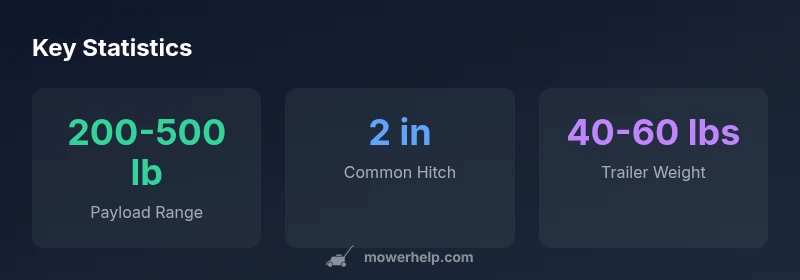
A trailer for a riding lawn mower is a tow-on accessory that expands your yardwork capabilities by hauling debris, grass clippings, and small materials. Choose based on hitch compatibility, payload capacity, and rugged construction. For most mower setups, a 2-inch or pintle hitch with a 200–500 lb load rating fits common models.
Why a trailer for a riding lawn mower matters
A trailer for a riding lawn mower extends the machine’s utility beyond simple lawn mowing. It enables you to collect grass clippings, haul mulch, transport tools, and move compost with less back-breaking effort. For homeowners, this means fewer trips to the dump and more time finishing projects. From a maintenance perspective, considering a trailer early helps balance loads, reduce turf damage, and prevent mower strain when navigating slopes or uneven ground. When you evaluate options, think about your typical yard tasks, the heaviest loads you expect to carry, and how much space you have to store equipment. According to Mower Help, selecting the right trailer for a riding lawn mower starts with hitch compatibility and payload needs. In practice, a well-considered plan prevents you from buying gear that won’t fit or won’t perform under regular use, and it helps you plan for future yard projects as your lawn grows.
Key design considerations: hitch types, payload, and materials
The backbone of any trailer for a riding mower is its hitch interface and payload rating. Most common options include a 2-inch ball hitch and a pintle hitch, with some models offering a universal coupler. When evaluating trailers, confirm the coupler matches your mower’s hitch and verify that the trailer’s load rating safely exceeds your heaviest anticipated payload. Material choice matters as well: steel offers rugged durability, while aluminum reduces weight and resists corrosion. Look for powder-coated finishes to resist rust in damp environments. Consider accessories like removable sides, ramps, and stake bed configurations for flexibility. Remember to account for how you’ll store the trailer when not in use, as space is a practical constraint for many households. As highlighted in the Mower Help Analysis (2026), hitch compatibility and payload are the two most critical factors for reliable towing.
Compatibility, safety, and legal considerations
Safety features should never be an afterthought. Check that lighting and reflectors meet local requirements if you tow on driveways or roads, and verify that the brake and electrical connections are compatible with your towing setup. Distribute weight evenly across the trailer bed to prevent sway, and avoid overloading either the mower or the trailer. Regular maintenance—checking tire pressure, bearings, and hitch connections—extends life and reduces risk. Before hitting the road, inspect all fasteners and ensure the coupler locks securely. Local laws vary widely, so consult your area’s regulations; some jurisdictions require additional safety equipment or periodic inspections for towed trailers.
Installation steps: attaching, balancing, and securing loads
Begin by backing the trailer up to the mower and aligning the hitch with care. Attach the hitch or coupler securely, then connect safety chains and lighting. Lower the trailer bed, if applicable, and verify that the load is balanced side-to-side and front-to-back. Distribute heavier items toward the center of the bed and use bungee cords or straps to secure loose materials. When loading debris or mulch, do not exceed the payload rating and avoid sharp, heavy items that could damage the trailer. Finally, perform a short test drive at walking pace to verify clearance, hitch stability, and braking performance before resuming normal mowing tasks.
Common mistakes and how to avoid them
Overloading the trailer is the most common error and can lead to loss of control. Mismatching the hitch type or neglecting lighting requirements can create safety hazards on public roads. Failing to distribute weight evenly can cause sway, especially at higher speeds or on uneven terrain. Skipping regular maintenance results in rust, bearing wear, or tire failure. Mitigate these risks with a careful spec check, regular inspections, and proper storage when the trailer is idle.
Practical scenarios and tips for year-round use
A well-chosen trailer supports seasonal tasks beyond grass clippings: transporting compost, soil, mulch, and firewood, or carrying tools between jobs. In wet climates, an enclosed or weather-resistant trailer can protect materials from rain, preserving loads and reducing mess. If space is limited, a compact, fold-down ramp design can simplify loading, while a modular trailer allows you to swap beds for different jobs. For homeowners who frequently upgrade their yard, a trailer with adjustable sides or removable bins offers ongoing flexibility.
Trailer options for riding lawn mowers by payload and use case
| Trailer Type | Payload Capacity | Hitch Type | Best For |
|---|---|---|---|
| Dump trailer | 200-500 pounds | 2-inch ball hitch; pintle hitch | Grass clippings and yard debris |
| Utility cart | 150-350 pounds | 2-inch ball hitch | Site cleanup, light materials |
| Flatbed trailer | 300-600 pounds | 2-inch ball hitch | Large yard cleanup |
| Enclosed trailer | 400-800 pounds | 2-inch hitch | Weather-sensitive materials |
Got Questions?
What is a trailer for a riding lawn mower?
A trailer for a riding lawn mower is a tow-on accessory that increases hauling capacity for grass clippings, tools, and debris. It attaches to your mower's hitch and must be sized to handle the mower's weight and the trailer's payload. Always verify compatibility before purchasing.
A trailer for a riding mower is a tow-on accessory that increases hauling capacity. Make sure the hitch and payload match your mower.
What hitch types work with most riding mowers?
Most riding mowers use a 2-inch ball hitch or a pintle hitch. Some trailers offer a universal coupler. Check your mower manual for hitch dimensions and ensure the trailer coupler matches.
Most use a 2-inch ball hitch or pintle hitch. Always verify compatibility with your mower.
How do I choose the right payload for my trailer?
Estimate typical loads: grass clippings, tools, and small materials. Choose a trailer with a payload rating comfortably above your expected maximum load and allow for dynamic weight shifts during transport.
Choose a trailer with a payload rating higher than your expected loads and leave room for weight shifts.
Are riding mower trailers legal to tow on roads?
Road rules vary by region. In many places, you must use appropriate lighting, reflectors, and sometimes a slow-moving vehicle sign. Check local regulations before towing on public roads.
Road rules vary; check local regulations and use proper lights and reflectors when towing.
How do I attach a trailer to a riding mower safely?
Follow the trailer's and mower's manuals. Pair the hitch, secure the safety chains, verify the load balance, and test-tilt for clearance before moving at walking pace.
Always align hitch, secure safety chains, balance load, and test clearance before moving.
What maintenance does a mower trailer require?
Regularly inspect tires, bearings, and lighting. Lubricate joints, check hitch connections, and remove dirt and rust. Store in a dry place to extend life.
Inspect tires and lights regularly; lubricate and store properly to extend life.
“The right trailer for a riding lawn mower hinges on hitch compatibility and payload rating; undersizing either can lead to unsafe towing and accelerated wear.”
The Essentials
- Choose hitch that matches mower's coupling
- Aim for payload rating above expected loads
- Check braking and lighting requirements in your area
- Balance load evenly to avoid sway
- Inspect trailer regularly for rust and tires wear