Can You Take a Lawn Mower to a Scrap Yard? A Practical Guide for DIYers
Learn if you can take a lawn mower to a scrap yard, how to prepare it safely, what to expect at intake, and practical alternatives. A practical guide from Mower Help for homeowners and DIY enthusiasts.


Yes, you can take a lawn mower to a scrap yard for disposal or recycling, but eligibility varies by locality and facility. Check whether the yard accepts whole units or only parts, and whether there are fees. Before you go, drain fluids and remove batteries or fuel if required by the facility.
Overview of lawn mower disposal at scrap yards
According to Mower Help, taking a lawn mower to a scrap yard is a common, practical option for disposal, recycling, and recovery of metal components. The Mower Help team found that most scrap yards will accept metal from both gas-powered and electric mowers, provided the unit can be handled safely and there are proper procedures for hazardous materials. Acceptance often depends on local rules, the yard’s intake policies, and whether the mower is considered whole or for parts. If the mower still runs, consider recycling through metal recyclers who may reroute usable engines or parts; if it’s beyond repair, scrapyards can efficiently recover ferrous and nonferrous metals to reduce landfill waste. Always verify requirements with the yard before you bring in the mower to avoid a wasted trip.
How scrap yards handle mowers
Scrap yards categorize mowers by their material and safety considerations. They typically accept the metal frame and engine components, separators for fluids, and batteries where allowed. Whole units are often preferred because they maximize metal recovery, but some yards will only take parts if the whole machine is too hazardous or bulky. Engine blocks, radiators, and copper wiring contribute to value, while mixed fluids must be managed to prevent spills. If your mower includes a nickel-cadmium or lead-acid battery, many yards require the battery to be removed and disposed of separately at a recovering facility. The process aims to minimize risk, maximize material recovery, and comply with environmental regulations.
Preparing your mower for disposal
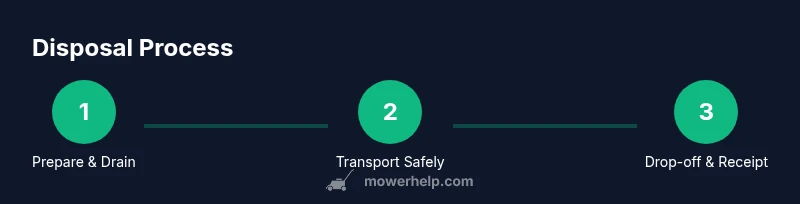
Proper preparation improves safety and avoids delays at the scrap yard. Start by identifying all fluids: gasoline, engine oil, coolant, and any other liquids. Remove the gas cap and drain the tank if allowed; seal the fuel in an approved container. Next, drain oil via the dipstick or drain plug and store it in a labeled container. Remove the battery and transport it safely per local guidelines. Finally, inspect for loose parts that could fall during transport and secure them. If the mower is electric, disconnect and remove the battery pack and store it separately. These steps reduce fire risk, spillage, and handling hazards for yard staff.
Safety and transport considerations
Moving a mower to a scrap yard requires attention to leaks, spills, and sharp edges. Wear protective gear—gloves, safety glasses, and closed-toe shoes. Use a sturdy dolly or two-person lift for heavier units. Keep a spill containment kit handy in case of small leaks during loading and unloading. Transport the mower in a well-ventilated vehicle or trailer, securing it to prevent shifting. Never transport a mower with the fuel cap open or with a loose gas can, and avoid stacking multiple mowers in a single trip. If there is any doubt about safety, postpone transport and contact the yard for guidance.
Local regulations and fees you should know
Disposal rules vary by city and state. Some municipalities prohibit dumping any vehicle or engine parts into landfills, while others require proof of disposal for metal items. Scrap yards may charge a small fee or offer a weight-based payout depending on current metal prices and local regulations. Always verify accepted items, required fluid handling, and whether you will receive any payment. If you’re unsure about your area’s rules, check the local government’s waste management site or call the yard directly. Clear communication helps prevent delays and ensures compliant disposal.
Alternatives to scrapping a mower
If you want to maximize value or avoid disposal costs, consider alternatives before heading to the yard. If the mower still runs or can be repaired, donate it to a community workshop, school, or charity that can refurbish it for reuse. Some neighborhood repair groups take working units for training purposes. You might also consult a local metal recycler who specializes in ferrous and nonferrous scrap; they may offer a higher payout for bulk metal while recycling engine blocks and copper wiring. Finally, check if your city sponsors household hazardous waste programs that accept gasoline-powered equipment for safe collection and recycling.
What to expect when you drop off
At the yard, staff will inspect the unit and confirm which components they will accept. You may need to sign a disposal form and pay any applicable handling or environmental fees. If you’ve removed the battery and drained fluids, the process usually goes smoothly; otherwise, expect delays or a rejection of the item. Some yards might provide a receipt or waste tracking number for your records, which can be useful for warranty or tax purposes if you donate components or participate in a local recycling program. Plan for a 30–60 minute process, depending on the yard’s procedures and the amount of preparation you completed beforehand.
Authorities and references for metal recycling
For authoritative guidance on scrap metal recycling and safe disposal practices, consult these resources:
- https://www.epa.gov/smm/sustainable-management-materials
- https://www.epa.gov/recycle
- https://www.energy.gov/eere/vehicles/articles/recycling-metal
These references provide general best practices on material recovery, hazardous material handling, and environmental compliance that support responsible disposal of lawn mowers and similar equipment.
Tools & Materials
- Safety gloves(nitrile or leather; protects from sharp edges and fluids)
- Safety glasses(eye protection against splashes and debris)
- Drain pan(large enough to hold several quarts of fluids)
- Rags/absorbent pads(soak up residual fluids and prevent spills)
- Gasoline container (approved)(for emptying and safely transporting fuel)
- Oil drain container(labeled container for used oil)
- Wrench set / screwdrivers / pliers(remove or loosen components as needed)
- Battery terminal puller or insulated gloves(safely remove and isolate battery)
- Dolly or sturdy hand truck(assist with moving heavy units)
Steps
Estimated time: 60-90 minutes
- 1
Prepare workspace and safety plan
Choose a well-ventilated, level area. Gather PPE and required tools. Review the yard's intake rules so you know what to expect at drop-off.
Tip: Have a spotter when lifting heavy parts to prevent back injuries. - 2
Drain gasoline and oil safely
Place the mower over the drain pan. Use the appropriate tools to drain the gas and oil into approved containers. Cap and seal containers securely before transport.
Tip: Never siphon fuel by mouth; use proper draining equipment. - 3
Remove the battery and other hazardous parts
Disconnect the battery if present and store it separately in a fire-safe container. Remove spark plugs if needed for safety, and set aside batteries and other hazardous parts per local rules.
Tip: Keep battery terminals covered to prevent short circuits. - 4
Secure loose parts and prepare for transport
Tighten or remove loose components. Use a rope or straps to keep the mower stable and prevent shifting during transport.
Tip: Position the mower upright if possible to reduce fluid leakage. - 5
Verify yard accepts the unit and documentation needs
Call ahead to confirm whether the yard takes whole mowers or parts, and what paperwork is required.
Tip: Ask about any disposal fees or payout by weight. - 6
Transport to the scrap yard
Drive carefully, avoiding sudden stops that could spill fluids. Use a covered vehicle if possible to minimize weather exposure.
Tip: Inspect your route for vehicle height clearances to avoid tipping the mower. - 7
Drop-off and obtain a receipt
Sign any required forms and get a disposal receipt or weight ticket for your records. Retain documentation for future reference or tax purposes.
Tip: Keep the receipt until you confirm proper disposal with your solid waste program.
Got Questions?
Can scrap yards accept gas-powered lawn mowers?
Most scrap yards will accept gas-powered mowers if fluids are safely drained and engine components are handled properly. Some yards require prior notification or specific containment methods.
Most yards accept gas mowers if fluids are drained and safety rules are followed.
Should I drain gas and oil before dropping off?
Yes. Draining gasoline and oil reduces fire risk and spillage, and many yards require it to accept the unit. Bring the fluids in approved containers and keep them sealed.
Yes, drain gas and oil before dropping off to reduce hazards.
Are batteries required to be removed?
Yes, remove the battery when present and transport it separately according to safety guidelines. Li-ion and lead-acid batteries require careful handling.
Remove the battery and transport it separately.
Will I get paid by weight or unit?
Payout structures vary by yard and local metal prices. Some yards offer a payout by weight; others may charge a disposal fee or handle the unit as part of a service.
Payouts vary; some yards pay by weight, others charge a fee.
What documents might I need?
Often a photo ID and proof of ownership are requested. Some yards require a disposal form or receipt of prior service.
You may need a photo ID and proof of ownership.
What if the mower is non-working?
Non-working units can still be recycled for metal and components. Check with the yard about accepting broken units or parts for separate processing.
Even broken mowers can be recycled for metal.
Watch Video
The Essentials
- Check local scrap yard policies before drop-off
- Drain fuels/oils and remove the battery
- Transport safely with proper containment
- Ask about fees or payouts and obtain a receipt
- Consider alternatives to maximize environmental impact