Lawn Mower Battery Guide: Pick, Replace, Maintain
Learn how to choose, replace, and maintain a battery for your lawn mower. This guide covers voltage, capacity, chemistry, charging practices, and safety to keep your mower ready for every season.


You will learn how to pick and replace a lawn mower battery, compare common chemistries, and extend battery life. Key steps include verifying voltage and form factor, selecting a compatible capacity, practicing proper charging, and safe handling. This guide helps homeowners choose confidently and keep their mower ready to mow.
Why Battery Choice Impacts Performance and Longevity
According to Mower Help, the battery type and capacity determine how quickly your mower starts, how long it will run on a single charge, and how often you’ll need to recharge. If you choose a battery with the wrong voltage, wrong terminal layout, or insufficient capacity, you’ll notice weak starting power, shorter cutting sessions, and more frequent maintenance. The goal is to match the battery to your mower’s electrical system, your typical mowing workload, and your climate. A well-chosen battery reduces downtime and helps you complete yard work more efficiently. When homeowners think about a mower battery, they should consider the electrical requirements printed on the mower’s label, the physical fit of the battery tray, and the expected life cycle under local weather conditions.
In practical terms, a compatible battery means fewer surprises at the start of the season. It also means your charger and charging routine will work as designed, protecting both the battery and the mower electronics. For homeowners, this translates into fewer dead batteries, less time spent on troubleshooting, and more time enjoying a well-mowed lawn. A careful choice now pays dividends over several mowing seasons.
Types of Batteries for Lawn Mowers and How They Differ
Lawn mower batteries fall mainly into a few chemistry families: flooded lead-acid (FLA), sealed lead-acid (SLA) including AGM, and lithium-ion. Lead-acid options are common, affordable, and durable when kept charged, but they are heavier and slower to recover from deep discharge. AGM batteries are a popular SLA variant that resists spills and tolerates vibration—helpful for mowers with rough terrain. Lithium-ion batteries are lighter and provide excellent energy density and rapid charging, but they typically cost more and require a compatible charging system.
Choosing between these chemistries depends on weight, upfront cost, and expected charging behavior. In milder climates, AGM can offer excellent performance with moderate weight, while lithium-ion can be appealing for riders or compact mowers where weight reduction matters. It’s essential to confirm the mower’s compatibility with a given chemistry before purchasing. The right choice improves starting performance, run-time, and overall reliability, while the wrong match can shorten battery life and raise maintenance costs.
Key Specifications to Compare (Voltage, Capacity, C‑Rate, Chemistry)
The most critical specifications when evaluating a mower battery are voltage, capacity (Ah), and chemistry. Voltage must match what the mower requires—most small walk-behind mowers use 12V systems, but some specialty models may differ. Capacity, measured in amp-hours (Ah), indicates how long the mower can run before a recharge is needed; higher Ah usually means more runtime but a heavier battery and higher upfront cost. Chemistry determines charging behavior and robustness in temperature extremes: lead-acid variants are robust and forgiving, while lithium-ion offers lighter weight and faster charging.
When comparing batteries, also consider terminal type and mounting: some mowers require side-mound posts, others use top-posts or different connector spacing. Temperature sensitivity matters too; in extreme heat or cold, some chemistries perform better than others. If you routinely mow on steep slopes or in shaded areas with heavy grass, aim for a higher Ah rating and a battery with good cold-cranking performance. Finally, check the warranty and availability of replacement cells or support from the manufacturer. This practical approach helps you avoid misfits that can make replacement costly or impractical.
Step-By-Step: How to Choose the Right Battery for Your Mower
-
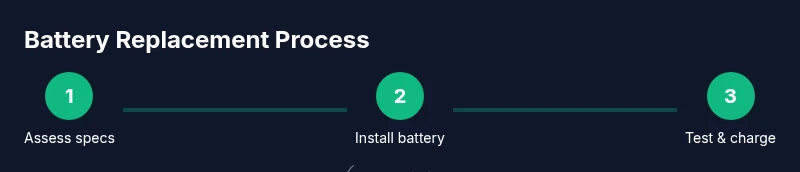
Confirm voltage and physical fit: Read the mower label or owner's manual to verify the required voltage and the battery tray dimensions. If you cannot measure precisely, contact the manufacturer or a trusted parts supplier. The goal is to ensure the replacement battery physically fits the tray and connects to the correct terminals.
-
Select chemistry based on priorities: If weight and rapid charging matter most, consider lithium-ion with a compatible charging system. If budget and rugged reliability under varying temperatures are priorities, AGM or standard lead-acid may be a better fit. Always confirm compatibility with the mower’s charging circuit and the charger you already own or plan to buy.
-
Match capacity to mowing needs: Estimate how long you typically mow on a single charge. Choose a higher Ah battery if you mow large lawns or frequently cut tall grass. Be mindful that higher Ah models are heavier and more expensive, so balance runtime with weight and budget.
-
Check terminals and mounting: Ensure the replacement battery uses the same terminal layout and that the mounting hardware will secure the battery in place. Some models require extra straps or trays—plan for these during purchase or installation.
-
Consider warranty and service support: Look for batteries with a strong warranty and easy access to replacements or service centers. This reduces total cost of ownership if the battery fails prematurely.
-
Prepare the charger and aftercare: Verify that your charger supports the chosen chemistry and that you have a safe, sheltered charging location. Plan to charge after mowing sessions when possible to maximize life, and avoid deep discharges.
-
Document the change: Record the battery model, purchase date, and expected life in a maintenance log. This helps future maintenance planning and ensures you know when to replace again.
-
Install with care and test: After installation, test the mower to ensure it starts reliably and runs smoothly before putting it back into service. If any issue arises, double-check connections and consult the manual.
In all cases, follow the mower manufacturer’s guidelines for safety and disposal of old batteries. A properly chosen battery improves reliability, reduces downtime, and makes seasonal maintenance far more predictable.
Maintaining Your Battery to Extend Life
Active maintenance dramatically extends the life of a lawn mower battery. Start with charging habits: avoid letting the battery sit in a deeply discharged state for extended periods. If you don’t use the mower for several weeks, give it a full charge and store it in a cool, dry place. Keep terminals and connectors clean; corrosion can increase resistance and reduce performance. Periodically inspect the battery tray for signs of wear, movement, or heat-induced damage. Any loose cables or frayed wires should be addressed immediately, as they can create a fire hazard or cause intermittent starting problems.
Temperature also plays a role. In extreme heat, some chemistries degrade faster, while in cold weather, performance drops can occur. If you live in a climate with harsh winters, consider a battery with good low-temperature performance and store the mower in a garage or shed. Finally, use a good-quality charger designed for your battery’s chemistry; this prevents harmful charging rates and helps preserve both the battery and the mower’s electronics.
Troubleshooting Common Battery Issues
When a mower battery starts behaving oddly, begin with simple diagnostics. If the mower struggles to start or runs poorly, check the battery voltage with a multimeter if available. A healthy 12V battery should read around 12.6V when fully charged and about 12.2V when resting. If the voltage is consistently low, it may need a recharge or replacement. Corrosion on terminals is another common issue; clean terminals with a wire brush and apply a thin layer of terminal protector to minimize future corrosion. Swelling, cracking, or leaks indicate a failing battery and require immediate replacement. If the mower starts but dies during use, inspect charging lines and connectors for loose connections or shorts in the circuit.
Sometimes a bad charger is to blame. If you consistently receive a weak charge, test the charger with a known good battery or replace the charger. Finally, ensure the battery is properly seated in its tray; vibration or movement can loosen connections and cause intermittent starts. If problems persist, consult the manual or contact the mower manufacturer’s support line.
Safety and Best Practices for Battery Handling
Battery safety should be a priority in every maintenance task. Always wear safety glasses and gloves when handling batteries to protect against electrolyte exposure and accidental short circuits. Work in a well-ventilated area to avoid hydrogen buildup and never smoke or create sparks near a charging battery. Use insulated tools to prevent accidental contact with terminals, and disconnect the negative terminal first when removing a battery to reduce the risk of short circuits. Store batteries upright to prevent leakage and keep them away from extreme temperatures and direct sunlight. When disposing of old batteries, use a certified recycling facility and follow local guidelines. After installing a replacement, let the battery settle for a few minutes before engaging the mower to ensure all connections are secure.
Tools & Materials
- Replacement battery (matching mower's voltage and terminal type)(Verify voltage (commonly 12V) and terminal configuration.)
- Wrench set or socket wrench(Typically 10mm or 12mm nuts; ensure sockets fit.)
- Screwdrivers (flathead and Phillips)(For removing clamps or covers.)
- Wire brush / terminal cleaner(Clean corrosion on terminals before reconnecting.)
- Safety gloves and eye protection(Prevent contact with battery acid and metal scraps.)
- Multimeter (optional)(Check battery voltage to verify charge.)
- Rags or paper towels(Wipe spillage and keep area clean.)
- Terminal protector (petroleum jelly or spray)(Minimize corrosion after connection.)
Steps
Estimated time: 30-60 minutes
- 1
Verify compatibility
Check the mower’s manual for the required voltage and terminal layout; ensure the replacement battery matches these specs to avoid damage or improper charging.
Tip: Double-check the part number on the old battery against the replacement before buying. - 2
Disconnect old battery safely
Power off the mower, remove the key or kill switch, then disconnect the negative terminal first followed by the positive to prevent short circuits.
Tip: Use insulated tools and keep metal jewelry away from terminals. - 3
Inspect and clean terminals
Inspect for corrosion, heat damage, or loose connections. Clean terminals with a wire brush and wipe clean before reinstall.
Tip: Apply a thin layer of terminal protector after cleaning. - 4
Choose and prepare the replacement battery
Confirm chemistry, voltage, and Ah rating match the mower’s requirements. Ensure the battery is fresh and has no visible damage.
Tip: Avoid batteries with bulging cases or signs of leakage. - 5
Install the new battery
Place the battery in the tray, connect the positive terminal first, then the negative, and ensure clamps are tight but not over-tightened.
Tip: Hand-tighten first, then snug with a wrench to avoid damaging terminals. - 6
Secure the battery and route cables
Fasten any mounting hardware and secure loose cables away from moving parts or hot surfaces.
Tip: Avoid sharp bends and ensure cables won’t rub on metal edges. - 7
Test and charge
Turn on the mower to verify it starts cleanly. If it runs, connect and fully charge the battery with a compatible charger.
Tip: If the mower doesn’t start, re-check connections and voltage readings. - 8
Store and maintain
Store in a cool, dry place and charge periodically during storage. Keep a maintenance log with purchase date and replacement lifecycle.
Tip: Don’t store a deeply discharged battery for long periods.
Got Questions?
What voltage should my lawn mower battery be?
Most lawn mowers use a 12V battery; always confirm the required voltage on the mower label or manual.
Most mowers use a 12-volt battery; check your model to be sure.
Can I mix battery chemistries in my mower?
No. Use the same chemistry as the original battery and replace with a compatible option to avoid charging issues or damage.
No, stick with the same chemistry as your original battery.
How do I know if a battery is bad?
Look for inability to hold a charge, swelling, or corrosion. Use a voltmeter to check resting voltage; replace if readings are low or unstable.
If it won’t hold a charge or is swollen, replace it.
Is it safe to recharge a dead battery?
Yes, with a charger designed for the battery’s chemistry. Avoid fast charging unless the charger and manual permit it.
Yes, but use the right charger and follow the manual.
How long does a lawn mower battery last?
With proper care, most batteries last several mowing seasons, typically 2–4 years depending on usage and storage conditions.
A few years with good maintenance and proper storage.
Watch Video
The Essentials
- Verify mower voltage and fit before buying.
- Choose the right chemistry for climate and weight.
- Match Ah to mowing needs without over-sizing.
- Keep terminals clean and connections tight.
- Follow safe charging and storage practices.