Can You Fuel a Tractor While It’s Running? Safety Guide
Learn why you should never fuel a tractor with the engine running, plus proven safe fueling steps, tools, and tips to prevent fires and spills.


Short answer: no, you should not fuel a tractor while it’s running. Fueling with the engine active creates a serious fire and burn risk from hot components and fuel vapors. If you’re asking, can you fuel a tractor while it's running, the safe and recommended practice is to stop the engine, engage the parking brake, and wait for the mower to cool before refueling.
Why fueling a running tractor is dangerous
According to Mower Help, fueling a tractor while it's running is a dangerous practice with real fire and burn hazards. The heat from the engine, exhaust components, and the fuel vapors can ignite if a spark or static discharge occurs. You might also spill a small amount as you remove the cap or pour, and ignition sources nearby can turn that spill into a flash fire. The question can you fuel a tractor while it's running is commonly asked by new owners, but the safe answer is simple: avoid fueling with the engine on. Small engines run on flammable fuel, and even a momentary contact with a hot surface can cause severe burns. The Mower Help team found that almost all fueling incidents involve an ignition source and an exposed fuel line or vent; reducing risk means turning off the mower and moving away from any open flame or spark.
Safe fueling practices: what you should do instead
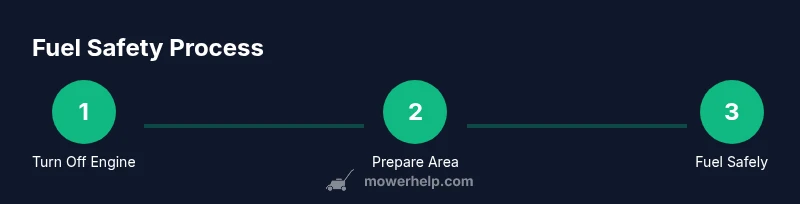
If you must fuel a tractor, start by turning the engine off, setting the parking brake, and allowing the exhaust and nearby components to cool. Use an approved, labeled fuel container on a stable surface, and keep sparks, flames, and hot surfaces well away. Open the fuel cap slowly to vent pressure, fill smoothly, and stop about an inch below the top to prevent spills. Wipe any drips immediately and inspect for leaks before restarting. By following these steps, you reduce the risk of ignition and environmental spills.
Environment and tools you need
Choose a level, well-ventilated outdoor area away from buildings and ignition sources. Place a spill tray or a thick mat under the fill point to catch drips. Have a leak-cleanup kit, gloves, eye protection, and a dry rag on hand. Use only the recommended fuel type for your tractor and store extra fuel in a red, approved container. Keep a charged fire extinguisher nearby as a precaution.
Quick tips to avoid spills and fires
- Do not fuel indoors or in enclosed spaces; outdoor fueling with good ventilation is essential.
- Always place the mower on level ground and engage the parking brake; never depend on a loose wheel to hold position.
- Use an approved fuel container; keep the container on the ground while filling and never hold it in your hand while pouring.
- Wipe up spills immediately and dispose of absorbent material according to local regulations.
- After fueling, replace the cap, wipe remaining vapors, and step back at least several feet before restarting.
Tools & Materials
- Approved fuel container(Red or clearly labeled container designed for fuel, with a secure cap)
- Spill tray or mat(Place under fill point to catch drips)
- Personal protective equipment(Gloves and eye protection to avoid skin contact and splashes)
- Rags or absorbent pads(For immediate spill cleanup)
- Fire extinguisher(Class B or multi-purpose near fueling area)
- Fuel, appropriate for the tractor(Follow manufacturer guidance for octane/type)
Steps
Estimated time: 15-25 minutes
- 1
Turn off engine and engage parking brake
Turn the ignition to OFF and remove the key if applicable. Apply the parking brake firmly to prevent any movement during fueling. This reduces the risk of the tractor rolling and creating a fuel spill or injury.
Tip: If the engine is hot, allow 5–10 minutes to cool before handling the fill area. - 2
Move to level, ventilated fueling spot
Position the tractor on flat ground away from buildings, sheds, and ignition sources. Ensure there’s good airflow to disperse any fumes and to minimize vapor buildup around the fill area.
Tip: Avoid fueling near concrete that’s painted or sealed—vapors can condense on cool surfaces. - 3
Prepare fueling area and tools
Set the spill tray in place, wear gloves and eye protection, and place the approved fuel container on the ground. Remove any jewelry and avoid loose clothing that could catch on the fill cap.
Tip: Keep the fuel container stable and never hold it in your hand while pouring. - 4
Open cap and fill slowly
Loosen the cap gradually to vent any pressure, then fill the tank slowly. Stop about an inch below the top to reduce spill risk and avoid overfilling, which can cause vapor release.
Tip: Use a funnel if available to minimize drips and splashes. - 5
Close cap and clean up spills
Tighten the cap securely and wipe away any drips with a rag. Inspect the area for fuel leaks around hoses, fittings, and the cap seal before restarting.
Tip: Dispose of used rags in accordance with local regulations once they’re no longer saturated with fuel. - 6
Restart and test safely
After ensuring the area is clean and dry, remove the spill tray, step back, and start the engine. Observe for any fuel odors or leaks in the first minute of operation.
Tip: If you notice a strong fuel smell, shut down again and re-check connections before running.
Got Questions?
Is it ever safe to refuel a tractor while the engine is running?
No. Fueling with the engine running creates a high fire risk from heat, vapors, and ignition sources. Always turn off the engine and use proper procedures.
No, fueling with the engine on is unsafe due to heat and vapors.
What should I do if fuel spills during refueling?
Stop fueling immediately, move away, and contain the spill with absorbent material. Clean up and ventilate before restarting.
If fuel spills, stop, contain, and clean it up before you continue.
How long should I wait after turning off the engine before refueling?
Wait until the engine and exhaust are cool to reduce burn risk, typically several minutes depending on engine temperature.
Wait for the engine to cool before refueling.
Can I refuel in a garage or enclosed space?
Only if there is adequate ventilation and no ignition sources; outdoors is preferred for safety.
Refuel outdoors with good ventilation whenever possible.
What kind of container should I use for tractor fuel?
Use an approved, dedicated fuel container that is clearly labeled and designed to minimize spills.
Use an approved fuel container and label it clearly.
What maintenance checks help prevent fueling hazards?
Regularly inspect the fuel cap seal, hoses, and fittings for leaks, and replace worn parts promptly.
Check hoses and fittings for leaks and replace worn parts.
Watch Video
The Essentials
- Always turn off the engine before fueling
- Use an approved container and spill tray
- Fuel outdoors on level ground with good ventilation
- Clean spills promptly and inspect for leaks