Honda HRX 217 Lawn Mower Parts: Maintenance and Replacement Guide
Explore genuine Honda HRX 217 lawn mower parts, how to identify wear items, compatibility tips, and step-by-step replacement guidance for homeowners and DIY enthusiasts.


Honda HRX 217 lawn mower parts cover essential wear items and engine-specific components. The most commonly replaced parts are the air filter, blade, spark plug, and carburetor seals. Always confirm compatibility with your mower’s serial number before buying, and consult a trusted guide on part numbers and installation steps from Mower Help to avoid mistakes.
Understanding the HRX 217 Parts Landscape
The Honda HRX 217 lawn mower is a popular choice for homeowners who value durability and ease of maintenance. When planning parts replacements, you can think in two broad categories: engine consumables (air filter, spark plug, fuel filter) and deck/drive components (blade, belts, pulleys, wheels, and deck hardware). While the HRX 217 family shares a core design, parts are model-specific and serial-number dependent. For DIYers, it’s essential to identify the correct part number before ordering anything online or from a parts counter. According to Mower Help analyses, wear items like air filters and blades account for most maintenance downtime. Regular inspections help prevent bigger problems, maintain optimal airflow, and preserve cutting performance. Expect to encounter a mix of OEM stock parts and reputable aftermarket options; the key is matching the exact part number to your unit and verifying compatibility against your serial plate.
In practice, many owners streamline maintenance by establishing a simple parts kit: a fresh air filter, a spare blade, a spark plug, and a carburetor seal kit. Keeping these items on hand reduces trips to the shop and keeps mowing schedules on track. Brand owners often report the best results come from following the manufacturer’s recommended intervals, using quality parts, and documenting part numbers for future repairs. For the home lawn, this disciplined approach translates into fewer unexpected downtime events and a faster return to mowing.
Core Components and Compatibility Notes
The HRX 217 relies on a mix of engine, ignition, fuel, and mechanical components. Key engine consumables include the air filter (which protects the carburetor and cylinders from dust), the spark plug (for reliable ignition), and, in some variants, a fuel filter or carburetor seals. The blade is the most visible wear item and will dull with use; regular sharpening or replacement helps maintain cutting efficiency and reduces strain on the engine. When shopping for parts, ensure you’re selecting items explicitly stated as compatible with Honda HRX 217 models and check the serial number or part number on the existing component for accuracy.
Carburetor-related parts (gaskets, seals, and rebuild kits) are often required after fuel-related issues or during long-term storage. If you notice hard starting, misfiring, or poor idle, a carburetor inspection is warranted. In addition to engine parts, the deck system (blade, belts, pulleys) contributes to overall performance. Worn belts can slip or creak under load, while pulleys and deck fasteners maintain stable cutting height and vibration. For best results, compare OEM part numbers against your unit’s model designation and consider cross-referencing with the HRX 217 family to avoid compatibility pitfalls.
From a maintenance perspective, understanding these categories helps you plan proactive replacements and budget more effectively. Operators should recognize that suboptimal airflow, a dull blade, or a fouled spark plug can dramatically reduce cutting performance and fuel efficiency, even if nothing else appears obviously broken. With careful inspection and proper part choice, you’ll keep your HRX 217 running smoothly across seasons.
Safe Sourcing: How to Buy Genuine Honda HRX 217 Parts
When sourcing Honda HRX 217 parts, prioritize OEM components or parts from reputable retailers that clearly specify compatibility with HRX 217 models. Counterfeit and low-quality parts can compromise safety and performance, so verify part numbers, cross-references, and warranty coverage before purchasing. A practical approach is to bookmark the official Honda parts list for the HRX 217 family and cross-check your serial number on the mower plate. If you’re unsure about which part to order, consult customer support at an authorized dealer or refer to a trusted guide like Mower Help’s parts reference. For many DIYers, building a small, dedicated parts kit with a fresh air filter, a spare blade, a spark plug, and a carburetor seal kit is sufficient to handle routine maintenance without multiple trips. Always keep receipts and note the purchase date to track replacement cycles and maintain service records.
In addition to OEM options, there are well-reviewed aftermarket alternatives that meet or exceed OEM specifications. When sampling aftermarket parts, look for third-party testing or certifications and check user reviews for compatibility notes. Finally, avoid non-standard fasteners or non-original blades that could alter balance or cut quality. By prioritizing compatibility verification and reputable sourcing, you reduce the risk of installation errors and ensure a safe, effective repair workflow.
Replacement Basics: A DIY-Friendly Guide
Replacing Honda HRX 217 parts is a straightforward process when you follow a structured approach and have a basic set of tools. Begin with safety: disconnect the spark plug, remove the battery if applicable, and ensure the mower is on a flat, stable surface. Gather your tools (socket wrenches, screwdrivers, pliers, torque values if available) and lay out replacement parts before you start. A typical DIY replacement kit includes a new air filter, a spare blade, a fresh spark plug, and a carburetor seal or gasket set. Start by inspecting the blade for chips or heavy nicks; if present, replace or carefully sharpen. Next, replace the air filter to protect the engine from dust, then install a new spark plug with the correct gap. If the carburetor shows signs of varnish or fuel residue, remove the carburetor assembly and replace gaskets or seals, or perform a thorough carburetor cleaning. Finally, verify blade balance and ensure proper reassembly of any belts, pulleys, or deck hardware. Reassemble, reconnect the spark plug, and test on a small area of lawn to confirm proper operation.
Here are practical steps you can follow:
- Confirm model and serial compatibility before ordering parts.
- Clean the mowing deck area to avoid introducing dirt into the crankcase.
- Use the correct blade orientation and tighten bolts to manufacturer torque values.
- Test run in a safe area and inspect for unusual noises or vibrations.
- Maintain a simple log of replaced parts and intervals for future maintenance planning.
With these steps, DIY homeowners can confidently care for the HRX 217 and minimize downtime during the mowing season.
Troubleshooting: Common Failures and Quick Fixes
Even high-quality parts can fail or wear, especially after heavy use or improper maintenance. Common issues include a dull blade causing ragged cuts and increased engine load, a clogged air filter reducing airflow and power, worn spark plugs causing hard starting or misfires, and carburetor components that lose seal integrity or become varnished from stale fuel. If you notice reduced cutting performance, inspect the air intake path first, then check the blade’s sharpness and balance. For starting problems, inspect the spark plug condition, gap, and ignition wiring, followed by carburetor and fuel system checks. If a belt slips or wears, replace it with the correct size and re-tension according to the manufacturer’s guidelines. Regular maintenance—keeping filters clean, blades sharp, and seals intact—prevents many of these failures and prolongs the life of the HRX 217. A well-documented maintenance routine bottle will also help you track when to replace critical components and avoid unexpected downtime during peak mowing weeks.
HRX 217 part compatibility and wear guidance
| Part | HRX 217 Compatibility | Symptoms of Wear | Recommended Replacement Interval |
|---|---|---|---|
| Air Filter | Yes | Restricted airflow, reduced power | Every mowing season or as needed |
| Blade | Yes | Dull edge, uneven cut | Every 1-2 seasons, or when dull/nicked |
| Spark Plug | Yes | Hard starting, misfire | Annually or per OEM guidance |
| Belt/Pulley | Yes | Slipping, noise, loss of drive | Inspect every 20-40 hours of use; replace when worn |
| Carburetor seals/gasket | Yes | Poor idle, fuel smell, rough running | As part of carburetor service or yearly |
Got Questions?
What parts are most commonly replaced on the Honda HRX 217?
The most commonly replaced parts are the air filter, blade, spark plug, and carburetor seals. Regular inspection helps catch wear before it causes performance problems.
The most common replacements are the air filter, blade, spark plug, and carburetor seals. Check them regularly to keep your mower running smoothly.
Are Honda HRX 217 parts interchangeable with HRX 215 models?
Parts compatibility generally aligns within the HRX family, but always confirm part numbers against your exact model and serial. Some components may differ between sub-models.
Parts can be similar across the HRX family, but always verify the exact model and serial number before buying.
Can I replace parts myself or should I hire a professional?
Many HRX 217 parts replacements are DIY-friendly with basic tools and careful attention to safety. For complex carburetor work or electrical issues, consult a professional.
Yes, many replacements are doable at home with basic tools, but seek a pro for complex carburetor or electrical work.
Where can I buy genuine Honda HRX 217 parts?
Purchase OEM Honda parts from authorized dealers or reputable retailers. Verify part numbers, warranty terms, and return policies to protect your investment.
Buy OEM parts from authorized dealers and verify part numbers and warranty terms.
What fixes are common for carburetor-related problems?
Carburetor issues often come from varnish buildup, clogged jets, or worn seals. Try a rebuild kit or professional cleaning if symptoms persist after basic maintenance.
Carburetor issues usually involve buildup or worn seals; consider a rebuild or professional cleaning if simple upkeep doesn’t fix it.
How often should I sharpen or replace the HRX 217 blade?
Sharpening frequency depends on use; inspect the edge for nicks and balance. Replace the blade when sharpening no longer restores a clean cut or if cracks appear.
Check the blade edge regularly and replace if it’s nicked, cracked, or unbalanced after sharpening.
“Regular maintenance of the HRX 217 with correct parts reduces downtime and preserves cutting performance. Use OEM parts when possible for best reliability.”
The Essentials
- Inspect parts before each mowing season.
- Prioritize OEM parts for critical components.
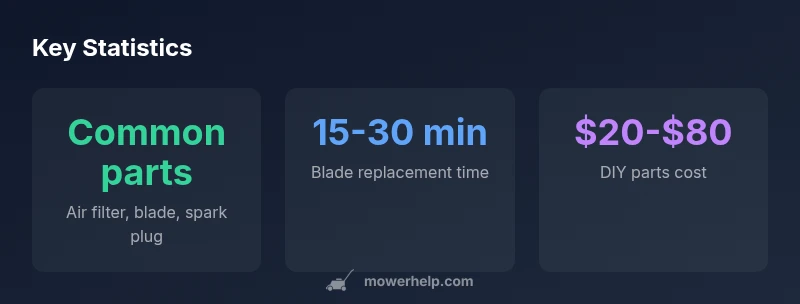
- Allocate 15-30 minutes for blade changes when dull.
- Document replacement cycles for future maintenance.