How to Replace a Lawn Mower Inline Fuel Filter
Learn how to inspect, replace, and maintain your lawn mower inline fuel filter for reliable starting and smooth operation. Practical steps, safety tips, and maintenance guidance from Mower Help.


A lawn mower inline fuel filter replacement goal is to restore reliable fuel flow and starting performance. The steps include locating the filter, relieving pressure, removing the old unit, installing the new one in the correct direction, reconnecting the lines, and testing for leaks. Prepare a clean workspace, gather a replacement filter, and work safely.
Why inline fuel filters matter for lawn mowers
A lawn mower inline fuel filter is a small cylindrical device placed in the fuel line to catch dirt, rust, varnish, and other contaminants that can travel from the fuel tank to the carburetor. A clean fuel path is essential for reliable starts and steady power while you mow. The Mower Help team notes that even high-quality engines are sensitive to poor fuel quality and restrictive filters; neglecting this simple component can lead to carburetor varnish and jet blockage over time. By replacing a dirty filter, you improve fuel delivery, reduce the risk of engine roughness, and extend the life of other fuel-system parts.
Another benefit of a healthy inline filter is easier cold-weather starting. In cooler months, fuel thickens and particulates are more likely to settle. A new, properly chosen filter helps maintain a steady supply of clean fuel to the carburetor, minimizing the chance of starting difficulties. For most homeowners, replacing the inline filter is a quick maintenance task that fits into a routine mower tune-up. It doesn’t require specialized tools beyond what you’d use for basic fuel-line work, and the cost is modest compared with carburetor repairs.
How to identify the right inline fuel filter
Inline fuel filters come in a few standard configurations, and choosing the correct one is essential for compatibility and performance. Start by locating the existing filter and noting its orientation, end fittings, and hose diameter. Many small gas mowers use a simple inline unit that clamps in series with the fuel line; you’ll need to confirm the hose sizes and the filter’s end fittings (barb, push-on, or threaded) and the flow direction arrow. Installing the filter backward will block fuel flow and can cause starting problems or lean running.
If you’re unsure about fit, check the mower’s manual or contact the manufacturer’s support line. Mower Help analysis shows that filtration needs vary with fuel quality and engine sensitivity; a higher micron rating may trap more particulates but could increase pressure drop. For most residential mowers, a filter rated for gasoline use and compatible with ethanol blends is appropriate. In addition to matching size and flow direction, consider the environment. Outdoor use requires weather-resistant seals and corrosion-resistant fittings. Finally, keep a small inventory of common filter sizes for your mower family, since several models share the same inline design. With the right filter, maintenance becomes a quick patch in your mower care routine rather than a scavenger hunt for parts.
Understanding inline fuel filter types
Most inline fuel filters are cylindrical, with two hose connections and a built-in flow arrow. There are generally two main families: simple replacement filters (no housing) and filters with clip or clamp attachments. Some filters include a built-in O ring seal; others rely on hose clamps for a tight seal. The choice depends on the mower’s fuel line size and the clamp style your model uses. In some older mowers, you’ll encounter filters that require a fuel line to be trimmed or re-skinned to ensure a snug fit. Before buying, measure the hose ID with a caliper or a ruler and verify end fittings match the hose ends. If you replace a filter and notice a persistent leak, recheck the clamps and ensure there’s no hairline crack in the hose. For best results, select a filter with a corrosion-resistant body and double-seal design to guard against fuel exposure. As with any maintenance component, the simpler the installation, the lower the risk of error, so pick a filter that matches your mower’s design and your skill level.
How fuel quality affects filter life
Fuel quality directly influences how often you’ll replace the inline filter. Dirt, rust, old fuel, and varnish can accumulate in the tank and along the line, saturating the filter faster than you expect. Gasoline with ethanol can degrade seals and contribute to moisture contamination, which the filter helps prevent from entering the carburetor. If you use premixed fuels or store fuel for long periods, you’ll want to inspect the filter more frequently. In some cases, you may notice a faint odor or visible contamination on the filter element, both of which indicate replacement is due. Regular inspection—checking for a dirty appearance, discoloration, or oily residue on the filter—helps you catch issues early. Remember that a clogged filter can mimic other problems, such as a clogged carburetor or weak fuel pump, so it’s wise to inspect all components if performance declines. The goal is to keep a clean, steady flow of fuel from the tank to the engine.
Step-by-step replacement overview
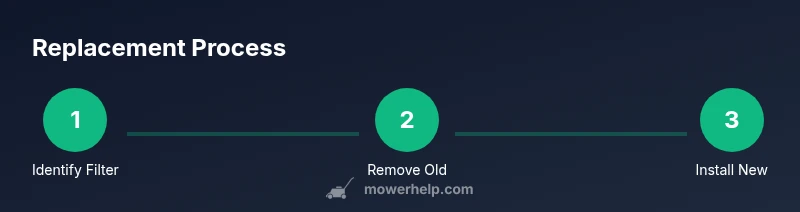
Replacement steps tend to be consistent across many mower models, but always refer to your manual for model-specific nuances. Begin by locating the inline filter on the fuel line between the tank and carburetor. With a safe workspace, loosen the clamps using the appropriate tool and gently detach the hoses. Remove the old filter, noting orientation; install the new unit in the same direction as the old one, aligning the flow arrow toward the carburetor. Re-seat hoses and clamps securely, wipe up spills, and ensure there are no kinks or bends at the connection. Before starting the mower, confirm the area is dry and all connections are snug. Start the engine and watch for smooth operation and any sign of leaks. If you detect a leak, re-tighten clamps and re-check hose ends. This overview covers the typical process from start to finish and sets up the more detailed, step-by-step instructions that follow. A well-executed replacement improves fuel delivery and helps restore consistent performance.
Safety considerations and spill prevention
Gasoline is highly flammable, so safety is non-negotiable. Work in a well-ventilated area away from any open flame or spark source. Keep a fire extinguisher or a bucket of water nearby in case of spills. Wear gloves and eye protection, and clean up any fuel that escapes with absorbent rags. If you’re working outside, be mindful of wind direction to avoid blowing vapors toward your face. Always disconnect the spark plug when performing maintenance on small engines to prevent accidental startups. Have a plan for proper disposal of used filters and contaminated rags according to local regulations. When in doubt, take breaks to re-check your work and re-fuel only in a safe environment. By prioritizing safety and cleanliness, you’ll reduce the risk of injury or fire while performing routine maintenance on your mower.
Common mistakes and troubleshooting
Even experienced DIYers can make mistakes during inline filter replacement. A frequent error is installing the filter backward, which blocks fuel or causes leaks. Another common issue is choosing a filter with the wrong size or micron rating, leading to poor performance or excessive pressure drop. If you see fuel leaks after replacement, double-check that clamps are secure and hose ends are fully seated. Residual fuel on the filter itself or on the clamps may indicate a leak you missed during installation. If the engine starts but runs poorly, inspect the fuel line for cracks and verify that there are no cracks in the hose near the ends. Varnish buildup in the carburetor or fuel tank is another possible culprit if the filter is new but the engine still performs poorly. In such cases, a broader fuel-system service—drain and replace old fuel, clean the carburetor, and check the tank line—may be necessary. The goal is to confirm the fuel path is clean and unobstructed, with secure connections, correct orientation, and appropriate filter rating.
Choosing filters for different mower brands and fuels
Different mower brands may use slightly different inline filters or fittings, so always check the model-specific recommendations. If you’re unsure, start with a general-purpose inline filter rated for gasoline and ethanol blends and compatible with your hose ID. Consider the filter’s micron rating, corrosion resistance, and whether it has a built-in seal or requires clamps. OEM filters are often the safest choice, but high-quality aftermarket options can also perform well if they meet the required specifications. When selecting a replacement, document the exact model family and search for compatible filters to simplify future maintenance. If you store your mower for extended periods, choose a filter that tolerates ethanol fuel and moisture exposure and inspect hoses for signs of degradation before reinstalling. In any case, maintaining compatibility and quality will minimize fuel-related problems and keep your mower performing reliably over the seasons.
The Mower Help conclusion: sustaining mower performance
Maintaining a clean, steady fuel path is one of the simplest and most impactful maintenance tasks for any homeowner. Replacing the inline fuel filter when needed protects the carburetor and keeps the engine running smoothly, season after season. The Mower Help team emphasizes that routine inspection, correct orientation, and quality fuel all contribute to longer mower life and fewer roadside repairs. By following a careful replacement procedure, you minimize mess, reduce spill risk, and avoid fuel-system damage. For DIY homeowners, this task is a reliable, low-cost way to preserve performance without professional service. The takeaway is clear: treat the inline fuel filter as a first line of defense against contaminants, and you’ll enjoy reliable starts, steady power, and a mower that’s ready when you are. The Mower Help analysis confirms that informed maintenance pays off in the long run, and the team’s verdict is to build this simple practice into your regular mower care routine.
Tools & Materials
- Replacement inline fuel filter(Match flow direction and hose ID; ethanol tolerance recommended.)
- Safety gloves(Protect hands from gasoline and sharp edges.)
- Safety goggles(Prevent fuel splashes from reaching eyes.)
- Drain pan or tray(Contain any spilled fuel during work.)
- Rags or shop towels(Clean spills and wipe fittings.)
- Small screwdriver or pliers(Loosen hose clamps or fittings.)
- Wrench set or adjustable pliers(Used on stubborn fittings.)
- Zip ties or hose clamps(Secure hoses after installation.)
- Fuel-safe container(Optional for temporary fuel transfer.)
- Flashlight(Improve visibility in tight spaces.)
Steps
Estimated time: 30-60 minutes
- 1
Prepare the workspace
Set up a clean, well-ventilated area. Gather tools and the replacement filter, put on gloves and safety glasses, and place a drain pan to catch spills. If your mower has a fuel shutoff, locate it and plan to use it.
Tip: Keep the work area dry and away from heat sources. - 2
Relieve pressure and access the filter
Turn off the engine, move the choke if applicable, and relieve any built up pressure by loosening the hose clamp slightly. Identify the inline filter along the fuel line.
Tip: Have a rag ready for any residual fuel. - 3
Remove the old filter
Loosen hose clamps and detach the hoses from the filter ends. Note orientation and take a quick photo if needed. Do not bend hoses sharply.
Tip: Carefully twist to avoid damaging hose ends. - 4
Install the new filter
Inspect the new filter, ensure the flow direction arrow points toward the carburetor, slide hoses onto ends, and tighten clamps securely. Make sure the O-ring seats properly.
Tip: If the fit is tight, warm the hose slightly to ease installation. - 5
Reconnect lines and secure clamps
Reattach hoses and secure clamps evenly. Check for kinks and confirm fittings are snug but not overtightened. Wipe up spills once the connections are complete.
Tip: Avoid overtightening, which can crack hoses. - 6
Test and verify
Reopen the fuel supply, start the engine, and observe for leaks. If there is any leak, shut down, re-tighten clamps, and re-check hose ends. Let the engine run briefly to test stability.
Tip: Run in a safe outdoor area to confirm proper operation.
Got Questions?
Do I have to replace the inline fuel filter every season?
Not every season, but inspect the filter regularly and replace if you notice fuel delivery issues, odd engine behavior, or visible contamination. Use fuel quality indicators and your mower's maintenance schedule to guide replacement.
Inspect routinely and replace when trouble signs appear.
Can I reuse an old inline fuel filter?
No. Reuse may reintroduce contaminants and reduce fuel flow. Always install a new, compatible inline filter to protect the carburetor and engine.
Avoid reusing old filters to ensure proper fuel flow.
What are signs of a clogged inline fuel filter?
Engine sputters, hard starts, reduced power, or inconsistent idle can indicate a clogged filter. Check the filter visually and replace if dirty or coated with varnish.
Look for sputtering or hard starts.
Which direction should the filter face?
Always align the filter with the flow direction shown by the arrow on the body and the mower’s fuel flow. Incorrect orientation can block fuel or cause leaks.
Match the arrow to fuel flow.
Is it necessary to drain fuel before replacement?
If possible, relieve pressure and drain a small amount of fuel to minimize spills. This makes the replacement cleaner and safer.
Relieve pressure and minimize spills.
Will replacing the filter fix starting problems caused by stale fuel?
Replacing the filter helps with fuel flow, but starting problems from stale fuel or varnish may require fuel replacement and carburetor cleaning for full restoration.
New filter helps, but may need more if fuel is old.
Watch Video
The Essentials
- Verify filter orientation before installation.
- Choose a filter compatible with your mower’s fuel and hose size.
- Inspect fuel quality and hoses to prevent future issues.
- Test for leaks after replacement and clean up spills immediately.