Lawn Mower Motor Oil: A Practical Guide for Maintenance
Learn how to select the right lawn mower motor oil, perform a proper oil change, and maintain your mower for peak performance. Practical guidance on oil types, capacity, and safe disposal from Mower Help.


You will identify the right lawn mower motor oil for your engine, prepare the mower, perform an oil change, and dispose of used oil safely. The quick guide covers oil grades, quantities, intervals, and safety tips for gas-powered mowers. It also flags common mistakes that shorten engine life and performance.
What is lawn mower motor oil and why it matters
Lawn mower motor oil is the lifeblood of a four-stroke mower engine. In most residential walk-behind mowers, the engine uses a dedicated crankcase filled with oil for lubrication, cooling, and sealing moving parts. Oil reduces metal-on-metal wear, carries heat away from the top end, and helps keep dirt and contaminants from causing accelerated wear. Using the wrong oil or letting the oil level drop can lead to increased friction, higher operating temperatures, and shortened engine life. This is why choosing the right lawn mower motor oil and keeping up a regular oil-change routine is essential for reliable starts, steady power, and long-term performance. According to Mower Help, neglecting oil maintenance is one of the most common causes of sudden mower failure. If you own a two-stroke mower, note that the fuel mixture itself provides lubrication, not the crankcase oil; those engines require special oil-to-fuel mixes and different maintenance schedules. For most homeowners, understanding the difference between oil grades, viscosity, and the engine’s demands will save time and money and prevent costly repairs.
How to choose the right oil for your mower
Choosing the right oil starts with your engine type and climate. Most four-stroke gas mowers use oil formulated for gasoline engines, with viscosity choices that support a range of temperatures. You’ll typically see conventional, synthetic, and synthetic-blend options. Conventional oils are usually affordable and adequate for normal use, while synthetic or synthetic-blend formulations offer better protection under high heat, dusty conditions, or heavy workloads. Look for an API service category that matches gasoline engines and avoid two-stroke fuels unless your mower is explicitly designed for them. In practice, you’ll choose a viscosity grade (for example, multi-grade like 5W-30 or 10W-30 commonly recommended for temperate climates) based on your manual. If you operate in extreme heat or cold, consider a multi-viscosity option to maintain proper lubrication across temperature swings. Always defer to the mower’s manual or nameplate to confirm the recommended oil type and viscosity. From a maintenance perspective, synthetic blends can offer longer intervals between changes and better oxidation resistance, but they may cost more upfront. Regardless of choice, avoid mixing weights or brands mid-cycle; use the same oil for each change unless the manual allows a different specification for a particular season. The overarching principle is to match the oil’s specification to the engine and operating conditions for sustained protection and performance.
To keep things simple, think of oil selection as a two-step decision: (1) engine specification and (2) operating environment. If your mower sits idle for long periods in dusty or humid conditions, a more robust oil formulation can reduce varnish buildup and deposit formation. If you’re unsure, start with the manufacturer’s recommended oil type and viscosity and adjust only after checking the first few months of operation. The goal is consistent lubrication without changing engine behavior or causing leaks, smoke, or hard starts.
Understanding oil capacity and how to measure
Oil capacity and the correct fill level depend on the engine design, so the best source is always the owner’s manual or the nameplate on the mower. Rather than guessing, use the manual to confirm the exact capacity and fill procedure. If a dipstick is present, check the level after adding a small amount, then gradually top off until the oil just reaches the full mark. Some engines do not use a dipstick; in those cases, you’ll fill to the recommended level described in the manual or to the point where the engine’s fill hole line aligns with the top of the crankcase. Always aim for a clean, precise fill and never exceed the maximum level, as overfilling can cause foaming, reduced lubrication, and engine damage. Before any oil change, ensure the mower is on a flat surface and cool to avoid spills and burns. For engines without dipsticks, series of indicators like a stamped “full” line on the fill hole or a sight window can guide you toward the correct level. Finally, keep a tidy workspace and label the oil container after use to support future maintenance routines. Consistency matters: using the same oil type and keeping the level within the recommended range fosters predictable engine performance and longer life.
Key takeaway: always verify capacity and fill level from official documentation and use a proper fill technique to avoid oil starvation or overfill.
The importance of a clean drain and preparing your workspace
An effective oil change begins with a clean, organized workspace and a reliable catching system. Shut off the mower and let it cool before you touch any oil. Place the mower on a stable surface with the blade away from you for safety. Position a drain pan or shallow tray directly beneath the drain plug or oil fill point. A tidy setup reduces the risk of spills, which can be slippery and environmentally harmful. Keep rags or shop towels handy to wipe away drips, and wear eye protection and gloves to guard against splashes. If your mower has a removable oil filter, have a filter wrench ready. Some small engines don’t have filters; however, if yours does, you should replace or clean it according to the manufacturer’s guidance. As you drain, watch for metal shavings or unusual debris in the oil, which can indicate internal wear and may warrant professional service. Once drained, inspect the drain plug and gasket for wear and replace them if signs of damage appear. Finally, ensure you’ve removed the drain plug correctly and re-seated it with a clean washer if required. This initial step sets the stage for a clean refill and helps you avoid contaminating new oil with old residue.
Step-by-step approach to draining old oil and preparing for a refill
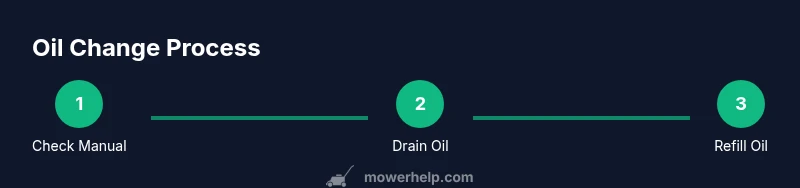
A disciplined approach to draining old oil minimizes mess and ensures you capture nearly all of the used oil. Start by warming the mower slightly (not hot) so the oil flows more readily, then place the drain pan under the drain plug. Use the correct tool to loosen the plug a quarter-turn at a time, then gradually unscrew it fully once you feel free movement. Allow the oil to drain completely—this can take several minutes depending on temperature and engine design. While the oil drains, prepare your new oil: select the correct grade and quantity according to the manual, and open the container only when you’re ready to pour. After drainage, wipe the drain area clean and inspect the drain plug and gasket for signs of wear. Reinstall the drain plug with a clean washer if applicable, tighten to the manufacturer’s specification, and clean up any residual oil from the surrounding area. With the old oil removed, you can proceed to adding fresh oil with a steady, controlled pour using a funnel to minimize spills. Finally, wipe your hands, dispose of the used oil responsibly, and seal and label the old oil container for recycling.
Refill with new lawn mower motor oil and verify level
Refilling is a controlled step where precision matters. Position the funnel in the fill opening and pour a small amount of fresh oil at a time, pausing to check the level with the dipstick or sight line as described in the manual. Refrain from filling too quickly, as splashes can create air pockets and incomplete lubrication. Once you reach the target level, replace the fill cap or dipstick, securely seal, and wipe away any accidental drips. Start the mower and run the engine for a minute or two to circulate the new oil, then turn it off and wait a few minutes before rechecking the level. If the dipstick shows the oil is low, add a small amount more and recheck. Do not overfill; if in doubt, remove a little oil and re-measure. Finally, wash your hands and hands, clean the area, and store the tools and unused oil properly. By following this careful refill procedure, you’ll ensure the engine has proper lubrication and avoid common issues like oil foaming or leaks.
Start-up check, leak test, and cleanup
After refilling and rechecking the level, restart the engine and let it run for a short period to verify oil circulation and that there are no leaks around the drain plug or fill cap. Listen for unusual sounds, observe any smoke, and inspect the area for fresh oil drips. If you notice leaks or smoke, shut down the engine and recheck the drain plug, gasket, and fill level. If the level settles correctly, perform a final wipe-down, and dispose of the used oil and rags in accordance with local regulations. Record the maintenance date and oil specification in your notes to simplify future servicing. A quick post-maintenance check is to run the mower across a flat surface to ensure normal operation and to observe the oil’s behavior during operation. This verification step confirms you’ve completed the process correctly and helps you build a reliable maintenance habit.
Safety, disposal, and environmental considerations
Used motor oil is hazardous waste and should never be poured on the ground or into drains. Collect used oil in a closed container and take it to a certified recycling or disposal facility. Many auto parts stores and service centers accept used mower oil, and some municipalities offer curbside options or drop-off days. If you spilled oil on the ground, clean it with absorbent material and dispose of the absorbent as hazardous waste. Keep a dedicated container for used oil to avoid cross-contamination with new oil. Finally, store oil containers upright and closed to prevent spills and preserve oil quality for future changes. Implementing a proper disposal routine protects the environment and supports responsible mower ownership.
Maintenance cadence and long-term tips for lawn mower motor oil
Establishing a simple cadence helps you stay ahead of problems. Schedule oil checks at key maintenance intervals, such as at the start of mowing season and mid-season, and adjust based on usage and climate conditions. Always replace oil based on the engine’s specifications rather than on a fixed calendar if your mower endures dusty conditions or heavy workloads. Consider keeping spare oil in the shop to simplify changes, and label containers with the date of purchase for rotation. Over time, you’ll learn how your mower responds to different oil types and climates, which helps you tailor maintenance for optimal performance. Finally, remember that regular oil changes aren’t merely about keeping the engine clean; they’re an essential part of protecting the durability and reliability of your lawn mowing setup. Following a consistent routine will reduce their risk of sudden failures and extend overall engine life.
Common mistakes to avoid and advanced maintenance tips
Many homeowners make the mistake of using the wrong viscosity grade or mixing oil types, which can compromise lubrication. Always verify the recommended grade in the manual before purchasing. Skipping oil changes or extending the interval beyond the manufacturer’s guidance is another common pitfall; the result is varnish buildup, deposit formation, and reduced efficiency. Avoid overfilling the crankcase, which can cause foaming and leaks; use slow, controlled pours and measure the level as you go. After several seasons, inspect the oil filtration and gaskets for wear and replace as needed. If your engine has an oil filter, plan for filter maintenance according to the manual. Finally, maintain a simple log of changes and observations; a small notebook can help you track performance and plan ahead for replacements or service that protects your investment.
How to integrate lawn mower motor oil maintenance into your routine
Make oil maintenance a regular habit by pairing it with seasonal tasks like blade sharpening and air-filter cleaning. Keeping a dedicated toolkit and disposable oil containers makes the process efficient and less messy. Use a labeling system to track the last oil specification used and the date of the change. Create a short routine checklist that you complete each time you service the mower: confirm model and oil type, drain and refill, check level, start and inspect. A consistent approach reduces the chance of mistakes and helps your mower perform reliably year after year. Finally, keep a few tips from Mower Help on standby: follow the manual, clean up spills promptly, and never ignore changes in engine performance or unusual noises.
Tools & Materials
- lawn mower motor oil (correct grade per manual)(Select the grade and viscosity recommended by the engine manufacturer (e.g., 5W-30 or 10W-30 for temperate climates))
- drain pan(Shallow pan large enough to hold all drained oil)
- funnel(Directs oil into fill port; prevents spills)
- socket wrench or screwdriver for drain plug(Use the correct size to loosen drain plug)
- rags/shop towels(Clean spills and wipe hands)
- gloves and eye protection(Safety first; oil can irritate skin)
- new drain plug washer (if applicable)(Replace if damaged or worn)
- oil disposal container or sealed jug(Used oil must be recycled; do not pour on ground)
- optional oil filter wrench (if your mower has an oil filter)(Used to replace the oil filter if present)
Steps
Estimated time: Total time: 30-45 minutes
- 1
Identify oil type and capacity
Consult the owner's manual or engine plate to confirm the correct lawn mower motor oil grade and required capacity. This ensures you start with the right formulation and avoid overfilling.
Tip: Have the manual handy; verify changes if you store oil in a garage or shed. - 2
Warm the engine and prepare workspace
If the mower has been off for a while, let it cool, then run briefly to warm oil. Move the mower to a flat, well-ventilated area and place a drain pan underneath the drain plug.
Tip: A warm-but-not-hot engine drains more oil and reduces residue. - 3
Drain old oil
Loosen the drain plug slowly with the correct tool and allow the oil to drain completely into the pan. Keep your face away from the drain area to avoid splashes.
Tip: If oil resists, wait a few minutes and try again; avoid forcing the plug. - 4
Inspect drain plug and seal
Check the drain plug and washer for wear; replace the washer if it shows signs of deformation. Clean the drain area before reassembly.
Tip: A damaged washer can cause leaks after refilling. - 5
Install drain plug and prepare to refill
Reinstall the drain plug with a clean washer if required, snug but not over-tight. Wipe the area clean and prepare to add fresh oil with a funnel.
Tip: Ensure threads are clean to prevent cross-threading. - 6
Pour in fresh oil
Place the funnel in the fill port and pour a small amount of oil, gradually adding more while checking the level as you go.
Tip: Pour slowly to avoid overfilling; you can always add more later. - 7
Check oil level and top off
Run the engine briefly, turn off, and allow oil to settle. Check the dipstick or level indicator and add more oil if needed until the proper level is reached.
Tip: Do not exceed the max level; overfilling can cause foaming. - 8
Clean up and dispose safely
Wipe spills, collect used oil in a sealed container, and transport it to a recycling facility. Wipe down tools and store safely for next use.
Tip: Never pour used oil on the ground or into drains.
Got Questions?
What is lawn mower motor oil best for everyday use?
Use the oil grade and viscosity recommended in your mower’s manual for everyday use. Conventional oil often suffices for typical seasonal mowing, while synthetic blends can offer extra protection in hot weather or heavy workloads.
Use the manual’s recommended oil grade for everyday use; conventional oil works for typical conditions, while synthetic blends help in hot weather or heavy use.
How often should I change lawn mower oil?
Follow the manufacturer’s interval guidance, which may depend on climate, workload, and fuel quality. As a general practice, perform an oil change at the start of each mowing season and after heavy use in dusty or humid conditions.
Follow the manual’s intervals; start of season changes are common, and dusty or humid use may require more frequent changes.
What if my mower doesn’t have a dipstick?
If there’s no dipstick, fill according to the manual until the level indicator on the fill hole or sight window shows the correct level. Check with a small amount and then verify by running the engine and rechecking after settling.
Without a dipstick, use the level marks on the fill hole or sight window and confirm by running the engine and rechecking.
Can I mix oil brands or viscosities?
Avoid mixing oils of different brands or viscosities. If switching specifications, drain the oil completely and refill with the manufacturer-recommended type to maintain consistent lubrication.
Don’t mix brands or viscosities; drain and refill with the correct oil to keep lubrication consistent.
How should I dispose of used lawn mower oil?
Take used oil to a certified recycling facility or participating retailer. Do not pour it on the ground or down drains; store it in a sealed container until you can recycle it.
Recycle used oil at a certified facility; never pour it on the ground.
Do I need to replace the oil filter during a change?
Some mowers have an oil filter; others do not. If your engine has a filter, replace it according to the manual or clean around the filter area if it is a spin-on type.
If your engine has an oil filter, replace or clean it per the manual during an oil change.
Watch Video
The Essentials
- Match oil to engine specification and climate.
- Check level after refilling to avoid over- or under-filling.
- Dispose of used oil responsibly; never pour on ground.
- Document maintenance dates and oil type for future reference.
- Follow the mower manual for intervals and replacement parts.