Lawn Mower Tune-Up Near Me: A Step-by-Step Guide
A practical, step-by-step guide to lawn mower tune-ups near you. Learn what to check, the tools you need, and when to call a pro. Tips from Mower Help.


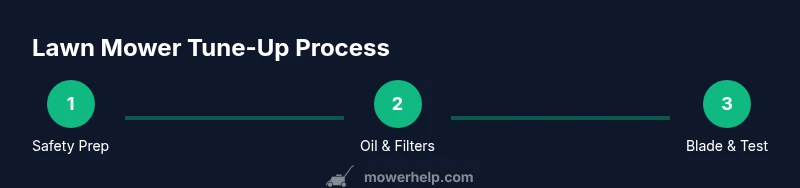
By following this guide, you can perform a lawn mower tune-up near me to restore performance and extend life. The process covers essential checks: oil, air filter, spark plug, blade condition, and fuel system. Gather basic tools, wear safety gear, and follow steps for a safe, effective service. Tip: results improve when you do it in a well-ventilated area today.
The value of a regular lawn mower tune-up
Regular tune-ups keep engines firing smoothly, improve starting reliability, and extend the life of your mower. For homeowners searching for 'lawn mower tune up near me', a routine service reduces breakdowns during peak mowing months and helps maintain consistent cutting performance. A well-executed tune-up addresses the core systems: fuel delivery, air intake, ignition, lubrication, and the blade assembly. According to Mower Help Team, consistent maintenance translates to fewer emergency repairs and lower long-term costs. When you plan ahead, you can often schedule a tune-up around your weekend work, minimizing downtime. This section sets the groundwork for understanding what to expect and how to prepare so you can identify a reputable local technician or perform the tasks yourself if you own the proper tools and safety gear. It also explores how tune-ups vary by mower type (gas, electric, or cordless) and by age, so you can tailor the plan to your specific machine.
What a tune-up near me typically includes
A standard tune-up goes beyond a simple oil change. It typically includes inspecting and replacing the air filter, checking and replacing the spark plug, inspecting the blade for damage or dullness, inspecting the fuel system, and performing a thorough safety check. If the mower has a carburetor, a cleaning or spray-through cleaning may be necessary. Some shops will also inspect the cooling fins, check belts, and verify the throttle linkage. When you search for 'lawn mower tune up near me', you may find shops offering different bundles; compare inclusions, warranty terms, and turnaround times to select a service that matches your needs. This is also a good opportunity to ask about disposal of old oil or filters and any environmental considerations.
DIY tune-up steps you can perform safely
DIY tune-ups empower homeowners to maintain control over mower performance while saving money. Start with safety by disconnecting the spark plug wire and moving the mower to a clean, well lit workspace. Begin with the simplest tasks and progress to the more complex ones: drain old oil, replace the air filter, inspect and replace the spark plug, sharpen or replace the blade, and clean the carburetor jets if accessible. Test the cooling fins for debris and wipe down the outer surfaces to prevent overheating. If you encounter resistance or trouble reassembling parts, refer to the manufacturer manual or seek professional assistance. Throughout, keep a written checklist to track what was done and what needs attention in the next cycle.
Safety, prep, and environmental considerations
Safety comes first in every tune-up. Wear eye protection and gloves, secure the mower so it cannot start unexpectedly, and work in a ventilated area away from flames. Dispose of used oil and filters according to local regulations—many communities require oil recycling at designated collection sites. Keep a tidy workspace to prevent slips on spilled fuel. If you’re unsure about any procedure, don’t rush; it’s safer to postpone the step and consult a guide or a local mower shop. Environmental considerations also apply to fuel storage and filter disposal, so choose environmentally friendly products when possible.
Troubleshooting after the tune-up and next steps
After completing a tune-up, perform a controlled test in a clear, open space. Check for smoke, unusual noises, or rough idling, and see how the mower handles startup and acceleration. If issues persist, revisit the affected area: oil conditions, air intake, ignition, or the blade setup. Keep a maintenance log noting dates, parts replaced, and observations to guide future tune-ups. For ongoing performance problems, consider a specialist inspection to address carburetor tuning, fuel quality, or ignition timing. Regular maintenance remains the best defense against unexpected mower downtime.
Authority sources
To support the guidance here, consult authoritative sources for lawn mower maintenance and safety. For general safety and environmental guidelines, see federal and university extension resources that cover small engine care and proper disposal. These sources provide practical, non sensational advice to homeowners and DIY enthusiasts alike.
- https://www.epa.gov
- https://extension.umn.edu/lawn-and-garden-care/how-to-tune-up-a-lawn-mower
- https://www.nifa.usda.gov
Tools & Materials
- Engine oil(Type recommended by your mower manual (often SAE 30 for small engines))
- Oil drain pan(To capture used oil; avoid spills)
- Air filter(Replace if dirty or damaged)
- Air filter tool(Screwdriver or pliers may help remove cover)
- Spark plug(Check gap per manual; replace if worn)
- Spark plug wrench(Appropriate size for your plug)
- Blade sharpener or file(Reshape dull edges safely)
- Replacement blade(Keep on hand for damaged blades)
- Socket/wrench set(Remove blade bolt and other fasteners)
- Carburetor cleaner spray(Optional for stubborn deposits)
- Safety gloves(Protect hands from sharp blades)
- Safety goggles(Shield eyes from debris)
- Rags/cloths(For wiping and cleanup)
- Fuel stabilizer(Helpful if fuel is old)
Steps
Estimated time: 60-90 minutes
- 1
Power off and prep workspace
Disconnect the spark plug wire and move the mower to a flat, well-ventilated area. Loosen and remove any accessible panels to reveal the air filter, spark plug, and blade bolt. Gather tools and set an oil pan under the drain plug location.
Tip: Lock the blade with a wrench to prevent rotation before loosening the bolt. - 2
Drain old oil and replace
Place the oil pan beneath the drain, remove the drain plug, and let the old oil flow out completely. Reinstall the plug and pour in the recommended oil to the correct level, checking on-site with the dipstick or sight glass.
Tip: Do not overfill; run the engine for a minute and recheck level. - 3
Replace air filter and spark plug
Remove the filter cover, extract the old air filter, and wipe the housing. Insert a new filter and reseal the cover. Remove the spark plug, inspect for wear, and replace if needed; re-gap to specification before reinstall.
Tip: Replace plugs to restore proper ignition timing and power. - 4
Sharpen or replace the blade
Loosen the blade bolt and remove the blade. Sharpen both edges evenly with a file, or replace with a new blade if it’s nicked or bent. Balance the blade before reinstallation.
Tip: Use a clamp or vise to hold the blade securely while sharpening. - 5
Check carburetor and fuel system
Inspect the carburetor for varnish or deposits; spray with cleaner or remove and clean jets if accessible. Check fuel lines for wear and ensure the gas cap vent is clear; replace parts as needed.
Tip: Work with fuel only in a ventilated area; wipe spills immediately. - 6
Test run and final inspection
Reassemble all components, add fuel, and start the mower. Listen for smooth operation, check for oil leaks, and verify that the blade spins freely without wobble. Adjust idle and blade height as needed.
Tip: Let the engine warm up before making performance judgments.
Got Questions?
What does a lawn mower tune-up near me include?
A tune-up generally covers oil change, air filter replacement, spark plug inspection, blade inspection or sharpening, carburetor cleaning, and a comprehensive safety check.
A tune-up usually includes oil, filters, spark plug, blade, carburetor checks, and a safety test.
Can I perform a tune-up myself at home?
Yes, many homeowners can perform a basic tune-up with common tools. Some tasks may require professional service for optimal carburetor timing or engine diagnostics.
Yes, most tasks are DIY-friendly, with professional help for complex carburetor work.
How often should I tune up my lawn mower?
Tune-ups are best treated as seasonal maintenance and should be performed when you notice performance declines or prior to heavy mowing periods.
Do it at the start of your mowing season and whenever you notice issues.
What signs indicate a tune-up is overdue?
Difficult starts, reduced power, misfires, unusual noises, or higher fuel consumption suggest it’s time to tune up or inspect components.
If it starts hard or runs rough, it likely needs maintenance.
Is blade sharpening part of a tune-up?
Yes, sharpening or replacing the blade is part of many tune-ups to ensure clean, efficient cutting and safe operation.
Sharpen or replace the blade during a tune-up for best results.
Watch Video
The Essentials
- Plan and safety come first in tune-ups
- Regular checks save money and time
- Replace worn parts for peak performance
- Document maintenance for future reference