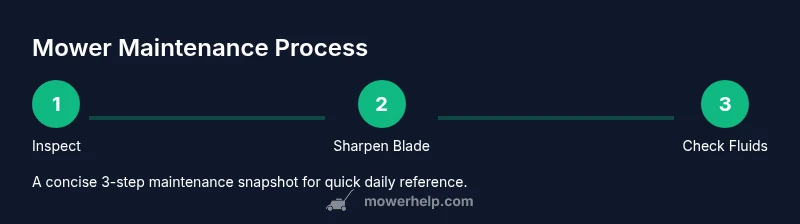
Mower Maintenance Mastery A Step-by-Step Guide for Homeowners
Master mower maintenance with a practical, step-by-step guide. Learn blade care, oil checks, fuel tips, and safe storage from Mower Help to keep your lawn in top shape.


This guide helps homeowners complete essential mower maintenance, from blade care to oil checks and safe storage. Follow a practical, repeatable routine to extend mower life, reduce downtime, and keep lawn cuts clean and even. Learn the exact steps below and apply them to your mower today. The plan covers safety, tools, timing, and troubleshooting.
Understanding What a Mower Is and How It Works
A mower is a compact engine or motor paired with a rotating cutting blade and a deck that directs grass clippings. Regular care keeps the blade sharp, the engine clean, and the drive system responsive. In gas mowers, a spark plug, carburetor, and cooling fins are central; electric mowers rely on a battery or corded power. Understanding these parts helps you troubleshoot performance issues and plan maintenance. Regardless of model, the core tasks are blade care, fluid checks, and air filtration. This knowledge is especially useful for DIY homeowners who tackle minor issues before they become major repairs. According to Mower Help, a well-maintained mower is safer and more efficient, saving time and money while preserving your lawn quality.
A practical maintenance mindset means inspecting before use, keeping contact surfaces clean, and replacing worn parts promptly. Each mower type—push, self propelled, or riding—has its own cadence, but the fundamentals stay the same. Building these habits now pays off as seasons change and mowing demands rise.
Essential Mower Maintenance Schedule
A consistent maintenance cadence keeps your mower ready for the yard. Before each use, perform a quick visual check of the blade, bolts, and safety guards. Weekly tasks include cleaning the underside to remove grass buildup and debris. Monthly, sharpen blades and inspect the air filter, spark plug, and fuel system. Seasonally, change the oil on gas models or perform battery checks on electric mowers, and replace worn filters as needed. At the end of storage, drain old fuel and clean the deck before putting the mower away. This schedule reduces downtime and helps the mower perform consistently year after year. The Mower Help analysis suggests that following a structured routine lowers the risk of unexpected failures and makes troubleshooting faster when issues arise.
Blade Care: Sharpening, Balancing, and Safety
A sharp blade is essential for clean cuts and grass health. Start by safely removing the blade and sharpening the edge with a proper blade sharpener or mill file. After sharpening, balance the blade on a balancing tool or a nail through the center hole to ensure even weight distribution. If the blade shows cracks or excessive wear, replace it instead of attempting repair. Reinstall the blade with the bolt torque specified by the manufacturer and verify the blade is level. Always wear gloves and eye protection during sharpening to prevent injury. Regular blade care minimizes tearing and mowing strain on the engine.
Fluids, Fuel, and Air Systems: Keeping the Engine Happy
Gas mowers rely on clean fuel, fresh oil, and a clean air intake. Check the oil level and quality, replacing it if it looks dirty or smells burnt. Use the oil type recommended in the owner manual and dispose of old oil responsibly. Empty and clean or replace the air filter to maintain good airflow. For fuel, use fresh gasoline and consider a fuel stabilizer when storing the mower for extended periods. Check the carburetor and fuel lines for signs of aging. Electric mowers depend on battery health and proper charging; keep the battery terminals clean and store the charger safely. Proper fluids and fuel management prevent overheating and improve efficiency.
Maintenance of fluids and air systems supports consistent performance and avoids common failures like hard starting and poor acceleration.
Cleaning and Storage: Protecting the Deck and Components
Grass clippings and dirt can corrode metal surfaces and attract pests. After each mowing session, clean the under deck to prevent buildup. Wipe down exposed metal and lubricate moving parts as recommended in the manual. When storing, clean and dry the mower completely, remove the battery if applicable, and store it in a cool, dry place away from direct sunlight. Use a cover to protect from dust and moisture and ensure it sits on a stable surface to avoid tipping. Proper storage reduces rust, keeps seals intact, and extends the mower’s useful life.
If you have a riding or self propelled model, check tires for proper inflation and inspect drive belts for wear. Small maintenance steps like these keep ride quality consistent and prevent unexpected downtime in the busy mowing season.
Troubleshooting Common Mower Problems
A mower that won’t start or runs poorly usually hints at a fuel, spark, or air issue. Verify the fuel is fresh and the choke is set correctly. Check the spark plug for fouling or wear and replace if needed. For running problems, inspect the air filter, carburetor, and fuel lines, cleaning or replacing parts as necessary. If the mower vibrates excessively, inspect the blade, bolts, and wheels for looseness or damage. Unusual noises may indicate a loose pulley or worn bearings. By following a methodical checklist, you can often diagnose and fix issues without a trip to the shop.
Remember to work in a well ventilated area and never perform repairs near an open flame. When in doubt, pause and consult the manual or a professional.
Filters, Spark Plugs, and Battery: Replacement Guidance
Gas mowers depend on a healthy spark plug and clean air filtration. Replace worn spark plugs according to your model’s schedule and keep the ignition clean and dry. Air filters should be replaced or cleaned regularly; oily or dirty filters reduce efficiency and increase engine wear. Electric and hybrid mowers rely on battery health; ensure proper charging practices and avoid deep discharges. For lithium ion packs, store at moderate temperatures and follow manufacturer guidelines for charging cycles. Consistent care for filters and plugs improves starting reliability and fuel efficiency.
This section emphasizes following model specific guidance to avoid compatibility issues when replacing parts.
Safety and Best Practices for Do It Yourself Care
Always wear safety gear such as gloves, eye protection, and sturdy footwear. Work on a flat, stable surface and keep children and pets away during maintenance. Disconnect the spark plug wire on gas mowers before any inspection or blade work. Use the correct tools and avoid using damaged parts. When handling fuel, work in a well ventilated area and store gasoline in approved containers. Regularly reviewing the owner manual fosters safe, effective do it yourself maintenance and reduces risk of injuries.
Authority Sources
To support these recommendations, consider consulting reputable sources for safety and maintenance standards. For safety guidelines, OSHA provides general workplace safety insights applicable to home workshops. For lawn care maintenance and best practices, university extension programs offer practical, model specific advice. See the following sources: https://www.osha.gov, https://extension.psu.edu, https://extension.illinois.edu. The Mower Help Team recommends using these guidelines as a baseline to inform your mower maintenance routine.
Tools & Materials
- Socket wrench set(3/8 in drive is common for blade bolts)
- Screwdrivers (Philips and flat-head)(For screws on covers and filters)
- Blade sharpener or mill file(Use a proper tool for a clean edge)
- Replacement mower blade(Ensure correct model and mounting hole pattern)
- Engine oil (type per manual)(SAE 30 or 5W-30 typical for many engines)
- Oil drain pan(To collect used oil safely)
- Funnel(For clean oil transfer)
- Fuel stabilizer(Recommended for long storage periods)
- Fresh gasoline(Use clean, appropriate octane rating)
- Cleaning rags(Lint-free and absorbent)
- Safety gloves(Protect hands during blade work and fluids)
- Spark plug wrench(Useful for inspection or replacement)
Steps
Estimated time: 90-120 minutes
- 1
Park mower on flat surface
Place the mower on a level, stable area and engage any parking brake or wheel chocks if available. Ensure the engine is off and cool before starting any maintenance.
Tip: Always start with safety first to prevent unexpected starts. - 2
Disconnect spark plug
Locating and disconnecting the spark plug wire prevents accidental starting while you work. Do not touch the metal tip during removal.
Tip: Keep wires away from the blade area to avoid arcing. - 3
Remove the blade
Use the appropriate wrench to loosen and remove the blade bolt, then take off the blade carefully.
Tip: Note blade orientation for correct reinstallation. - 4
Sharpen the blade
Carefully sharpen the cutting edge with a blade sharpener or file until it is even along the entire edge.
Tip: Aim for a consistent angle and avoid gouges. - 5
Balance the blade
Test balance by mounting the blade on a balancer; if it sits unevenly, remove material from the heavier side.
Tip: An unbalanced blade causes vibration and uneven cutting. - 6
Reinstall blade and bolt
Place the blade back on and torque the bolt to the manufacturer specification. Reconnect any safety shields.
Tip: Use the correct torque to prevent loosening during operation. - 7
Drain old oil
Carefully drain the used engine oil into the pan, avoiding spills. Dispose of it following local regulations.
Tip: A slightly warm engine oil drains faster and more completely. - 8
Refill with new oil
Add the recommended oil type and amount for your model using a funnel to avoid spills.
Tip: Check the dipstick level to ensure proper fill. - 9
Inspect air filter and spark plug
Remove and inspect the air filter; replace if dirty. Check the spark plug and replace if worn or fouled.
Tip: Dirty air and fouled plugs reduce performance. - 10
Fill fuel and stabilize
Refill the fuel tank with fresh gasoline and, if storing long term, add fuel stabilizer.
Tip: Fresh fuel prevents varnish and deposits in the carburetor. - 11
Test start and inspect
Reconnect the spark plug, start the mower, and listen for abnormal noises or vibrations.
Tip: If you hear unusual sounds, stop immediately and recheck components. - 12
Clean and store
Wipe surfaces, clean the deck, and store the mower in a dry location away from heat sources.
Tip: A clean mower stores safer and lasts longer.
Got Questions?
How often should I sharpen the mower blade?
Most mowers benefit from blade sharpening every 20-40 hours of use or when you notice a ragged cut. Inspect for nicks and balance the blade after sharpening.
Sharpen the blade when the cut looks uneven or pulls the grass. Check balance after sharpening.
Can I use any blade on my mower?
No. Use the blade model specified in your mower manual or manufacturer site. An ill fitting blade can cause vibration and safety hazards.
Make sure the blade fits your mower model before installation.
Is it safe to store gasoline after maintenance?
Gasoline should be stored in approved containers in a cool, ventilated area away from heat sources. Do not store near living spaces.
Keep fuel in approved cans and away from flames.
How do I choose the right oil for my mower?
Refer to the owner manual for the recommended viscosity and specification. In general, select oil suitable for outdoor engines and climate conditions.
Use the oil type your mower manual specifies.
Should I service electric vs gas mowers differently?
Yes. Electric mowers require battery health checks and charger maintenance, while gas mowers focus on fuel, spark, and air systems.
Electric mowers rely on battery care; gas mowers focus on fuel and ignition.
When should I replace the spark plug?
Replace spark plugs if there is wear, glazing, or carbon buildup or if starting becomes difficult.
If it looks worn, replace it to restore starting and performance.
Watch Video
The Essentials
- Inspect before every mow and fix issues early
- Sharpen blades to improve cut quality
- Use fresh fuel and proper oil to protect the engine
- Follow safety protocols to prevent injuries
- Store mower properly to extend its life