Portable Lawn Mower: Buy, Use, and Maintain
Learn how to choose, operate, and maintain a portable lawn mower for small yards. Compare cordless, corded, and gas models, plus safety tips and maintenance routines from Mower Help.


According to Mower Help, a portable lawn mower is a compact, lightweight mower designed for easy transport and storage, ideal for small yards and DIY tasks. This guide compares cordless, corded, and gas models, plus practical operation tips and simple maintenance to keep it performing well. By the end you’ll understand how to choose, set up, and care for a portable mower.
What is a portable lawn mower and who should use one?
A portable lawn mower is designed to be moved easily from shed to lawn, often weighing under 40 pounds and offering simple storage. Most models run on electricity (corded or cordless) or gasoline, with cutting widths from 14 to 22 inches. For homeowners with small to medium yards, stairs, or limited storage space, a portable mower provides agility you won’t get from larger riding mowers. According to Mower Help, the real advantage is control: you can mow around flower beds, approach hills, and carry the tool upstairs without strain. In practice, portable mowers shine in nimble tasks such as trimming narrow strips, edging along fence lines, or mowing in tight corners where a larger machine would be awkward. Before you buy, consider how often you mow, how much storage you have, and whether noise or emissions matter in your neighborhood. This is especially true for compact spaces where storage shelves and a small shed can be organized to keep the mower secure and protected from weather. Also assess whether you want a model that folds for even easier storage in closets or apartments.
Key features to look for when buying a portable mower
When evaluating portable mowers, prioritize features that directly affect portability, runtime, and edge-to-edge cutting. Start with weight and balance; a lighter unit with a well-designed handle reduces fatigue over long mowing sessions. Power source matters: corded electric units never run out of juice but require proximity to an outlet; cordless models offer mobility but depend on battery life and charging time; gas engines deliver power for tougher jobs but require more maintenance and noise management. Cutting width affects speed and maneuverability—your yard size will guide the ideal width. Adjustable cutting heights help you tailor performance to season and grass type. Battery life and charge time matter for cordless models; check both runtime under typical grass density and how long a full recharge takes. Safety features like blade brake, automatic shutoff when released, and easy blade access for sharpening are critical. Finally, check deck durability and weather resistance to ensure the mower endures seasonal storage.
Corded, cordless, or gas: which is best for you?
Corded models excel in reliability and continuous power for small yards, but a long extension cord can become cumbersome and a trip hazard. Cordless (battery-powered) units offer excellent maneuverability and quiet operation, ideal for tight spaces; however, runtime and battery replacement cost must be considered. Gas-powered portable mowers deliver maximum cut power for tougher lawns or uneven terrains, but they are heavier, louder, and require fuel storage and regular maintenance. In many homes, a small cordless model paired with a spare battery covers most tasks, while a second corded or gas model can handle larger or hillier sections. The choice often comes down to yard size, terrain, and tolerance for maintenance; remember that switching between models may be necessary as seasons change and grass grows.
Safety and ergonomics: protecting yourself while you mow
Ergonomics are just as important as engine power. Always wear eye protection, hearing protection where appropriate, sturdy gloves, and closed-toe shoes. Check the handle height and grip to ensure comfortable mowing posture, and keep a clear path to avoid obstacles. Never mow on wet grass; damp conditions increase slip risk and blade dullness. Before starting, inspect the blade for nicks and ensure the deck is clear of debris. If you’re using a gas model, allow the engine to cool before refueling and store fuel in approved containers. When you pause, release the handle to engage blade safety features and avoid accidental starts.
Maintenance essentials for portable mowers
Maintenance extends the life of your portable lawn mower and keeps it performing consistently. After each use, remove grass clippings and wipe the under-deck area to prevent resin buildup. For electric models, inspect battery terminals for corrosion and charge the battery according to the manufacturer’s guidelines; store batteries in a cool, dry place. For gas models, check oil levels, replace air filters as needed, and schedule regular spark plug inspections to maintain starting reliability. Sharpen or replace blades when you notice dullness or uneven cuts, and lubricate moving parts sparingly to reduce wear. Store the mower upright if possible and cover it to protect from dust and moisture. Periodic servicing, such as carburetor cleaning for gas engines or battery health checks for cord-free units, should be scheduled in line with your mower’s usage level.
How to evaluate yard size, terrain, and mowing patterns
To select the right portable mower, map your yard’s total area and note any slopes, fences, or obstacles. For flat, small lawns, a cordless or corded model with a 14–20 inch cutting width often suffices. Medium yards with gentle slopes may benefit from a wider deck and a more powerful motor. For hilly or uneven terrain, choose a mower with robust weight distribution, larger wheels, and a blade that maintains cutting efficiency on inclines. Consider mowing patterns that minimize repeats and avoid over-wetting the lawn; alternate directions for a cleaner cut and healthier grass. If you frequently navigate tight borders, a compact model with easy edge-trimming capabilities will save time. Finally, factor in storage space and whether a folding design would help keep your tools organized and out of the elements.
Setup and operation basics (ready-to-mow checklist)
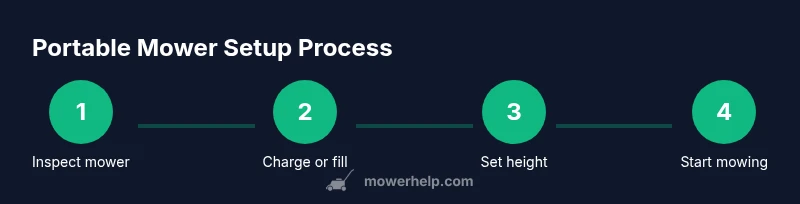
Before the first use, read the user manual for safety and assembly steps. Check blade condition and blade alignment, then ensure the cutting height is set to the appropriate level for your grass type. Attach the battery or connect the power cord, depending on your model, and perform a quick functional test in an open area without obstacles. Choose a mowing pattern that overlaps slightly on each pass to ensure complete coverage. Start mowing along a straight line, then gradually turn at the end of the row to maintain rhythm and reduce fatigue. After mowing, clean the deck, remove any remaining debris, and store the mower in a dry place. Regular checks and timely maintenance will keep your portable mower performing like new.
Common issues and troubleshooting
If the mower won’t start, check the battery charge, fuel level, and safety switches. A non-start might indicate a tripped fuse or a clogged air filter; consult the manual for model-specific troubleshooting steps. For cut quality problems, inspect blade sharpness and ensure proper height settings. If you notice unusual vibrations, stop mowing and inspect for loose mounting hardware or foreign objects in the blade path. Clean the air intake, verify battery connections, and replace worn parts promptly to prevent further damage. For electric models, keep cords and battery packs away from water and ensure connectors are fully seated. If you smell fuel or hear loud noises, stop immediately and seek professional service. Regular preventative maintenance reduces the likelihood of these issues and extends mower life.
Authority sources and further reading
- https://www.osha.gov
- https://www.epa.gov
- https://extension.illinois.edu
These sources provide safety guidelines, general maintenance practices, and educational resources that complement hands-on care for portable lawn mowers.
Tools & Materials
- Portable lawn mower (electric, cordless, or gas)(Model with appropriate power source for your yard size)
- Safety goggles(Eye protection during all mowing tasks)
- Work gloves(Grip and hand protection)
- Hearing protection(Optional for loud gas models)
- Extension cord (for corded models)(Use only outdoors-rated cords)
- Battery charger and spare battery (for cordless models)(Keep spares charged for uninterrupted mowing)
- Oil and filter (gas models)(Check oil level before each use)
- Deck brush or stiff brush(For cleaning under deck)
- Blade sharpener or replacement blades(Sharp blades ensure clean cuts)
- Fuel container (gas models)(Store fuel safely in approved container)
Steps
Estimated time: 45-75 minutes depending on yard size and model
- 1
Inspect andprepare
Place the mower on a flat, dry surface. Check blades for nicks, ensure cutting height is set, and inspect for loose hardware. This pre-work reduces the risk of vibration and poor cuts.
Tip: Use a flashlight to inspect under the deck where grass builds up. - 2
Charge or fuel
Charge cordless batteries to full or fill the fuel tank for gas models. Do not mix fuel and oil, and never top off while the engine is hot.
Tip: If cordless, plan for a spare battery to avoid downtime. - 3
Attach power source
Connect the battery or plug in the corded unit. Confirm safety switches are engaged, ensuring the blade stops when you release the handle.
Tip: Never mow with a loose or frayed extension cord. - 4
Set cutting height
Adjust to the recommended height for the current grass length. Taller grass may require multiple passes at a higher setting.
Tip: Avoid cutting more than 1/3 of the blade length in a single pass. - 5
Start mowing
Begin on a straight line, pushing with steady, even pressure. Overlap each pass slightly to avoid stragglers and ensure even coverage.
Tip: Work from shaded areas into sunlit zones to reduce clumping. - 6
Mow around obstacles
Slow down near edges, flower beds, and slopes. Use slower, careful passes to maintain control.
Tip: Let the mower do the work; avoid forcing against resistance. - 7
Finish and clean
Turn off the mower, disconnect power, and clean the deck and blades. Check for debris and store in a dry location.
Tip: Wipe down blades to prevent rust and residue buildup. - 8
Maintenance plan
Schedule blade sharpening, air filter checks (gas models), and battery maintenance regularly. Record service dates for future reference.
Tip: Keep a simple maintenance log to track parts replacement.
Got Questions?
What is a portable lawn mower and who should use one?
A portable lawn mower is a compact, easily transported mower ideal for small to medium yards and DIY users. It is available in electric, cordless, or gas variants, offering flexibility for tight spaces and simple maintenance.
A portable mower is a small, easy-to-move mower great for small yards; available in electric, cordless, or gas options.
Corded vs cordless: which should I pick?
Corded mowers never run out of power but require a nearby outlet and careful cord management. Cordless models offer mobility with batteries that need charging and occasional replacements. Your yard size and access to outlets drive the decision.
Corded mowers need a power outlet and care with cords; cordless mowers run on batteries but need charging and occasional battery replacement.
Can I sharpen the blade myself?
Yes. For most models, you can remove the blade and sharpen it with a proper blade sharpener or replace it if damaged. Always unplug or remove the battery before servicing.
Yes, you can sharpen or replace the blade; always unplug or remove power first.
Is a portable mower good for hills or uneven terrain?
Portable mowers perform well on mild slopes with appropriate weight distribution and wide wheels. For steep hills, consider models designed for incline mowing and follow manufacturer guidelines to prevent tipping or loss of control.
They work on mild slopes; for steep hills, use models built for inclines and follow safety tips.
How often should I maintain a portable mower?
Check oil, air filters, and blades periodically based on usage. For frequent mowing, schedule a monthly quick check and a deeper service every season or after heavy use.
Do quick checks monthly and full servicing seasonally or after heavy use.
What should I store with a portable lawn mower?
Store in a dry, sheltered place. Keep fuel in approved containers away from heat sources; for electric models, store batteries in a cool, dry area and avoid leaving them fully discharged.
Store in a dry place with safe fuel storage and battery care guidelines.
Watch Video
The Essentials
- Choose the power source that matches yard size.
- Prioritize safety features and comfortable ergonomics.
- Regular maintenance extends mower life and cut quality.
- Corded models suit small yards; cordless and gas handle different terrains.
- Plan a simple storage and care routine to prevent downtime.