Push Button Start Lawn Mower: How to Start, Troubleshoot, and Maintain
Learn how to start, maintain, and troubleshoot push button start lawn mowers. This expert guide covers safety, common failures, and practical maintenance for homeowners and DIY enthusiasts.


In this guide you will learn how to safely start a push button start lawn mower, diagnose common failures, and perform quick checks to get back to mowing. We cover safety essentials, battery and electrical checks, fuel and carburetor basics, and a clear, step-by-step troubleshooting flow. By the end you’ll know when to DIY and when to seek service.
What is a push button start lawn mower?
A push button start lawn mower represents a modern ignition approach where pressing a dedicated start button engages an electrical circuit to crank the engine or drive system. Unlike traditional recoil start mowers that require pulling a cord, push button systems rely on a battery, solenoid, and ignition components to initiate operation. This design offers easier access for homeowners and reduces the risk of kickback, especially for long-handled models. In many units, the start button works in concert with a safety mechanism like a blade engagement switch or operator presence control (OPC), ensuring the mower won’t start unless you’re actively supervising the mower. When you see a push button start lawn mower, expect a compact control panel, clean wiring harnesses, and a sealed electrical compartment designed to resist moisture and debris. Understanding these elements helps you diagnose issues more effectively and plan preventive maintenance that keeps the mower performing reliably across seasons.
From a user perspective, the most noticeable benefit is convenience, especially for busy weekends. Tech notes, safety features, and the overall reliability of a push button start lawn mower depend on battery health, cable integrity, and clean fuel delivery, all of which Mower Help consistently highlights as key factors in dependable starting. The goal is to reduce friction when you’re ready to mow, while maintaining robust safety standards that protect you and your lawn. For homeowners, this means fewer frustrating starts and more consistent cutting performance in a single pass across the yard.
How push button start works vs traditional recoil
Push button start lawn mowers rely on a small electrical system to engage the engine or motor. When you press the start button, a relay or solenoid allows current from the battery to energize the starter motor or ignition coil. In electric-start models, this typically turns a small motor that spins the engine, while in some gas-powered units the system engages the ignition circuit necessary to fire the spark plug. In either case, a safety switch or OPC must be engaged to allow rotation. By contrast, recoil-start mowers use a pull rope that mechanically compresses the engine and creates a spark once the cord is pulled. Recoil systems require more physical effort and can wear out hoses and cords over time. A push button system reduces manual effort but depends on battery maintenance and secure wiring. Over time, users notice quicker starts and fewer kickback issues with button-based ignition when the electrical system is healthy and clean.
Common causes of starting issues
Starting issues with a push button start lawn mower commonly fall into a few categories:
- Battery problems: dead, weak, or corroded terminals reduce crank power or disable the start circuit.
- Electrical faults: blown fuses, damaged wiring, or a faulty solenoid can block current flow to the starter or ignition system.
- Fuel and carburetion: stale fuel, clogged jets, or dirty air filters prevent proper combustion, even if the electrical side is healthy.
- Safety interlocks: a faulty OPC or blade engagement switch can prevent the start button from triggering the circuit.
- Maintenance gaps: overdue oil changes, dirty spark plugs (gas engines), or dirty carburetors undermine starting reliability.
Addressing these issues often requires a process of testing power, verifying continuity, and ensuring fuel delivery is clean and uninterrupted. A systematic approach saves time and reduces the risk of accidental starting or injury. Throughout this guide, we’ll emphasize safe handling and test steps you can perform on a typical push button start lawn mower.
Safety considerations and immediate checks
Safety is non-negotiable when working on a push button start lawn mower. Always disconnect power sources or remove the battery before inspecting electrical components. Place the mower on a flat, level surface, engage the parking brake if applicable, and wear eye protection and gloves. Before you begin any inspection, verify the mower is completely powered down and that you are not near the blade. Check that the OPC bar (or safety lever) is functioning correctly and that the blade brake/clutch mechanism engages when the safety switch is released. If you smell gas or detect a fuel leak, do not start the mower; ventilate the area and address leaks first. When handling electrical components, avoid contact with water and use insulated tools. Finally, consult the owner’s manual for model-specific safety steps and warning indicators.
In many cases, a simple visual inspection of terminals and fuses, combined with a battery health check, can identify a fault without disassembly. If you feel unsure about electrical work, consider scheduling service with a qualified technician. The intent of these checks is to prevent accidents and ensure you’re starting with a safe baseline for further diagnostics.
Maintenance steps to ensure reliable starting
A well-maintained push button start lawn mower begins with a dependable electrical and fuel system. Start by inspecting the battery: ensure terminals are clean, tight, and free of corrosion; test voltage with a multimeter and recharge or replace if below the recommended threshold. Next, inspect the wiring harness for wear, cracks, or loose connections and reseat any loose plugs. For gas engines, confirm fresh fuel is used in the appropriate mixture and that the fuel line and filter are clean. Replace a stale spark plug and verify the ignition coil is producing a spark. Check and replace the air filter if dirty and clean the carburetor jets if fuel delivery seems compromised. Finally, test the start button in combination with the safety interlocks to ensure the circuit is complete; a weak button or corroded switch can impede starting even when all other components are healthy. Consistent lubrication of moving parts reduces resistance and preserves engine performance, which translates into smoother starts over time.
Recordkeeping for maintenance tasks is a simple way to stay on top of service intervals. Create a short checklist and date each maintenance action to track performance and ensure you don’t miss essential tasks like oil changes, air filter replacements, and battery health checks across mowing seasons.
Troubleshooting flowchart: step-by-step decisions
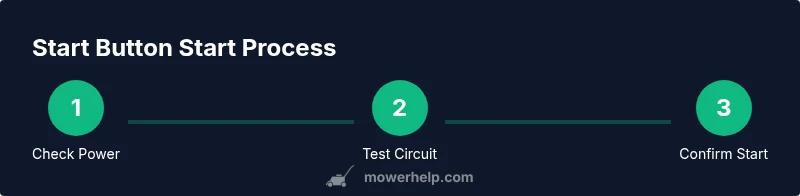
This flow is designed to help you decide the next action without guesswork. Start with the simplest checks and progress to more involved diagnostics:
- If the start button does nothing, check battery voltage and battery connections. If voltage is low, recharge or replace; ensure terminals are clean and tight.
- If the button engages but the engine won’t crank, inspect the starter solenoid and fuses. Replace blown fuses and test the solenoid with a multimeter.
- If you hear a click but no crank, test battery and wiring harness continuity; look for loose or corroded connections.
- If there is ignition but no starting, inspect spark plug (gas models), fuel quality, and carburetor cleanliness.
- If the blade interlock or OPC is faulty, you must repair or replace the interlock module before attempting another start.
Follow the flow sequentially and document your findings. When you reach a step that requires specialized tools or expertise, consider professional servicing. A structured approach reduces risk and increases the likelihood of a successful start.
Choosing the right model: features to look for
When selecting a push button start lawn mower, consider features that align with your yard size, terrain, and maintenance preferences. Key attributes include battery capacity and runtime, charging options, and EPS (emergency power shutoff) safety features. Look for an intuitive control panel with a clearly labeled start button, visible status indicators, and a reliable safety interlock system. Engine type matters: gas mowers require reliable fuel delivery and spark ignition, while electric versions depend on battery health and charging infrastructure. Other desirable traits include easy access for maintenance, filter-cleaning accessibility, and robust construction that withstands exposure to moisture and grass debris. If you mow on uneven terrain or have frequent battery replacements, consider models with reinforced chassis and corrosion-resistant components. Lastly, examine warranty terms because push button start systems can involve electrical components that benefit from manufacturer coverage.
Quick maintenance routine you can do this weekend
Allocate 30–45 minutes this weekend for a focused maintenance session that improves reliability of a push button start lawn mower. Begin by cleaning the air filter and replacing it if dirty. Check battery health and clean terminals; top off or replace as needed. Inspect the spark plug, replace if worn, and confirm there is a spark. Verify battery connections are tight and free of corrosion, then test the start button with the OPC engaged. Finally, run the mower on a small patch to observe crank time and listening for unusual sounds. A routine like this reduces the chance of surprises mid-season and keeps the mower ready for regular use.
What to do if the push button fails: repair vs replace
If the push button start lawn mower fails to start after completing basic checks, evaluate the age and condition of the electrical system. A common decision point is whether the battery and solenoid can be repaired or if replacement parts are more cost-effective than a complete unit replacement. Check warranty coverage on electrical components, and consider professional service for diagnostics beyond basic troubleshooting. In some cases, the issue may be a failing safety interlock that requires an authorized repair. If the mower is nearing end-of-life or repair costs approach or exceed the replacement price, replacing the unit with a newer model that includes updated safety features and longer battery life may be the most economical choice in the long run.
Authority sources
For safety guidelines and maintenance best practices, consult reputable sources:
- OSHA: https://www.osha.gov
- University extension resources: https://extension.unl.edu
- Cornell Cooperative Extension: https://www.extension.cornell.edu
Tools & Materials
- Owner's manual for your mower model(Keep handy; refer to safety features and model-specific instructions)
- Digital multimeter(For battery and electrical system checks)
- Screwdriver set (Phillips and flat-head)(General disassembly and terminal access)
- Wrench/socket set(Remove and secure components as needed)
- Wire brush / terminal cleaner(De-ox and clean battery terminals and connectors)
- Replacement spark plug (gas mower)(Only if plug shows wear or fouling)
- Air filter replacement(Replace if dirty or damaged)
- Fuel stabilizer and fresh fuel(Use with gasoline; avoid stale fuel)
- Safety gloves and eye protection(Personal protective equipment)
Steps
Estimated time: 30-45 minutes
- 1
Power down and secure
Ensure the mower is on a flat surface, remove the key or disconnect the battery as appropriate, and engage the OPC or safety bar to prevent accidental engagement. This step reduces risk before inspection.
Tip: Always disconnect the power source before touching electrical components. - 2
Check fluids and fuel
Inspect oil level and look for discoloration; ensure fuel is fresh and properly mixed if required. If fuel smells old or appears discolored, replace with fresh fuel and add stabilizer if appropriate.
Tip: Never start with contaminated or stale fuel, it can clog carburetors and reduce starting reliability. - 3
Inspect battery and connections
Test battery voltage with a multimeter; clean corrosion from terminals and ensure clamps are tight. If voltage is low, recharge or replace the battery. Inspect for damaged wires or blown fuses.
Tip: Loose or corroded terminals are a frequent cause of a non-responsive start button. - 4
Test ignition and safety interlocks
Check that the start button is responsive and that the safety interlock also functions (OPC engaged, blade disengaged). If the button edges feel sticky or loose, replace the switch.
Tip: If the safety interlock feels faulty, avoid attempting to bypass it; this is a critical safety feature. - 5
Check ignition and fuel delivery (gas engines)
Remove the spark plug to inspect for fouling or wear; test for a spark; inspect air filter and clean carburetor jets if fuel delivery seems sluggish. Reinstall spark plug with proper torque and test.
Tip: A weak spark is a common starting problem; do not reuse a worn plug. - 6
Attempt a controlled start
With OPC engaged and all checks complete, press the start button steadily and observe the response. If there is a single click or nothing changes, re-check connections and battery health before trying again.
Tip: Keep hands away from the blade during testing and listen for unusual sounds that indicate mechanical issues. - 7
Evaluate the need for service
If the mower still won’t start after these steps, compare repair costs to the price of a replacement unit. Check warranty status before scheduling service.
Tip: Document symptoms and steps taken to simplify the repair appointment.
Got Questions?
Why won't my push button start lawn mower start even when the battery seems fine?
Even with a healthy battery, a faulty solenoid, blown fuse, or a bad safety interlock can prevent startup. Check the wiring path from the battery to the starter and test the solenoid with a multimeter. Replacing a faulty interlock or fuse often resolves the issue.
If the battery tests good but the mower still won't start, inspect the solenoid, fuse, and safety interlocks. A faulty safety switch can stop the start circuit from closing even with power present.
Is it safe to start a push button mower if I smell fuel?
No. A fuel smell indicates a potential leak or vapor buildup. Do not start the mower; move it to a well-ventilated area and address leaks before trying again.
If you smell fuel, stop and check for leaks; starting could ignite fumes and cause a fire.
Can I replace a dead battery myself, and is it compatible with all push button models?
Battery replacements are model-specific. Consult the owner’s manual for the exact voltage, terminal layout, and mounting method. Use a compatible battery with proper cold-cranking amps to ensure reliable starts.
You can replace a battery, but make sure you get the right type for your mower model.
What should I do if the safety interlock is faulty and won’t engage the start sequence?
If the interlock is suspected faulty, stop using the mower and contact a service professional or the manufacturer for an approved replacement part. Bypassing the interlock is dangerous and not recommended.
A faulty interlock needs professional repair; don’t bypass it for your safety.
Is push button start suitable for all weather conditions?
Push button systems generally perform well but can be affected by moisture or corrosion. Store the mower indoors, protect electrical connections, and dry components before starting after rain.
Weather can affect electrical components; dry and protect connectors after rain.
When should I replace the spark plug in a push button start mower?
Replace the spark plug if it appears worn, fouled, or if you notice weak starting. Regular replacement based on the manufacturer’s schedule helps maintain reliable starts.
Replace a worn spark plug to restore reliable ignition.
Watch Video
The Essentials
- Inspect safety interlocks before troubleshooting any start issue
- Check battery, wiring, and terminals for corrosion or looseness
- Ensure fuel and air delivery are clean for gas engines
- Follow a step-by-step diagnostic flow to isolate the problem
- Know when to repair vs replace based on cost and warranty