Push Lawn Mower with Electric Start: A Complete How-To
Learn how to operate, maintain, and troubleshoot a push lawn mower with electric start. Step-by-step instructions, safety tips, and maintenance guidance for reliable starts and smooth mowing.


You will learn how to push a lawn mower with electric start, including how to operate the start switch, check safety features, and perform essential maintenance to keep the system reliable. This guide covers setup, everyday use, and troubleshooting so you can mow confidently, even when starting is easier with the electric system. Expect clear steps, safety checks, and practical tips tailored for DIY homeowners.
Why a Push Lawn Mower with Electric Start is Convenient
According to Mower Help, a push lawn mower with electric start combines the traditional reliability of a manual push mower with the ease of an electric ignition. This setup is especially helpful for lawns with uneven terrain, slopes, or if you routinely mow in cold or damp weather when pulling a cord becomes challenging. The electric start reduces strain, makes it easier to wake the engine after short pauses, and preserves battery life by allowing a controlled, clean start. For homeowners and DIY enthusiasts, the time saved on each mowing session adds up over a season. Beyond convenience, an electric-start system minimizes kickback risk compared to a forceful pull, which can be gentler on shoulders and wrists during routine maintenance.
To maximize benefit, choose a mower with a robust battery or reliable power source, ensure the deck and blades are properly sharpened, and follow a consistent starting routine. Regular maintenance also helps prevent common issues like a dull blade or a clogged carburetor from complicating a start attempt. In this guide, you’ll find practical steps to start, operate, and maintain your electric-start mower so you can keep a neat yard with less effort.
How the Electric Start System Works on a Push Mower
Electric start systems in push mowers typically rely on a small electric motor attached to the engine. When you press the start button or turn a key, the motor engages the ignition system, turning over the engine until it fires. A battery or power supply provides the necessary current, and a safety interlock ensures you can’t engage the start while standing too close to the blade. Some models feature a backup pull-start option if the battery is low, which adds redundancy and helps you avoid getting stranded mid-mow. Understanding these components helps you diagnose issues quickly and decide when it’s time to replace a battery or service the ignition switch.
Before using the electric start, confirm that the battery is charged and connected properly. If the mower includes a battery indicator, check it to anticipate a sluggish start. Regular inspection of battery terminals, wiring, and the starter relay can prevent unexpected failures. If you notice dim lights on the dashboard or slow cranking, turn off the starter and assess the battery health, as a weak battery is a common cause of failed starts.
In addition, study your user manual for model-specific steps, as some designs require a brief choke sequence or a specific sequence of safety actions before engaging the start switch. With a good battery and clean connections, the electric start system can deliver a quick, steady ignition every time.
Safety Fundamentals Before You Crank the Engine
Safety first is essential when starting any mower, especially with an electric start that can surprise new users. Begin by disconnecting the spark plug boot to service or inspect the blade while you plan your start sequence. Clear the mowing area of pets, children, and obstacles, and wear protective gear such as safety glasses and sturdy gloves. Keep hands away from moving blades and never reach beneath the deck when the engine is warm or running. If you’re using a battery-powered start, ensure the battery is securely seated and that charging equipment is unplugged from the mower when not in use. If you’re dealing with fuel-powered models, store fuel away from heat sources and never refuel while the engine is hot or running.
When starting, confirm the throttle position and ensure the choke is in the correct setting for your current temperature. Cold weather may require a brief choke but avoid forcing a rush if the battery is cold; give it a moment to warm up. A clean, dry surface around the mower makes the start more predictable and reduces the risk of slipping or misfires. These precautions help protect you and extend the life of your electric start system.
Step-by-Step Guide to Starting and Mowing (High-Level Overview)
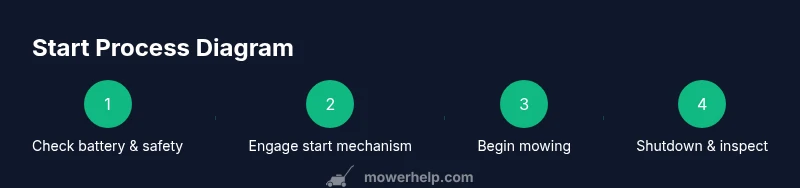
This section provides a practical overview to complement the step-by-step instructions later. Begin by performing quick checks: ensure the blade is free to turn, the battery or power source is connected, and all safety interlocks function properly. Next, engage the start mechanism with a smooth, deliberate action, then listen for the engine to catch. If it hesitates or sputters, pause and recheck battery power, choke position, and spark plug condition. Once running, adjust the throttle to the mower’s ideal mowing setting and maintain a steady pace, avoiding sudden throttle changes that can stall the engine. After mowing, return the engine to off and allow the blade to come to a complete stop before inspecting the deck for clogs or debris.
The key to a smooth start is consistent routine: charge the battery before long mowing sessions, inspect connections, and keep the area clear. If you’re new to electric start mowers, practice on a small patch before tackling larger lawns to build confidence and speed.
Maintenance to Keep the Electric Start Reliable
Regular maintenance is essential to keep an electric start mower performing well across seasons. Start with battery care: use the recommended charger, avoid deep discharges, and store the battery in a cool, dry place when not in use. Clean the engine bay and remove grass clippings that can insulate and overheat the starter components. Check wiring for wear or corrosion, and replace any damaged connectors promptly. Inspect the ignition switch and safety interlocks for signs of wear, as a loose switch can cause intermittent starts. Finally, keep the air filter clean and the blade sharp; a well-maintained blade reduces load on the engine and helps it start easier over time.
Following a routine schedule for filter changes, blade sharpening, and battery maintenance will extend the life of your mower and minimize start-up issues. Keep a small maintenance kit on hand with a few spare fuses, battery connectors, and a can of compressed air to clear debris from delicate components.
Troubleshooting Common Electric Start Issues
If the electric start won’t engage, begin with basic checks: confirm the battery is charged, ensure all safety interlocks are engaged, and inspect for loose or corroded connections. A dead battery is the most common culprit, so try a full charge or test with a multimeter if you have one. If the engine cranks but won’t start, inspect the spark plug, fuel, and air filter for signs of fouling or clogging. In cold weather, electrical resistance increases; give the battery a moment to warm or pre-warm by keeping it in a warmer area before starting. If the starter relay or solenoid clicks but doesn’t turn the engine, you may need to replace the relay or inspect the wiring harness. For models with a pull-start backup, use it as a contingency while diagnosing the electric start system.
If you notice intermittent starts or unusual noises, consult the user manual for model-specific diagnostic steps or contact a qualified technician. Keeping the battery and connections clean is often the simplest preventative measure to avoid many of these issues.
Buying, Upgrading, or Replacing Your Electric Start System
When deciding whether to upgrade or replace an electric start system, compare battery life, charge time, and compatibility with your mower model. Look for a battery with a reputable discharge cycle and a charger that matches the battery’s voltage. If the current battery is aging or loses capacity quickly, replacing it with the same or a higher-capacity unit can restore reliable starts. Consider model compatibility, warranty terms, and the availability of replacement parts. If you’re purchasing a new mower, evaluate how the electric start integrates with other features like blade quality, deck size, and overall weight. A well-chosen model will reduce maintenance headaches and improve day-to-day mowing efficiency.
Authority Sources and Further Reading
- External sources offer in-depth guidance on mower maintenance and safety. See the following references for foundational information and safety best practices that support this guide. These sources can help you verify recommendations and explore advanced maintenance topics.
Tools & Materials
- Safety glasses(ANSI Z87.1 rated or equivalent)
- Work gloves(Rugged construction with padded palms)
- Screwdriver set (Phillips and flathead)(For access panels and belts)
- Combined spark plug wrench(To inspect or remove spark plug)
- Battery charger compatible with mower battery(Fully charges before use)
- Clean rags and a bottle of mild degreaser(For degreasing adapters and connectors)
- Small wire brush(Clean terminals and cooling fins)
- Owner’s manual for model-specific steps(Essential reference)
Steps
Estimated time: 30-45 minutes
- 1
Inspect and prepare
Visually inspect the mower for loose components, ensure blades spin freely, and verify the battery is present or power source is connected. Read the manual for any model-specific startup quirks and safety interlocks. This establishes a safe baseline before any start attempt.
Tip: If you find damaged wiring, do not attempt to start; consult service before use. - 2
Safety setup and area check
Put on eye protection, gloves, and long sleeves. Clear the work area of debris, rocks, and pets. Ensure the mower is on level ground and the work surface is dry to prevent slips during startup.
Tip: Always shut off the engine before leaving the mower unattended. - 3
Power-on health check
Confirm the battery is charged and properly connected. If there is a key, switch, or button, ensure it moves freely and isn’t jammed. Do a quick function test on the interlock to confirm starting sequences will engage.
Tip: If you hear no sound from the starter, re-seat the battery and retry after a minute. - 4
Engage start system
Activate the electric start via the switch or button as designed. If there is a choke, set it to the correct position for your current temperature and model. Only engage once everything is verified to prevent backfire.
Tip: Do not press and hold the start button for extended periods; follow model guidelines. - 5
Begin mowing technique
Once the engine starts, adjust throttle to a steady mowing speed. Maintain a comfortable pace that allows the blade to cut evenly, and avoid sudden throttle changes or rapid turning on slopes.
Tip: Let the mower warm up for 30 seconds before pushing through thick grass. - 6
Shutdown and post-mow checks
Turn off the mower and allow the blade to stop completely. Clean the deck surface to prevent buildup. Inspect spark plug, filter, and battery connections for any signs of wear after use.
Tip: Store battery in a cool, dry place and keep terminals clean.
Got Questions?
What is an electric-start push mower?
An electric-start push mower uses an electric motor to spin the engine and start mowing with the push of a button or turn of a key, instead of pulling a cord manually. It often relies on a battery or power source and includes safety interlocks for secure operation.
An electric-start push mower uses a button or key to start, powered by a battery, with safety interlocks for secure operation.
Do all push mowers have electric start?
No. Electric-start is a feature available on selected models. Some push mowers rely solely on a manual pull-start mechanism. Check the product specifications to confirm whether electric starting is included.
Not all push mowers have electric start; check the model specs to confirm.
What should I do if the electric start button won’t engage?
First verify the battery is charged and connected, and that safety interlocks are functioning. If the issue persists, inspect wiring for loose connections or corrosion and consult the manual for model-specific diagnostics.
If it won’t engage, check the battery and interlocks, then inspect wiring and consult the manual for your model.
Can I use an electric-start mower in cold weather?
Yes, but battery performance may drop in cold conditions. Allow the battery to warm up if possible and avoid prolonged cranking. Store battery in a warmer area when not in use and use the backup pull-start if your model provides one.
You can use it in cold weather, but expect lower battery performance and consider warming the battery if possible.
How often should I replace the battery?
Battery life varies by model and usage. If the mower struggles to start, holds a charge poorly, or drains quickly, replace with the manufacturer-approved battery to restore performance.
If it struggles to start or drains fast, consider replacing the battery with the approved unit.
Is electric start safer than pull start?
Electric start reduces manual strain and the risk of backfire from a hard pull. However, both systems require careful safety practices, proper maintenance, and a clear work area to minimize hazards.
Electric start reduces strain and backfire risk, but always practice safe maintenance and clearing your area.
Watch Video
The Essentials
- Start with a safety-first setup and area check.
- Electric start requires a healthy battery and clean connections.
- Regular maintenance reduces start failures and extends mower life.
- Use the backup pull-start only when necessary and keep the area clear.