Toro Lawn Mower 190cc: Buyer's Guide and Maintenance
Discover the Toro lawn mower 190cc: performance insights, maintenance tips, blade care, and a practical buying guide for homeowners and DIY enthusiasts.


What the 190cc Engine Means for Toro Performance
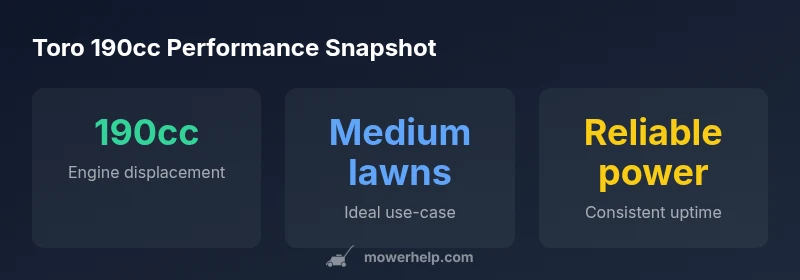
The 190cc engine displacement marks Toro's mid-range option for homeowners. This size typically provides reliable torque for standard suburban lawns without excessive fuel use. For the toro lawn mower 190cc category, you’ll find dependable performance with adjustable cutting heights, bagging or mulching options, and straightforward starting systems. The engine’s mid-range displacement translates to smoother starts in moderate weather and predictable fuel consumption, which is useful for DIYers who split mowing across weekends. When comparing with smaller engines, the 190cc models deliver improved torque on dense or taller grasses, while still remaining manageable for users who may be new to gas mowers. End-user reviews often highlight reliable operation and easy-to-control handling in typical backyards.
Key Features to Compare Across Toro 190cc Models
Not all Toro 190cc mowers are identical, but several shared features help buyers gauge value. Look for adjustable cutting heights, typically via a central lever, and a deck designed for easy cleaning and blade access. Bagging, mulching, and side-discharge options influence final maintenance and waste handling. Self-propelled systems offer reduced effort on slopes, but may add weight and cost. Start systems vary from pull-start to electric start; confirm compatibility with your preferred routine. Construction quality—consider deck material and wheel durability—affects long-term reliability. Finally, check for compatibility with common Toro replacement parts, the availability of service centers, and warranty terms.
Maintenance Essentials for a Toro 190cc Lawn Mower
Proactive maintenance extends the life of a Toro 190cc mower. Begin with a seasonal check: inspect the air filter, spark plug, and oil level; replace as recommended by the owner’s manual. Clear the deck of grass buildup to prevent corrosion and ensure efficient cutting. Sharpen or replace the blade when the edge dulls; dull blades reduce mowing efficiency and strain the engine. Check belts for wear and proper tension; ensure wheels rotate smoothly. Store fuel with a stabilizer for off-season periods and run the engine briefly before the first use of the season to ensure proper lubrication circulation.
Buying Guide: Choosing Between Toro 190cc Models for Your Yard
Before purchasing, map your yard's size, terrain, and typical mowing frequency. Medium-sized lawns with gentle slopes often pair well with 190cc power, but consider model features such as mulch-capable decks, wash-out ports, and ergonomic handles for ease of transport. Compare warranty terms and dealer support, which influence long-term maintenance costs. If budget is a constraint, identify features you can compromise on (e.g., mulching vs bagging) while ensuring essential capabilities like height adjustment and blade access. Finally, check whether local dealers stock the model you want and confirm the availability of spare parts.
Common Pitfalls and Troubleshooting
Common issues with 190cc Toro mowers include starting difficulties in cold weather, clogged air filters, and dull blades that reduce cutting efficiency. If the engine is hard to start, verify the spark plug condition and fuel quality; stale fuel is a common culprit. Regularly inspect and clean under the deck to prevent grass buildup that can hinder airflow. If mowing feels underpowered, consider blade sharpening or deck cleaning; if performance remains inconsistent, a professional diagnosis may be needed to assess carburetor or belt wear.
Long-Term Maintenance Plan and Replacement Parts
Create a simple, seasonal maintenance schedule to keep your Toro 190cc mower performing at its best. Annual actions include blade replacement if the edge is damaged, oil changes per the manual, and air-filter maintenance. Keep spare parts like belts, spark plugs, and filter elements on hand for quick replacements. Use manufacturer-approved parts to maintain warranty coverage. For stored seasons, drain fuel or add a stabilizer, store in a dry place, and ensure the mower is clean and dry before storage.