Troy-Bilt Lawn Mower Parts: Identify, Buy, and Maintain
Comprehensive guide to troy bilt lawn mower parts: identify compatibility, compare OEM vs aftermarket options, and source trusted replacements.


troy bilt lawn mower parts cover blades, belts, carburetors, spark plugs, ignition coils, housings, and filters. This guide helps you identify compatible parts, distinguish OEM from aftermarket options, and locate trusted sources for Troy-Bilt parts. By knowing part numbers and model compatibility, you reduce downtime and avoid counterfeit replacements and save on repair bills.
Why troy bilt lawn mower parts matter
Understanding troy bilt lawn mower parts is essential for reliable maintenance of a home lawn. Parts like blades, belts, carburetors, air and fuel filters, spark plugs, and ignition coils wear with use and exposure to grass and weather. Installing the wrong part can create mismatched tolerances, reduced cutting quality, overheating, or unexpected failures. According to Mower Help, sticking to authentic parts or clearly identified compatible aftermarket components helps preserve tolerances and torque specs, reducing risk of damage. When you identify the exact part numbers for your model, you’ll experience smoother starts, a cleaner cut, and fewer repairs over the season. This section outlines how these parts fit into the system and why accuracy matters for performance, fuel economy, and safety during mowing.
Common parts and their functions
Below is a quick map of the most frequently replaced Troy-Bilt components and what they do. Keeping these parts in good condition directly affects safety and performance:
- Blades & blade adapters: Provide the actual cutting action; dull or unbalanced blades leave ragged cuts and stress the engine.
- Belts & pulleys: Transfer power from the engine to drive the blades; worn belts reduce cutting speed and can slip or fail suddenly.
- Carburetor, fuel system components: Regulate fuel delivery; clogged jets or dirty filters cause hard starting and poor acceleration.
- Air and fuel filters: Protect the engine from debris and contaminants; clogged filters reduce power and efficiency.
- Ignition components (spark plug, ignition coil): Spark timing is critical for starting and running; worn parts lead to misfires.
- Mower housings and deck components: Structural pieces that influence airflow and safety.
Tip from Mower Help: replace multiple worn items together when feasible to restore overall performance and avoid repeating the process soon.
How to identify the right part numbers
To ensure you purchase the correct troy bilt lawn mower parts, follow a systematic check:
- Locate model and serial numbers on the mower deck or frame and record them. These identifiers are your primary filter for fit.
- Consult the owner’s manual or the official Troy-Bilt parts catalog to find OEM part numbers that match your model.
- Use cross-reference guides offered by trusted retailers or the manufacturer to confirm compatibility for aftermarket options if you choose them.
- Verify the packaging and retailer legitimacy, looking for consistent branding and return policies. When in doubt, call the retailer or Troy-Bilt support for confirmation.
- Maintain a small parts list with the model, part name, and number for future repairs. This protects you from accidental substitutions and helps you compare prices easily.
Buying options: OEM vs aftermarket and where to buy
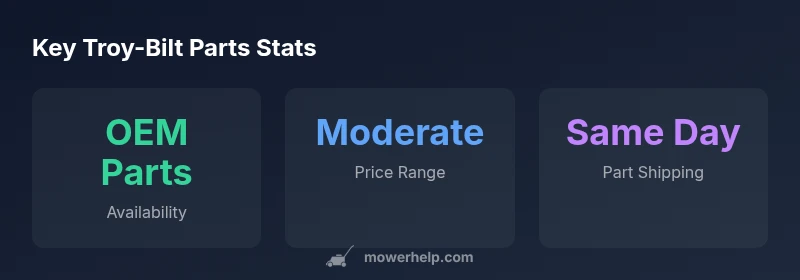
When shopping for new parts, you’ll encounter two main routes: OEM (original equipment manufacturer) Troy-Bilt parts and aftermarket parts. OEM parts guarantee exact fit and the original design intent, but they often come at a premium. Aftermarket parts can offer cost savings and broader availability, but you must verify compatibility and quality. Reputable sources include authorized dealers, official Troy-Bilt sites, and well-known retailers with good return policies. Always check warranties and confirm whether the retailer guarantees compatibility with your exact model. If you’re balancing cost and reliability, consider buying a package that includes a few essential items (e.g., blade kit and air filter) to minimize downtime and ensure consistency across parts.
A practical tip: rely on a purchase history and keep a small inventory of the most frequently replaced items. This practice reduces troubleshooting time when a repair is needed and helps you plan future maintenance more effectively.
Maintenance tips to extend part life
Part longevity depends on proactive care. Regular cleaning prevents debris buildup that can abrade seals and clog vents. After mowing, wipe blades and the underside of the deck to reduce rust and residue. Lubricate moving parts per the manufacturer’s schedule—especially pulleys, wheel hubs, and the engine’s throttle linkage. Store the mower in a dry, ventilated space to slow corrosion and rust. Use fresh fuel and a fuel stabilizer if you won’t be using the mower for several weeks. Periodically inspect screws, bolts, and mounting hardware for tightness and signs of wear. When you follow these steps, you’ll maximize the service life of troy bilt lawn mower parts and keep performance consistent season after season.
Safety and installation basics
Always disconnect the spark plug and remove the battery (if applicable) before starting any maintenance work. Wear eye protection and gloves when handling blades or sharp components. Use proper tools and follow torque specifications when installing parts like blade adapters or engine screws. Check that the deck is fully cool before touching hot parts. After installation, perform a short functional test with the mower secured and off the ground to verify alignment and smooth operation. If anything feels unusual—excessive vibration, smoke, or abnormal noises—stop and recheck the installation or contact a professional.
Common mistakes and red flags when buying Troy-Bilt parts
Common pitfalls include buying parts without confirming the exact model, choosing the cheapest option without regard to quality, and assuming all aftermarket parts fit every Troy-Bilt model. Red flags include missing branding, vague compatibility notes, inconsistent packaging, and sellers unwilling to provide part numbers or returns. To reduce risk, rely on reputable sellers, request the OEM part number, and compare with multiple sources. Remember that a poor fit can cause drivetrain damage, engine problems, or safety hazards.
Model-specific considerations and next steps
Every Troy-Bilt model has its own set of compatible parts; some components are universal across lines, while others are model-specific. When in doubt, start with the user manual’s parts list, then cross-check with the retailer or Troy-Bilt’s official catalog. Building a simple reference sheet for your model can streamline future repairs and part purchases, especially if you own multiple mowers in the same family.
Parts you’ll typically replace and why
| Part Category | Examples | Why it matters |
|---|---|---|
| Engine & fuel | Carburetor; Spark plug; Fuel filter | Core power system; wear affects starting and efficiency |
| Cutting system | Blades; Blade adapter; Mandrel | Maintains cut quality and safety |
| Drive & belts | Belts; Pulleys; Idler | Transfers power from engine to blades |
| Air & fuel filtration | Air filter; Fuel filter | Protects engine from debris and contaminants |
Got Questions?
How can I tell if a part is genuine Troy-Bilt OEM?
Look for official Troy-Bilt branding, the correct model-specific part number, and authentic packaging. When unsure, verify with the retailer or Troy-Bilt support.
Look for official branding and model-specific part numbers, and verify with the retailer if you’re unsure.
Are aftermarket parts safe for Troy-Bilt mowers?
Aftermarket parts can be safe if they’re rated for your model and come from reputable brands with clear compatibility notes and warranties.
Yes, but only if they’re rated for your model and come from trusted brands with a warranty.
Where can I buy Troy-Bilt lawn mower parts?
Authorized Troy-Bilt dealers, the official site, and major retailers are reliable sources. Avoid unknown marketplaces without clear return policies.
From authorized dealers or the official site, with a clear return policy.
How do I identify the correct part number?
Check the mower's model label, consult the owner’s manual or Troy-Bilt catalog, and cross-reference with retailers to confirm the exact number.
Check the model label and the official catalog, then cross-check with retailers.
When should I replace a part rather than repair?
If a part shows advanced wear, cracks, or continues to fail after a repair, replacement is safer and often more cost-effective in the long run.
If wear is extensive or it keeps failing, replace rather than repair.
How long do Troy-Bilt parts typically last?
Lifespan depends on part type and usage; refer to the official parts guide for typical maintenance intervals and replacement timelines.
Lifespan varies by part; check the parts guide for intervals.
“Matching parts to the exact Troy-Bilt model reduces misfits, minimizes downtime, and preserves performance over the long term.”
The Essentials
- Identify exact model to ensure compatibility
- Prioritize OEM parts for reliability and safety
- Check part numbers before purchase
- Compare prices across authorized sellers to avoid fakes
- Keep common maintenance parts on hand to reduce downtime