Fix Lawn Mower Engine: A Complete How-To Guide for Homeowners
A complete, educational guide on diagnosing and repairing common lawn mower engine issues. Learn safe practices, practical diagnostic steps, and preventive maintenance to keep your mower running smoothly in 2026.


This guide shows how to fix lawn mower engine safely and effectively. You’ll begin with a quick diagnostic, then gather the right tools and follow a structured repair workflow. The instructions cover common failures, safety precautions, and essential post-repair maintenance to prevent future breakdowns. By the end, you’ll be equipped to decide whether to DIY minor fixes or call a pro, with clear next steps.
Fix lawn mower engine: Understanding the basics
A lawn mower engine is a compact powerhouse with several vital systems that must operate in harmony: the air intake, the fuel delivery, the ignition, and the exhaust. When you set out to fix lawn mower engine issues, begin with the simplest, most common problems before diving into more involved repairs. For homeowners, the safest and most effective approach blends basic diagnostics with targeted maintenance rather than a full teardown. According to Mower Help, starting with a clear plan and the right safety precautions reduces risk and increases the chances of a successful repair. This foundation article explains how to identify symptoms, evaluate likely causes, and decide whether a fix is something you can handle or a signal to seek professional help.
The goal is to build confidence through a repeatable process: observe, hypothesize, test, and act. You’ll gain a solid framework for troubleshooting that applies whether you’re dealing with a 4-stroke gasoline engine, a small two-stroke unit, or a modern ergonomic mower. Remember that engines wear differently depending on use, fuel quality, and storage conditions, so expect some variability from model to model. Each repair path should start with safety and end with reliable testing to confirm that the fix worked.
Symptoms that signal a problem
Lawn mower engine symptoms are often clues rather than final answers. Common signs you may need to investigate include hard starts or no starts, intermittent idle or stalling, loss of power under load, excessive smoke, unusual noises like knocking or ticking, or poor fuel economy. If the engine runs briefly but dies, suspect fuel or ignition delivery issues. If it runs roughly, misfires, or backfires, the ignition timing, carburetion, or air intake are worth inspecting. Mower Help emphasizes documenting when symptoms occur (temperature, humidity, fuel type) to identify patterns and avoid misdiagnosis. Close visual checks—oil level, filter condition, and hose connections—can save time and prevent unnecessary teardown. Always consider safety first: shut off the engine, remove the spark plug wire, and work in a well-ventilated area before touching moving parts.
Common root causes to check first
Fix lawn mower engine problems often trace back to a handful of predictable culprits. Stale or dirty fuel can leave varnish in the fuel system, clogging jets and starving the engine of fuel. A fouled or worn spark plug reduces ignition efficiency, while a clogged air filter restricts air and lowers combustion quality. Carburetor issues—such as varnish buildup or a sticking choke—are another frequent cause, especially after fuel sits for weeks. Additionally, low oil level, improper oil type, or a misadjusted idle or throttle linkage can create performance drops. Finally, see if the air intake, muffler, or exhaust path is blocked by debris. A disciplined approach is to test one subsystem at a time rather than replacing parts at random. This increases the odds of a successful fix without unnecessary expense.
Safety and preparation before you begin
Prioritize safety before any repair work on a lawn mower engine. Clear the work area of bystanders, remove the battery if you’re working on an electric model, and disconnect the spark plug wire to prevent accidental starts. Work in a well-ventilated space away from flames or sparks because fuel vapors are highly flammable. Gather the right protective gear: safety glasses, gloves, and closed-toe shoes. If you’ll drain fuel or oil, have an approved container ready and clean rags on hand to catch spills. Keep a fire extinguisher nearby. Finally, consult your mower’s manual for model-specific safety instructions and torque specs. A careful start-up plan reduces risk and protects you while you diagnose and repair the engine.
Diagnostic mindset and tests you can safely perform
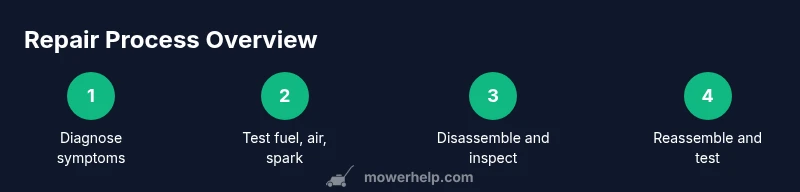
A methodical diagnostic mindset helps you fix lawn mower engine problems without guesswork. Begin with the three fundamentals: fuel, air, and spark. Check fuel quality and ensure it’s fresh; drain old fuel if needed and replace with clean gasoline. Inspect and replace the air filter if dirty. Test for spark with a spark plug tester or by grounding the plug next to a grounded metal surface while cranking the engine. If you don’t see a bright blue spark, the ignition system may need repair. For compression checks, you may use a gauge to confirm the engine develops sufficient compression; low compression indicates internal wear and may require skilled service. Document results to guide your next steps and avoid unnecessary disassembly.
Planned repair strategy: replace or rebuild
Decide whether you should replace a component or perform a rebuild based on the diagnostic results and the mower’s value. If a single part like a spark plug or air filter is fouled or worn, a straightforward replacement often resolves the issue and keeps costs low. If multiple symptoms point to carburetor issues, compression loss, or crankcase wear, evaluate the cost of parts and labor against the value of the mower and the effort required for proper overhaul. In many cases, repairing a carburetor or replacing worn ignition components is worth it if the rest of the engine is sound. If in doubt, consult an experienced repair technician or refer to official repair manuals. The decision should balance safety, cost, and the likelihood of a durable fix.
The parts and tools that influence outcome
The tools you choose and the parts you replace directly affect repair success. Use quality replacement spark plugs, air filters, carburetor kits, and, when needed, proper OEM parts or reputable aftermarket equivalents. Keep the model’s specifications handy for gap settings and torque values. Tools such as a spark plug wrench, screwdrivers, socket set, pliers, and a compression tester make the job smoother. Keep a clean workspace, label hoses and wires as you disconnect them, and inspect gaskets and seals for wear. With careful parts selection and the right tools, you can improve the odds of a durable fix and avoid recurring problems. If you see significant engine wear, it may be more cost-effective to replace the mower rather than pursue an extensive repair.
Maintenance essentials after repair to prevent future engine problems
After you fix lawn mower engine issues, a quick maintenance routine can prevent repeat failures. Change the engine oil if your mower uses a four-stroke engine, and replace or clean the air filter. Use fresh fuel and a stabilizer if it will be stored for more than a few weeks. Clean the cooling fins and the exterior to prevent overheating. Inspect the spark plug gap and replace when necessary. Finally, run the mower through a test cycle to ensure it starts reliably and maintains a steady idle. Adopting a short maintenance schedule—seasonally or after a set number of hours of use—significantly reduces the likelihood of future breakdowns.
When to seek professional help
Some fixes are best left to professionals, especially when the problem involves compression checks, crankcase wear, or carburetor rebuilds beyond basic cleaning. If the engine shows signs of major wear, or if you lack the proper tools or a safe workspace, consult a qualified mower technician. In the long run, a professional assessment can save time and prevent costly mistakes. If you decide to seek help, bring a concise list of symptoms, recent maintenance performed, and any test results you collected. This information helps the technician diagnose and quote accurately.
Tools & Materials
- spark plug wrench(Select the correct plug type and gap according to your mower model.)
- socket wrench set(Includes deep sockets for spark plug and engine bolts.)
- screwdrivers (Phillips and flathead)(Used to remove covers and fasteners.)
- carburetor cleaner spray(For varnish removal; avoid soaking gaskets.)
- fuel stabilizer and fresh gasoline(Stale fuel causes poor combustion.)
- replacement air filter(Match model and ensure proper seating.)
- replacement spark plug(Same thread size and reach as original.)
- compression tester(Diagnose internal wear; compare to manual specs.)
- multimeter (optional)(Tests for ignition or sensor circuits if applicable.)
- engine oil (for 4-stroke)(Check oil type and capacity per manual.)
- rags and safety glasses(For cleanliness and eye protection.)
- owner's manual(Model-specific guidance and specs.)
Steps
Estimated time: 60-120 minutes
- 1
Safety setup and initial shutdown
Power down the mower and unplug any accessories. Remove the spark plug cap to prevent accidental starts, and let the engine cool if recently used. This creates a safe baseline for diagnosis.
Tip: Always remove the spark plug wire and wear eye protection before touching moving parts. - 2
Inspect fuel and air intake
Check fuel for freshness; drain stale fuel if present and refill with fresh gasoline. Inspect the air filter for dirt or oil buildup and replace if necessary.
Tip: Never mix dirty fuel with a clean air intake; clean filters improve combustion. - 3
Test ignition system
Remove the spark plug, reinstall or test with a spark tester, and verify a strong, consistent spark. Check the plug gap against the manufacturer’s specification.
Tip: A weak spark often points to a worn coil or fouled plug. - 4
Assess compression
Connect a compression tester and crank the engine to gauge compression against manual specs. Low readings indicate internal wear that may require further service.
Tip: Record numbers for comparison after any fixes. - 5
Clean or rebuild the carburetor
If you suspect carburetor varnish, remove it and clean jets and passages with carburetor cleaner. Do not damage gaskets; replace them if torn.
Tip: Avoid soaking gaskets in cleaner; replace if they show wear. - 6
Reassemble connections and check timing
Reinstall parts, ensuring hoses, fuel lines, and ignition connections are secure. Confirm there are no loose wires or mismatched components.
Tip: Use photos taken during disassembly to guide reassembly. - 7
Initial test start
Start the engine in a well-ventilated area and observe idle quality, acceleration, and exhaust. Address any abnormal noises or smoke before running under load.
Tip: Keep hands and clothing away from moving parts during start-up. - 8
Post-repair maintenance and test
Change oil if applicable, replace the air filter, and run the engine to verify steady operation under light load for 5–10 minutes.
Tip: Document the maintenance steps for future reference.
Got Questions?
What are the most common reasons a lawn mower engine won’t start?
Common causes include stale fuel, a fouled spark plug, a dirty air filter, or a clogged carburetor. Checking these areas first often resolves the issue.
Most starts fail because fuel, spark, or air isn’t delivering properly; check those areas first.
Is it safe to attempt lawn mower engine repairs myself?
Many routine maintenance tasks are suitable for DIY with proper safety gear and the right tools. For complex issues like major internal wear, professional service is advised.
You can tackle simple fixes at home if you follow safety guidelines, but seek a pro for big problems.
How do I know if my carburetor needs to be rebuilt?
If the engine runs rough, stalls, or misfires after fuel and air checks, varnish and clogged jets are likely culprits, and a rebuild or kit may be needed.
Carburetor problems show up as rough running or poor idle, often from varnish buildup.
What safety gear is essential when working on a mower engine?
Wear eye protection, gloves, and sturdy clothing. Work in a ventilated area and keep a fire extinguisher nearby.
Goggles, gloves, and good ventilation are essential when working on engines.
How often should I perform preventive maintenance on a mower engine?
Follow the owner’s manual; typically include oil checks, air filter cleaning or replacement, and fuel stabilization. More frequent maintenance is recommended for heavy use.
Seasonal maintenance helps prevent problems and keeps the engine reliable.
What are signs that internal wear requires a professional overhaul?
Low compression, persistent smoking, unusual noises, or repeated performance drops can indicate wear that needs professional inspection.
Low compression and odd noises suggest deeper issues that should be handled by a pro.
Watch Video
The Essentials
- Diagnose before disassembly and start with simple fixes
- Keep a clean, labeled workspace to speed repairs
- Use fresh fuel and clean air/ignition components for best results
- Test start and run under light load to verify repair success
- Follow manufacturer specs for oil, torque, and gap settings