Lawn Mower Oil SAE 30 vs 10W-30: Which Oil Is Right For Your Mower?
A thorough comparison of SAE 30 and 10W-30 lawn mower oil, covering viscosity, temperature performance, seasonal use, and maintenance tips to help homeowners choose the right oil for optimal engine health.


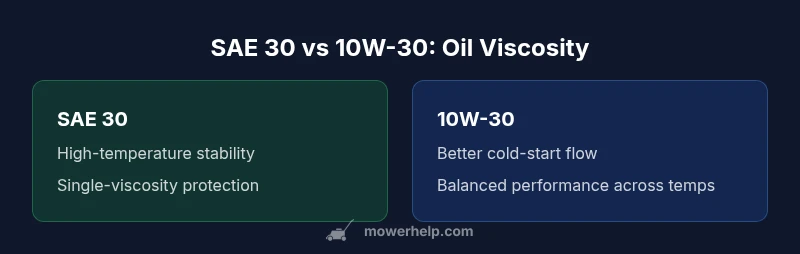
Choosing between lawn mower oil sae 30 vs 10w30 depends on climate, engine design, and maintenance needs. In warm regions, SAE 30 provides steady protection with simpler starting and stable viscosity at operating temps. In cold weather or engines designed for multi-viscosity oil, 10W-30 improves cold starts and lubrication. Always follow the mower manufacturer’s viscosity recommendation.
What lawn mower oil sae 30 vs 10w30 Really Mean
Viscosity is the key idea behind any oil specification. The phrase lawn mower oil sae 30 vs 10w30 is not just about numbers; it represents a general choice between a single-viscosity oil optimized for heat (SAE 30) and a multi-viscosity approach that adjusts to temperature swings (10W-30). In practical terms, choosing the right viscosity affects how well the engine is lubricated during startup, under load, and in ambient heat. Mower engines rely on a thin, consistent film of oil to prevent metal-to-metal contact as pistons move and gears spin. When you compare lawn mower oil sae 30 vs 10w30, you’re weighing heat stability against cold-flow performance. For homeowners, understanding these nuances helps minimize wear across mowing seasons and keeps the engine reliable over time. This decision should align with climate, use patterns, and the engine’s design, rather than chasing a single best option.
According to Mower Help, selecting the correct viscosity is a balance between protection and ease of maintenance. The team emphasizes sticking to what the manufacturer prescribes while recognizing that climate variations can justify swaying toward a multi-viscosity option during transitional seasons. The question of lawn mower oil sae 30 vs 10w30 should start with the mower’s manual, which usually specifies a narrow viscosity range that is compatible with that particular engine family. Beyond the manual, your climate, storage conditions, and how aggressively you mow will influence the right choice. This approach keeps your engine healthy and your upkeep straightforward.
As you consider the practical implications, also note that the oil’s base type (conventional, synthetic blend, or full synthetic) interacts with viscosity. A synthetic formulation can handle heat slightly better and may resist thinning in hot weather, potentially broadening the viable window for either SAE 30 or 10W-30. Conversely, conventional oils can perform adequately with proper changes and stable temperatures. The takeaway is simple: your decision should be grounded in the mower’s design, the climate you operate in, and a consistent change schedule that matches your local mowing habits.
Comparison
| Feature | SAE 30 | 10W-30 |
|---|---|---|
| Viscosity profile | Single-viscosity performance optimized for heat | Multi-viscosity balance of cold starts and heat resistance |
| Cold-start performance | Less flexible in cold temps | Improves startup flow in cooler conditions |
| Best climate | Hot, stable temperatures and steady loads | Temperate to variable temperatures with seasonal use |
| Maintenance impact | Stable, fewer changes for summer-only use | Requires attention to seasonal changeovers if weather swings |
| Engine compatibility | Traditional four-stroke engines following single-viscosity guidance | Engines designed for multi-viscosity oils benefit from 10W-30 |
| Oil-change intervals (guidance) | Follow manual; generally aligned with warm-season use | Follow manual; may be linked to milage or seasonal schedule |
Benefits
- Widely available and easy to source
- SAE 30 performs reliably in hot climates with fewer seasonal changes
- 10W-30 offers better cold-start protection in cooler weather
- 10W-30 can be compatible with engines designed for multi-viscosity oils
Cons
- Using the wrong viscosity can reduce lubrication and increase wear
- Oil choice should match the manual to avoid compatibility issues
- Seasonal changes can complicate maintenance if you switch viscosities often
- Synthetic options may cost more and require more careful warranty considerations
10W-30 is generally the more versatile choice for climates with temperature variation; SAE 30 remains a solid option for hot, steady conditions.
In environments with cold starts and fluctuating temperatures, 10W-30 provides broader protection. In consistently hot climates, SAE 30 offers stable lubrication with fewer variables. Always align with the mower’s official viscosity guidance and perform regular oil changes.
Got Questions?
Is SAE 30 suitable for all lawn mower engines, or are there exceptions?
SAE 30 is a long-standing option for many small engines, especially in warmer climates. However, some manufacturers specify different viscosities based on engine design, warranty, or operating conditions. Always verify with the owner’s manual before switching from the recommended viscosity.
Most engines tolerate SAE 30 in warm weather, but consult the manual for exceptions and avoid guessing when it comes to viscosity.
Can I mix SAE 30 and 10W-30 in the same mower oil fill?
Mixing oils of different viscosities is not recommended. If you start using a new viscosity, drain and replace the oil so you have a clean, consistent specification across a single oil change interval.
Avoid mixing oils; always drain and refill with one viscosity per change.
How often should I change lawn mower oil?
Follow the mower’s manual for intervals, which are usually linked to seasonality or hours of use. Use clean, fresh oil and replace the filter if the model includes one.
Check the manual for intervals and perform changes at the start of each mowing season or after a set period of use.
Is synthetic oil better for lawn mowers than conventional oil?
Synthetic oils offer marginally better temperature tolerance and wear protection, but many homeowners succeed with conventional or synthetic blends when used as directed. The key is matching viscosity and following the manufacturer’s guidance.
Synthetic can be advantageous, but it’s not a universal requirement; follow the manual.
Will changing viscosity affect warranty coverage?
If you use a viscosity that meets the manufacturer’s specifications, it should not void warranty. Using an oil outside the recommended range can create warranty concerns, so follow the manual.
Keep within the recommended viscosity to avoid warranty issues.
What about two-stroke vs four-stroke engines in lawn mowers?
Most residential mowers are four-stroke and require oil in the crankcase. Two-stroke designs mix oil with fuel, which uses a different lubrication approach. Always use the right type of oil for the engine design.
Two-stroke engines require oil mixed with fuel; four-strokes use crankcase oil.
The Essentials
- Prioritize the manufacturer’s viscosity guidance in the owner’s manual
- Choose 10W-30 for climates with temperature variation
- Choose SAE 30 for hot, stable operating conditions
- Consider climate, maintenance habits, and engine design when deciding