How to Sharpen Lawn Mower Blade
Learn how to safely sharpen your lawn mower blade with hands-on steps, tools, safety tips, and maintenance guidance to keep your mower cutting cleanly.


Goal: Learn how to sharpen a lawn mower blade safely and effectively. This guide covers choosing the right sharpening method, step-by-step actions, safety gear, and post-sharpening checks to ensure a clean, even cut. You’ll learn how to assess blade condition, remove and sharpen it, balance the blade, and reinstall with proper torque for reliable mowing.
Why sharpen lawn mower blade matters
According to Mower Help, blade sharpness dramatically influences cutting quality and engine load. A dull blade tears grass, leaves jagged edges, and forces the engine to work harder, which can shorten the mower’s life. Sharpening a blade restores the edge so the mower slices through blades cleanly, producing a neat, even cut and reducing clump formation. In practice, a sharp blade means less effort for you, better lawn health, and lower maintenance costs over time. This section explores how blade sharpness translates into real-world results for your yard and mower performance, plus how to identify when a blade is worth sharpening versus replacing.
First, understand that a properly sharpened blade doesn’t just cut; it also improves suction and discharge consistency. When the edge is crisp, grass blades are sliced rather than crushed, which reduces bruising and disease risk at the leaf surface. You’ll also notice less resistance as the mower moves, which can translate into longer battery life on electric models or improved fuel efficiency on gas mowers. Finally, keep in mind that consistent edge quality supports even mowing contours and reduces the need for multiple passes over tall or thick areas.
Throughout this guide, we’ll reference practical field tips, safety habits, and common-sense checks to help homeowners and DIY enthusiasts perform blade sharpening with confidence.
Blade sharpening vs blade replacement: when to swap
In many cases, sharpening a mower blade is sufficient to restore top cutting performance. However, aggressive damage demands a replacement instead of sharpening. Key indicators to replace rather than sharpen include visible cracks, large chips near the mounting hole, severe bending, or any sign of corrosion that compromises the blade’s integrity. If the blade has lost more than a third of its original thickness, re-sharpening will degrade performance and pose a safety risk. If you’re uncertain, consult your mower’s manual or a trusted service guide—some blades are designed with specific geometries that replacement parts cannot faithfully reproduce. In general, replacement blades tend to be affordable and ensure consistent results, particularly for high-demand mowing tasks such as thick turf or uneven terrain.
When choosing to sharpen, plan to restore a clean, uniform edge on both sides (if the blade is symmetric) and avoid removing too much material. This preserves blade strength while delivering a sharp cutting edge. If the edge appears hollow after a few passes, or if you notice significant heat discoloration during sharpening, pause and reassess—the edge may be compromised and should be replaced to prevent wheel and engine strain.
Sharpening methods: hand file vs bench grinder
There are two common approaches to sharpening mower blades: hand filing and using a bench grinder or belt sander. Hand filing is gentler on blade material and gives you precise control over the bevel and edge geometry. It’s ideal for fresh blades and for maintaining a consistent edge on both sides. If you go this route, use a flat file for flat edges and a round file for curved edges, making long, smooth strokes from base to tip.
A bench grinder or angle grinder can remove material quickly and is useful for heavily nicked blades or when you have several blades to service. It’s important to apply light, controlled pressure and to wear PPE, while avoiding overheating the edge, which can temper and soften steel. If you use a grinder, work in short bursts, keep the blade moving, and periodically cool it in water to prevent softening. Regardless of method, aim for a uniform, sharp edge with a consistent bevel rather than a jagged, uneven edge. After sharpening, inspect both sides for symmetry to prevent one-sided cutting.
Another practical option is a sharpening stone or a dedicated blade sharpener designed for mower blades. These tools can offer a middle ground between hand filing and grinding, providing decent control and reduced risk of overheating while still delivering a clean edge. Choose the method that matches your comfort level, blade condition, and available tools.
Remember: maintain the blade’s original geometry and balance as you sharpen. Over-sharpening or removing material from one side more than the other can lead to vibrations and uneven mowing results. If in doubt, test on a scrap patch of grass or consult the blade manufacturer guidelines.
Safety gear and prep steps
Before handling any blade work, prepare a safe workspace. Wear sturdy gloves to protect your hands from sharp edges and eye protection to guard against chips. Ensure the mower is powered off and unplugged (for electric models) or the spark plug is disconnected (for gas models) to prevent accidental starts. Lift the mower onto a stable work surface or use a strong workbench, and secure it with a wheel chock or clamps to prevent movement.
Keep a clean area with good lighting. Have rags and a solvent or degreaser handy to remove grass residue and oil from the blade. If you’re using a grinder or file, ensure ventilation is adequate to avoid inhaling metal dust. Finally, establish a plan for blade removal and reattachment before you start so you avoid mid-task confusion or unsafe reassembly.
A deliberate safety routine reduces the risk of injury and helps you work more efficiently. While confidence is helpful, don't rush—sharp blades require careful handling and steady motions.
Step-by-step planning and technique overview
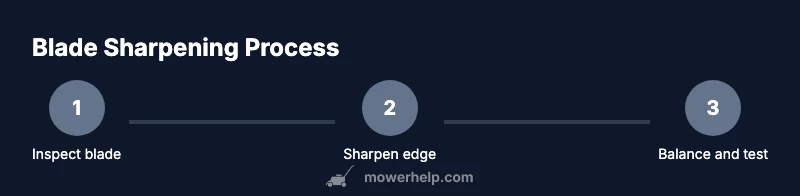
Sharpening a mower blade is a multi-step process, but with careful planning it becomes straightforward. Begin by choosing your sharpening method (hand file, grinder, or sharpener) based on blade condition and your comfort level. Remove the blade, inspect for damage, and determine whether a replacement is needed. If sharpening, establish a consistent bevel and edge geometry by using long, smooth motions and applying even pressure across the edge. Balance is critical: an unbalanced blade will vibrate and wear faster, so test balance after sharpening and adjust by removing material from the lighter side if necessary.
During sharpening, prevent overheating by pausing to cool the blade when needed. After finishing, recheck both sides for symmetry and confirm the edge is razor-sharp but not fragile. A well-sharpened blade should cut with minimal resistance and leave a smooth, clean edge on the turf surface. Finally, reattach the blade with the proper orientation and secure torque as specified by the mower manufacturer.
Blade removal and reattachment considerations
The removal process is as important as the sharpening itself. Start by disconnecting the spark plug wire or removing the battery, then raise and secure the mower. Using the correct socket size, loosen and remove the blade retaining bolt, and identify the blade’s orientation. Clean any built-up grass and debris around the mounting area to ensure a proper fit on reinstallation. When reattaching, align the blade with the deck’s alignment marks and tighten the bolt in a cross pattern to distribute pressure evenly. Do not over-tighten, as this can strip threads or damage the blade center bore. After reinstalling, double-check the blade’s alignment and spin it by hand to verify there’s no contact with the mower parts.
Note that some modern mowers use a reverse-threaded bolt or a separate locking nut—always consult your manual if you encounter unusual hardware. If the blade shows signs of fatigue or cracking, replace it rather than attempting a risky salvage.
If you’re unsure about the blade’s compatibility or mounting, seek guidance from the manufacturer or a professional service. The goal is a safe, secure, and correctly oriented blade ready for a standard mowing test.
Balancing and testing your cut quality
Balanced blades reduce vibration and improve mower performance. A simple balance test can be done by placing the blade on a nail or a blade-balancing tool to see if it spins freely. If one side dips, remove a small amount of material from that side and recheck frequently. When balanced, reinstall the blade and run a test cut on a small patch of lawn. Observe the cut quality: a sharp, even surface with little tearing is the sign of a properly sharpened blade. If you notice shredded grass or uneven growth, revisit the edge and balance, and ensure the blade is installed correctly.
Remember to clear the area of trip hazards before test cutting, and keep bystanders away during the test. A well-balanced blade contributes to a cleaner cut and longer mower life.
Post-sharpening maintenance and storage
After sharpening, wipe the blade clean and apply a light coat of oil to prevent rust during storage. Inspect for any remaining nicks or corrosion and handle them appropriately. Store blades and sharp tools in a dry, secure location away from children and pets. Regular maintenance—cleaning the mower deck, checking blade torque, and sharpening on a consistent schedule—extends mower life and reduces repair needs. If your mowing conditions vary seasonally, plan sharpening cycles to align with your peak usage period.
Keeping a maintenance log can be helpful, noting blade condition, sharpening date, and replacement history. With proper storage and routine upkeep, your mower blade remains ready for action across growing seasons.
Common mistakes and how to avoid them
Common mistakes include sharpening only one side, overheating the blade, failing to balance after sharpening, and reusing a damaged blade. Avoid these by sharpening evenly on both edges, using intermittent sharpening bursts, balancing before reinstall, and replacing blades showing cracks or significant wear. Never bypass safety steps or attempt to sharpen a blade with the mower still connected to power.
By following a disciplined approach and using the right tools, you’ll save time, get a better cut, and extend your mower’s lifespan.
Tools & Materials
- Socket wrench set (size to fit blade bolt)(Common sizes: 3/8-inch or 1/2-inch; verify with your model.)
- Safety gloves(Leather or cut-resistant; protect hands from sharp edges.)
- Safety goggles(Protect eyes from metal shavings.)
- Flat file (mill file) for edges(Keep strokes long and even.)
- Round file (optional for curved edges)(May speed edge creation on curved blades.)
- Bench grinder or angle grinder (optional)(For heavily nicked blades or multiple blades.)
- Blade balancing tool or nail for a makeshift balance(Ensure accurate balance after sharpening.)
- Rust-preventive oil or light machine oil(Prevent rust after storage.)
- Rags or paper towels(Keep area clean and dry.)
- Work surface or bench with secure clamps(Stability is essential during sharpening.)
Steps
Estimated time: 45-60 minutes
- 1
Power off and prepare workspace
Disconnect power from the mower (unplug or remove battery) and move the unit to a stable, well-lit workspace. Gather PPE and tools so everything is within reach before you begin.
Tip: Lock the wheels and clear the area to prevent movement during blade removal. - 2
Remove the blade from the mower
Use the appropriate socket to loosen and remove the blade retaining bolt. Note blade orientation so you reinstall it correctly.
Tip: If the bolt is stubborn, apply a penetrating oil and wait a few minutes before retrying. - 3
Inspect the blade for damage
Look for cracks, rust, and deep nicks. If you see any structural damage, replace the blade rather than sharpening.
Tip: A damaged blade can fail catastrophically under load. - 4
Secure the blade for sharpening
Clamp the blade in a vise or hold it firmly with a steady surface to prevent movement while you file.
Tip: Always file away from your body and wear gloves for protection. - 5
Sharpen the edge with a file
Use long, even strokes from base to tip on both sides to create a uniform bevel. Avoid removing material from one side more than the other.
Tip: Cool the blade if it heats up to prevent tempering the steel. - 6
Balance the blade
Check balance on a nail or balancing tool. If one side digs in, remove a small amount of material from that side and recheck.
Tip: A balanced blade reduces vibration and wear. - 7
Reinstall the blade and torque correctly
Reattach the blade with the same orientation and tighten the bolt to the manufacturer’s torque specification. Check that there is no contact with mower parts when manually spun.
Tip: Cross-tighten the bolt in a crisscross pattern for even load. - 8
Test cut and cleanup
Run a test cut on a small patch of lawn and observe the performance. Clean debris and apply light oil to prevent rust after use.
Tip: If the mower pulls to one side, re-check blade balance and mounting alignment.
Got Questions?
Can I sharpen a lawn mower blade without removing it?
Sharpening directly on the mower is not recommended because it’s difficult to access the edge safely and you risk damaging the cutting deck. Removing the blade allows even sharpening and proper inspection for cracks.
You should remove the blade to sharpen it safely and inspect for damage before sharpening.
What angle should I sharpen a mower blade?
Aim for a uniform, shallow bevel along the cutting edge. Maintain symmetry on both sides to ensure balanced cutting. If you’re unsure, follow the blade manufacturer's guidance.
Keep a uniform edge on both sides and don’t overdo the bevel; check the manual if uncertain.
How do I balance a sharpened blade?
Balance by setting the blade on a nail or balancing tool. If one side dips, remove a small amount from that side and recheck until it stays level.
Balance the blade by testing on a nail and adjust as needed.
How often should I sharpen mower blades?
Frequency depends on mowing conditions. Check edge sharpness after every 8-10 hours of use and sharpen when the edge shows dullness or tearing.
Check the edge after several mowing sessions and sharpen when it starts tearing grass.
Can I reuse a blade after sharpening if it looks fine?
Only if there’s no cracks, no heat damage, and the edge remains even. If in doubt, replace the blade for safety and performance.
Only reuse if there’s no damage and it cuts cleanly; when in doubt, replace.
Is it safe to sharpen blades on electric mowers?
Yes, but ensure the unit is unplugged and the battery is disconnected. Follow the same sharpening and balancing steps as with gas mowers.
Absolutely—just unplug or remove the battery, then sharpen and balance as usual.
The Essentials
- Identify when sharpening is appropriate versus replacing.
- Use proper safety gear and secure the blade before sharpening.
- Maintain a uniform edge and balance for best mowing results.
- Reinstall with correct torque and test on small area to confirm safety.
- Regular maintenance saves time and extends mower life.