Toro Lawn Mower Blades: Replacement & Maintenance Guide
Learn how to choose, replace, and maintain Toro lawn mower blades for optimal cut quality. This guide covers blade types, safety, sharpening vs replacement, and practical maintenance tips for DIY homeowners.


This guide helps you identify the right Toro lawn mower blades for your deck, safely remove and replace them, and decide between sharpening or replacement. You’ll learn how to assess blade wear, ensure proper orientation, and test the mower after installation. Essential tools, safety steps, and model-specific tips are included to keep your lawn looking sharp.
Understanding Toro blade types
For homeowners, understanding the right toro lawn mower blades is the first step to a cleaner cut. The term toro lawn mower blades refers to the blades designed to fit Toro-brand decks and cutting systems. Toro offers multiple blade styles to optimize performance depending on your mowing goals. The most common categories are high-lift blades for bagging and strong suction, mulching blades that recut clippings to return nutrients to the lawn, and specialty blades that blend features for different deck designs. When selecting blades, consider your deck width, blade length, and compatibility with your mower model. The Mower Help team emphasizes checking the mower manual or Toro’s official specifications to confirm blade profile, bolt pattern, and orientation. Mismatched blades can reduce cut quality and cause vibration.
How to identify the right Toro blade for your mower
Identifying the correct toro lawn mower blades begins with your mower model and deck size. Start by locating the model number and noting the deck width. Measure the blade length if needed and confirm the bolt pattern and blade orientation arrows on the blade. Always cross-check with the mower manual or Toro’s official compatibility list to ensure you’re selecting the exact blade type (high-lift, mulching, or specialty). Remember, the same deck width can support different blade profiles depending on the cutting system, so model-specific guidance is essential. The goal is to match both the profile and the mounting hole layout for a secure fit and balanced cut.
Safety-first: prepare to work
Before you touch any blade, make safety the top priority. Disconnect the power source: unplug any battery, disconnect spark plug wire for gas models, and remove the power cord for electric mowers. Put on cut-resistant gloves and safety glasses. Clear the work area of obstacles, and have a stable, well-lit surface. If you’re unfamiliar with your mower’s blade layout, consult the operator manual or Toro support resources. A calm, organized workspace reduces the risk of accidental cuts or misalignment when you handle the blade.
Removing and inspecting Toro blades
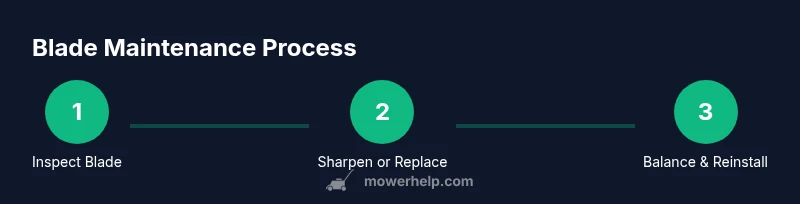
Start by stabilizing the mower on a flat surface and ensuring there is no power source connected. Remove the blade bolt using the appropriate socket or driver while holding the blade in place to prevent it from rotating. Once the blade is free, inspect it for cracks, chips, bends, or excessive wear. A damaged blade should be replaced rather than sharpened. If the blade is dull but intact, you can proceed to sharpening; otherwise, replace with a compatible Toro blade. After removal, clean the spindle and blade mounting area to remove old grease or grass buildup that could affect seating.
Sharpening vs replacing: when to do each
Sharpening is appropriate for blades that are dull but free of cracks and structural damage. Maintain a consistent edge angle and remove burrs carefully. If you see chips, cracks, heavy rounding, or a blade edge that can’t be restored with a file, replacement is the safer option. Always balance a blade after sharpening to avoid vibrations that can damage the mower and lead to an uneven cut. When in doubt, consult Toro guidelines or a mower-service professional for blade suitability and safety considerations.
Balancing and reinstalling the blade
Balancing helps ensure smooth operation and prevents motor strain. After sharpening or replacing, check the blade balance using a simple blade balancer or a nail test (blade mounted and hung to see if it sits level). If the blade tips and weights are uneven, remove some material evenly from the heavier side or replace the blade. Reinstall the blade with the correct orientation, ensuring the blade’s bevel edge points in the intended direction of rotation. Tighten the bolt to the manufacturer’s torque specification, then recheck for any movement or wobble before starting the mower.
Testing, maintenance, and buying guidance
With the blade reinstalled, perform a slow test in a clear area to check for unusual vibrations or noise. If everything runs smoothly, begin mowing at a comfortable pace and monitor cut quality. Regular maintenance includes cleaning the blades after use, inspecting for wear every 8–12 mowing sessions, and replacing blades at first sign of damage or significant dullness. When buying blades, choose a blade type that matches your mowing goals (mulching vs bagging vs combining features) and ensure compatibility with your Toro model. Keeping spare blades on hand reduces downtime and helps you maintain a sharp edge throughout the mowing season.
Tools & Materials
- Socket wrench or driver(Choose size that fits blade bolt (often 1/2 inch or 13 mm).)
- Safety gloves(Cut-resistant and snug-fitting.)
- Safety glasses(Eye protection from debris.)
- Genuine Toro blade or compatible blade(Verify compatibility with deck width and mounting pattern.)
- Blade balancer (optional)(Helpful for confirming balance after sharpening or replacement.)
- Rags or degreaser(Clean the spindle and mounting area before reinstall.)
Steps
Estimated time: 45-90 minutes
- 1
Prepare workspace and disconnect power
Park the mower on a flat surface, engage parking brake, and disconnect the power source. For gas models, unplug the spark plug wire; for electric/battery models, remove the battery or unplug the power cord. This prevents accidental blade movement during work.
Tip: Use a block of wood under the mower to keep it steady while accessing the blade. - 2
Identify the blade and locate the mounting bolt
Rotate the blade area slowly by hand to locate the mounting bolt. Note the blade orientation arrow and bevel direction. If you’re unsure, consult the manual or Toro support to confirm which blade type is installed.
Tip: Take a quick photo before removal to reference orientation when reinstalling. - 3
Secure and remove the blade bolt
Use the correct socket or driver to hold the blade in place and loosen the mounting bolt. Do not strike the blade with a hammer. Keep hands away from the blade edge and wear gloves.
Tip: If the blade won’t budge, apply a small amount of penetrating oil to the bolt threads and wait a few minutes. - 4
Inspect the blade for wear or damage
Check for straightness, cracks, chips, or heavy dulling. A damaged blade should be replaced; a dull blade may be sharpened if undamaged. Record observations to guide your replacement choice.
Tip: A chipped or bent blade is unsafe to reuse and should be replaced promptly. - 5
Decide between sharpening or replacement
If the edge is intact and only dull, sharpening is an option. If there are chips, cracks, or excessive wear, replace with a compatible Toro blade to maintain performance and safety.
Tip: Follow tool safety guidelines; avoid removing too much material when sharpening. - 6
Balance the blade after sharpening or replacement
Mount the blade on a balancer to ensure even weight distribution, or perform a simple balance check. An unbalanced blade can cause vibrations and damage to the mower.
Tip: If the blade tips hang, file the heavier side in small increments and recheck balance. - 7
Reinstall the blade with correct orientation
Place the blade on the spindle with the bevel facing the correct direction, reinstall the mounting bolt, and tighten to the manufacturer’s torque specification. Recheck that the blade sits flat and is secure.
Tip: Use a torque wrench if your manual specifies a torque value; common values are model-dependent. - 8
Test run and perform post-work checks
Reconnect power, start the mower in a safe area, and listen for unusual noises. Stop immediately if you notice wobble or vibration. Clean the area, wipe excess grease, and store tools properly.
Tip: Mow slowly on the first pass to verify cut quality and blade stability.
Got Questions?
What Toro blades are compatible with my mower model?
Compatibility depends on deck width and blade mounting pattern. Check your mower’s manual or Toro’s official specifications to confirm the exact blade profile and bolt pattern for your model.
Compatibility depends on your deck width and mounting pattern; consult the manual or Toro’s official specs to confirm.
Can Toro lawn mower blades be sharpened?
Yes, blades that are dull but undamaged can be sharpened. Maintain the original edge angle and avoid removing material excessively. If cracks or chips are present, replace the blade.
You can sharpen dull blades if they’re not cracked; keep the edge angle and avoid removing too much material.
How do I tell if a blade is dull or damaged?
Look for uneven cuts, frequent clogging, or obvious edge wear. Cracks, chips, or bends indicate replacement is necessary rather than sharpening.
If the cut is uneven or the edge has chips or cracks, replace the blade.
Should I balance a blade after sharpening?
Balancing helps prevent vibration and motor stress. Check balance with a balancer or simple nail test and adjust as needed.
Yes, balance the blade after sharpening or replacing to avoid vibration.
Is it safe to mow with a damaged Toro blade?
No. A damaged blade can throw shards and harm the mower. Replace the blade before continued use.
No—do not mow with a damaged blade; replace it for safety.
What torque should I use when reinstalling the blade?
Refer to your mower’s manual for the exact torque specification. If in doubt, use a torque wrench and tighten to the recommended value.
Check the manual for the exact torque value and use a torque wrench if possible.
Watch Video
The Essentials
- Know your blade type and model before purchasing.
- Always disconnect power and use protective gear.
- Replace damaged blades rather than attempting risky repairs.
- Balance after sharpening or replacement to prevent vibration.
- Follow Toro’s torque specs and installation guidance.