Home Depot Self-Propelled Lawn Mower Buying Guide 2026
Detailed buying guide for Home Depot self-propelled lawn mowers. Compare gas and electric models, features, maintenance, and warranties to help DIY homeowners choose confidently.


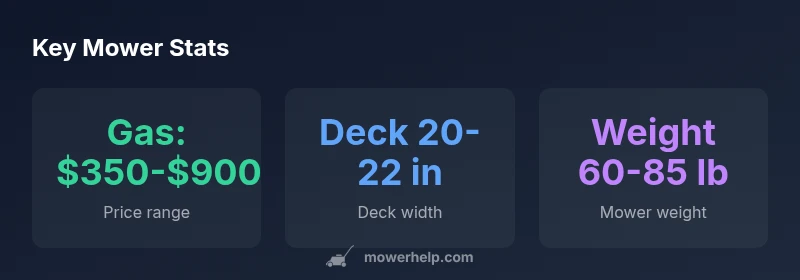
Gas-powered self-propelled mowers at Home Depot typically cost about $350–$900, while electric models usually range from $320–$750. According to Mower Help, the right choice depends on yard size, terrain, and maintenance willingness. Consider deck width, runtime, and warranty as you compare in-store and online options.
Why Home Depot Stands Out for Self-Propelled Mowers
For homeowners shopping for convenience, Home Depot offers a broad selection of self-propelled lawn mowers from gas and electric lines across price points. According to Mower Help, brick-and-mortar retailers provide hands-on demos, in-store guidance, and easy returns that help you validate fit before purchase. In addition to the wide product range, customers benefit from store pickup, financing options, and a robust warranty network. Home Depot's scale means you can compare multiple brands side by side, read user reviews in one place, and access seasonal promotions. When evaluating models, consider yard size, terrain, storage space, and how much maintenance you’re prepared to perform. The Mower Help team found that the best value often comes from balancing upfront cost with ongoing operating expenses, rather than chasing the lowest sticker price. This approach ensures the mower you choose remains reliable across seasons and weather conditions.
Gas vs Electric: What Home Depot Offers
Home Depot stocks both gas-powered and electric self-propelled mowers, each with distinct advantages. Gas models typically deliver strong cutting power and longer runtimes, making them suitable for larger lawns or rugged terrain. Electric models, including battery-operated variants, tend to be lighter, quieter, and require less ongoing maintenance. Availability varies by location and season, so it’s wise to compare in-store demonstrations with online specs. From a maintenance perspective, electric mowers generally incur fewer service needs, while gas mowers require regular oil changes and spark plug checks. According to general guidance in the DIY maintenance space, the trade-off is fuel convenience versus long-term hardware integrity. If you’re unsure, a quick in-store side-by-side can reveal which propulsion system feels most comfortable to operate on your terrain.
Deck Size, Power, and Run Time: Key Specs to Weigh
Deck width and power source directly impact mowing speed and efficiency. Home Depot’s self-propelled line commonly features decks around 20–22 inches, which strike a balance between maneuverability and cutting width for typical residential lawns. Gas-powered units often deliver higher sustained torque, useful on uneven ground or tall grass, while electric models benefit from instant torque and predictable performance. Run time on battery models varies with battery capacity and grass density—plan for shorter rounds on multi-acre properties. When evaluating, compare peak horsepower or torque ratings, battery voltage, and the availability of spare batteries or rapid-charging options. This helps ensure you won’t run out mid-yard on a sunny weekend, a common frustration for DIY landscapers.
Yard Size and Terrain: Matching Mower to Your Lawn
Yard size and terrain are the top drivers of the right mower choice. For small, flat yards, a compact electric self-propelled mower can deliver quiet operation and easy storage. Medium yards with gentle slopes often benefit from a mid-sized gas model for extended runtime and consistent power. Large or hilly properties may justify a higher-end gas mower with robust drive mechanisms. Storage space matters as well: heavier, bulkier units may require a dedicated corner of a garage. Mower Help's analysis emphasizes aligning mower capability with the typical mowing schedule and terrain, rather than chasing the most powerful unit if your lawn doesn’t demand it.
In-Store vs Online: Buying Tips for Home Depot Shoppers
Home Depot provides both in-store and online pathways to purchase self-propelled mowers. In-store visits let you see weight, height, and deck size firsthand, plus you can test maneuverability. Online shopping offers the convenience of home delivery or curbside pickup, and it’s easier to compare features across brands. Check for stock at your local store and verify if you can reserve a model for a demo. If you’re between models, use online reviews and video demos linked on product pages to guide your choice. The ability to return or exchange equipment within a specified window is another important factor to consider when shopping across channels.
Maintenance and Care After Purchase
Maintenance needs differ between gas and electric self-propelled mowers. Gas units typically require routine oil changes, air filter checks, spark plug inspection, and blade sharpening. Electric mowers use battery management practices, including proper charging, storage of lithium-ion packs, and occasional blade maintenance. Regardless of type, keep the underside clean, inspect wheels and drive belts, and replace worn blades promptly to sustain cutting quality. Establish a seasonal maintenance plan, including post-season storage and annual service checks. Regular inspections help prevent performance dips and extend the life of your mower, maximizing your Home Depot investment over years of use.
Warranty, Service, and Longevity
Warranty terms vary by brand and model, but most Home Depot purchases include coverage for at least one year on parts and labor, with longer warranties available on select models. For self-propelled mowers, inquire about drive system coverage, battery warranties for electric models, and what constitutes normal wear and tear. Service accessibility is another consideration; ensure nearby authorized centers and easy-to-find manuals. A well-maintained mower with a solid warranty tends to deliver reliable performance across several mowing seasons. The Mower Help team recommends documenting maintenance activities and saving receipts to simplify warranty claims and future resale.
Quick Maintenance Checklist and Final Tips
- Regularly remove grass clogs and clean the deck after use.
- Sharpen blades or replace them as needed to maintain cutting efficiency.
- For gas mowers, change oil and check air filters per the manual; for electric mowers, monitor battery health and storage conditions.
- Store mowers on a dry surface with proper protection, especially in extreme weather.
- Read and follow the manufacturer’s warranty terms to ensure coverage remains valid.
Conclusion and Next Steps
With the breadth of options at Home Depot, homeowners can find a self-propelled mower that fits their yard and budget. Use the buying guide approach: define yard size, terrain, and maintenance willingness; then compare power sources, deck sizes, and warranties. This method helps you avoid overpaying for features you won’t use while ensuring dependable performance across multiple mowing seasons. The Mower Help team recommends scheduling a test run in-store when possible and leveraging online comparison tools to finalize your decision.
Comparison of self-propelled mower types
| Model Type | Power Source | Pros | Cons |
|---|---|---|---|
| Gas-powered Self-Propelled | Gasoline engine | Strong performance; long runtime | More maintenance; louder operation |
| Electric Self-Propelled | Battery-powered | Quieter; lower maintenance | Limited runtime; charging needed |
| Manual Self-Propelled (no engine) | N/A | Low cost; simple | Requires user effort; less power |
Got Questions?
What defines a self-propelled mower?
A mower with a drive mechanism that helps move the unit forward, reducing user effort. Available in gas and electric variants for different yard needs.
Self-propelled mowers have a drive that moves the mower, making it easier to push, especially on slopes or thick grass.
Does Home Depot sell exclusive brands for self-propelled mowers?
Home Depot stocks major brands and often private label models; availability varies by location and season. Check online inventory or in-store displays.
Home Depot carries big brands and sometimes its own label options; availability varies by location.
What yard size is best for electric self-propelled mowers?
Electric models are typically ideal for small to medium yards with regular mowing needs and easy storage.
Better for small to medium yards with moderate mowing.
What safety features should I look for?
Look for blade brake, operator presence controls, and automatic shutoff to prevent accidents.
Make sure it has safety features like blade brake and a dead-man switch.
Can I buy a Home Depot self-propelled mower online for store pickup?
Yes. Many models are available for online ordering with in-store pickup or delivery; confirm stock at your local store.
Yep, you can order online and pick up.
What maintenance is required after purchase?
Follow the manual for routine tasks: blade care, lubrication, battery care for electric models, and seasonal storage.
Keep blades sharp and follow the manual for routine care.
“The right self-propelled mower depends on yard size, terrain, and maintenance willingness. Home Depot offers options across power sources to fit most homeowners.”
The Essentials
- Define your yard size to choose fuel type first
- Check deck width and mower weight for maneuverability
- Compare warranties and service coverage before purchase
- Use in-store demos for real feel and fit
- Evaluate battery runtime for electric models