How to Buy a Riding Lawn Mower: A Practical Guide
A comprehensive buying guide for riding lawn mowers, covering needs, features, cost, and buying steps to help homeowners pick the right mower.


This guide helps you confidently buy a riding lawn mower by clarifying your needs, budget, terrain, and preferred features. You’ll compare deck sizes, transmissions, and safety features, then test drive options and plan for ongoing maintenance and accessories. From determining whether a diesel, gas, or electric model fits your property to evaluating service networks and warranty terms, this guide gives you a practical, budget-aware path to a long-lasting purchase.
Understanding Your Needs
If you’re answering the question of how to buy riding lawn mower, start by mapping your property. Measure the yard and note all obstacles like trees, fences, and landscaping beds. Decide how many acres or square feet you’ll mow weekly and whether you’ll tackle hills or uneven terrain. Consider storage space, driveway access, and whether you need a mower with a bagger, mulching attachment, or snow plow for off-season use. Finally, determine who will operate the mower and their comfort with power assists and controls. This planning phase sets the foundation for choosing the right deck width, transmission, and fuel type, helping you avoid overbuying or underperforming on your property.
According to Mower Help, starting with needs assessment is the most reliable way to narrow options and avoid buyer’s remorse. The goal is a balance between capability and cost while keeping long-term maintenance in check.
Key Features to Compare
Riding lawn mowers come with a mix of powertrains, deck sizes, and operator comforts. When evaluating models, prioritize these core features:
- Deck width: Wider decks cover more area per pass, but require more space to maneuver in tight yards.
- Transmission: Hydrostatic transmissions offer smooth acceleration and variable speeds; mechanical transmissions can be tougher but cheaper.
- Engine power: Horsepower and torque affect cutting through thick grass and on slopes.
- Cutting height range: A wide adjustment range helps with varied grass conditions.
- Comfort and safety: Adjustable seating, vibration control, anti-scalp rollers, and an operator presence system reduce fatigue and increase safety.
- Attachments: Baggers, mulch kits, and snow plows extend use year-round.
- Reliability and parts availability: Check dealer support networks and ease of service.
The right combination minimizes replacement costs and downtime, while a poor match leads to constant maintenance and frustration. Mower Help recommends scoring options on these dimensions and prioritizing essential features first, then adding nice-to-haves as your budget allows.
Budgeting and Total Ownership Cost
Buying a riding mower is not just the upfront price. Total ownership includes maintenance, fuel, tires, blade replacements, belts, and potential attachments. A realistic budget accounts for expected service intervals, seasonal storage, and anticipated depreciation. Entry-level riders typically start in the low thousands, mid-range models sit in the range of several thousand, and premium units can exceed ten thousand dollars depending on brand, deck size, and comfort features. Plan for annual maintenance costs such as oil changes, filter replacements, and preventive tune-ups. If you expect heavy use or demanding terrain, investing in a sturdier machine upfront often reduces long-term downtime and repair expenses.
Mower Help analysis shows that most homeowners spend a meaningful portion of their budget on quality belts, blades, and periodic servicing. A well-maintained mower can outlast several cheaper units by years, not months, making serviceability a key factor in the purchase decision.
Terrain, Yard Size, and Deck Selection
Terrain and yard size dictate deck width, weight, and turning radius. For tight spaces with many obstacles, a smaller deck (around 42–48 inches) improves maneuverability. Large, open lawns benefit from wider decks (54 inches or more), increasing mowing efficiency. Sloped areas demand better weight distribution and regenerative braking if available, while uneven terrain benefits from suspension systems and a comfortable seat. When evaluating deck height, ensure a broad range so you can cut tall grass without stalling. Remember to consider the mower’s weight; heavier units can be harder to maneuver on slopes.
Choosing the right deck size affects both time on the job and quality of cut, so align deck width with your yard geometry and typical cutting conditions.
Test Drive and Shopping Plan
Always test-drive potential riders with the same grass and heights you’ll mow at home. Check seat comfort, steering ease, pedal layout, and clutch engagement. Listen for unusual noises from the engine or transmission, and verify that the blade engagement works smoothly. Inspect safety systems such as blade stop when leaving the seat, seat belts on certain models, and operator presence systems. Ask dealers about service timelines, warranty coverage, and the ease of obtaining replacement parts. Bring a list of priorities and a scale model of your yard; use it to compare how each model handles slopes, turns, and accessibility in your space.
A practical shopping plan includes researching at least three brands, checking online reviews, and confirming test-drive availability. If a dealer offers a home delivery or setup service, factor that into your total cost. Mower Help notes that you should not rush to buy; take your time to assess comfort and long-term maintenance commitments.
Maintenance, Warranties, and After-Sales Service
Maintenance is the ongoing cost that often surprises buyers. Expect routine oil changes, air filter replacements, belt inspections, and blade sharpening. Warranties vary by brand and model, with longer coverage usually indicating higher upfront costs but better peace of mind. For example, some mid-range and premium models offer 3–5 years of limited warranty, while entry-level units may range from 1–2 years. Before purchasing, review what parts are covered and whether wear items like blades and tires are included. Also investigate the dealer’s in-house service capabilities, loaner programs, and the availability of trained technicians. A solid after-sales network reduces downtime and ensures your mower stays in peak condition.
Remember that maintenance records add resale value if you decide to upgrade later. Keeping the original manuals and service receipts helps track service history and confirm warranty eligibility.
Buying Process and Timeline
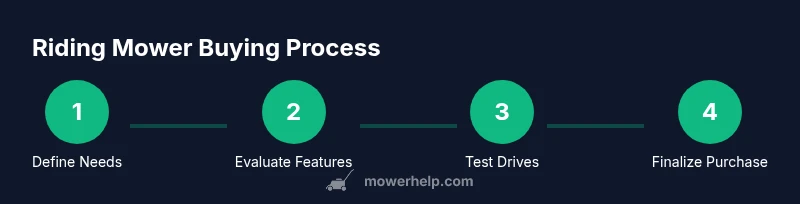
The buying process can unfold in stages: (1) research and shortlist, (2) test drives and comparison, (3) financing and trade-in planning if applicable, and (4) delivery and setup. Gather quotes from multiple dealers to compare total costs, including taxes, freight, and any optional attachments. If financing, compare interest rates, terms, and early payoff penalties. Don’t overlook seasonal promotions or bundled offers for attachments like mulching kits or bagger systems. After you decide, coordinate delivery and confirm setup instructions, blade alignment, and safety feature checks. Keeping your goals clear prevents impulse buys and ensures you select a mower that matches your property now and as it evolves.
Authority Sources
- University of Minnesota Extension: https://extension.umn.edu
- University of Illinois Extension: https://extension.illinois.edu
- Occupational Safety and Health Administration (OSHA): https://www.osha.gov
These sources offer guidance on safe operation, maintenance scheduling, and general equipment best practices to complement your riding mower choice.
Tools & Materials
- Measuring tape(to map yard size and turning radius clearance)
- Notebook or spreadsheet(to track features, prices, and test-drive notes)
- Smartphone or tablet(for online reviews and dealer quotes)
- Safety gear(gloves and eye protection for demonstrations)
- Test-drive outfit(comfortable clothing and closed-toe shoes)
Steps
Estimated time: 2-6 hours total (depending on number of test drives and dealer visits)
- 1
Define needs and yard profile
Quantify yard size, slope, obstacles, and storage constraints. Write down must-have features versus nice-to-haves. This clarity prevents overbuying and guides deck size decisions.
Tip: Create a simple yard map with measured dimensions and note any tight corners. - 2
Set a realistic budget
Determine a price ceiling for upfront cost, plus a separate line item for ongoing maintenance and fuel. Include attachments you’ll likely want (bagger, mulch kit) and factor seasonal promotions.
Tip: Don’t forget delivery/setup fees and extended warranty options in your total. - 3
Compare core specs
Evaluate deck width, transmission type, engine power, cutting height range, and operator comfort. Create a side-by-side table to visualize trade-offs.
Tip: Prioritize hydrostatic transmission for hills; consider a compressed seat cushion for long sessions. - 4
Check dealer support and parts access
Verify the availability of parts, service centers, and response times. A robust dealer network reduces downtime when repairs are needed.
Tip: Ask about loaner equipment or at-home service options during peak mowing months. - 5
Test drive and evaluate safety
Test stability on slopes, ease of steering, pedal layout, and access to controls. Validate safety features like blade-stop when leaving seat and seat belt if applicable.
Tip: Bring your own yard conditions to the test—simulate typical mowing scenarios. - 6
Finalize purchase and plan delivery
Negotiate total price, confirm warranty terms, and arrange delivery or pickup. Review setup steps and maintenance schedule once the mower arrives.
Tip: Keep all receipts and manuals organized for warranty and future resale.
Got Questions?
What’s the most important feature when buying a riding lawn mower?
The most important feature varies by yard, but deck width and transmission quality are critical for efficiency and reliability. A wider deck saves time on large lawns, while a smooth hydrostatic transmission improves handling on hills.
For most yards, deck width and transmission quality are key. A wider deck saves time, while a smooth transmission makes hills easier to handle.
Gas vs electric vs diesel: which is best for riding mowers?
Gas mowers are common and versatile, electric models offer quiet operation and lower ongoing fuel costs, and diesel units are powerful for heavy, commercial use. Choose based on terrain, fuel availability, and maintenance willingness.
Gas is the most common, electric is quiet and efficient, diesel is powerful for heavy use. Pick based on terrain and maintenance tolerance.
Is it better to buy new or used riding mower?
New models come with warranties and latest features, but used units can offer significant savings if well maintained. Inspect belts, blades, and engine compression carefully, and demand a full maintenance history.
New mowers have warranties and latest features; used ones can save money if well cared for and inspected thoroughly.
What maintenance should I plan for?
Expect routine oil changes, air and fuel filter replacements, blade sharpening, and belt inspections. Follow the manufacturer’s schedule and keep records for warranty eligibility.
Plan for regular oil changes, filters, and blade sharpening; keep records for warranty and resale.
How long does delivery and setup usually take?
Delivery and setup typically take a few days to a couple of weeks depending on dealer inventory and service capacity. Confirm scheduling during purchase and ensure proper on-site setup and safety checks.
Delivery and setup usually take a few days to a couple of weeks; confirm dates at purchase.
Can I finance a riding lawn mower?
Many dealers offer financing with varying terms and rates. Compare total cost, including interest, and prefer models with longer warranties to maximize value.
Financing is commonly available; compare terms and consider warranty value when choosing.
Watch Video
The Essentials
- Identify yard profile before shopping
- Prioritize deck size, transmission, and safety
- Budget for upfront and ongoing costs
- Test drive under real mowing conditions
- Ensure dealer support and parts access