Ride-On Lawn Mower Buying Guide: Finding the Right Model for Your Yard
Comprehensive buying guide for ride-on lawn mowers for sale. Learn sizes, power, transmissions, pricing ranges, maintenance, and smart shopping tips for homeowners and DIY enthusiasts.


A ride on lawn mower for sale is a mid- to heavy-duty mower designed for larger yards and frequent use. Look for models with ample horsepower, a wide cutting deck, durable transmissions, and a comfortable operator seat. Compare deck widths, drive types, and price ranges to identify options that fit your yard size and budget.
Market context for ride-on lawn mower for sale
The market for ride-on lawn mowers has evolved with more efficient engines, modern transmissions, and ergonomic designs. Homeowners shopping for a ride-on mower for sale should weigh yard size, terrain, and frequency of use to pick a model that balances power with maintenance cost. According to Mower Help, reliability and dealer support are foundational considerations for long-term satisfaction, especially for first-time buyers who want predictable service and parts availability.
Key types and layouts
Ride-on mowers come in several layouts, including traditional hydrostatic-drive riders, entry-level automatic transmissions, and higher-end models with more heavy-duty hydrostatic systems. The choice affects cut quality, ride comfort, and maintenance needs. For a typical residential lawn, a 42–54 inch deck is common, offering a balance between maneuverability and productivity. When evaluating options for sale, consider how the layout will handle obstacles like trees, slopes, and flower beds without sacrificing cutting width.
Power options and transmission systems
Power and transmission choices drive performance and reliability. Hydrostatic transmissions (HST) provide smooth, variable speed control ideal for changing yard layouts, while manual or automatic belts can offer lower upfront costs but may require more maintenance. For a ride-on mower for sale, align power output with yard size and terrain: larger properties with uneven terrain benefit from higher horsepower and robust hydrostatic systems. Remember that higher power generally means higher maintenance needs and fuel use.
Deck width, cutting height, and accessibility
Deck width determines productivity. Larger decks reduce mowing time on open spaces but can become cumbersome on tight corners. A 42–54 inch deck is typical for homeowners with medium to large properties. Cutting height range should accommodate seasons and grass health; look for adjustable ranges and easy-to-use levers. Accessibility features—like a comfortable seat, ample legroom, and straightforward belt access—reduce fatigue during long mowing sessions and improve overall satisfaction with a ride-on mower for sale.
Fuel choices, emissions, and maintenance costs
Most ride-on mowers for sale in the consumer market run on gasoline, with some models offering diesel options or battery-electric alternatives. Gas engines are common for their power-to-weight efficiency, but fuel economy and emissions vary by engine size and technology. Consider maintenance costs such as oil changes, air filters, spark plugs, and belt replacements, which scale with engine size and usage. If you have environmental concerns or want lower running costs, review battery-electric options and charging infrastructure.
Features that justify the price premium
Premium ride-on mowers for sale often include features like advanced hydrostatic drive, faster ground speed, higher-quality cutting decks, and ergonomic operator stations. Anti-scalp wheels, cruise control, and mulching capabilities can also justify higher price tags for homeowners with demanding mowing schedules. Weigh feature lists against maintenance access, dealer support, and expected lifespan to determine value. The goal is to balance initial cost with long-term durability and serviceability.
How to compare prices and find deals
Smart shopping for a ride-on mower for sale means balancing sticker price with total ownership costs. Compare dealer warranties, service networks, and the availability of parts in your area. Look for seasonal promotions, trade-in options, and bundled accessory packages that add value. Don’t overlook used or demo units from reputable dealers—these can be good deals if the mower has a documented service history and no major repairs.
Maintenance planning for ride-on mowers
Your maintenance plan should include regular oil changes, air filter checks, spark plug replacements, belt inspections, and blade sharpening or replacement. Check the steadiness of the cutting deck and the alignment of drive belts. Keeping a maintenance log helps track service intervals and parts needed. Consistent care extends the lifespan of your ride-on mower for sale and keeps performance high across seasons.
Final shopping checklist for a ride-on mower for sale
Before purchasing, verify deck width suitability, transmission type, and fuel type. Confirm warranty terms and dealer support, and request a test cut to assess cut quality and ride comfort. Take measurements of your garage or shed to ensure proper storage space, and calculate expected total ownership costs including fuel, oil, and parts.
Representative comparison of common ride-on mower configurations
| Model Type | Deck Width | Drive Type | Typical Price (new) | Best For |
|---|---|---|---|---|
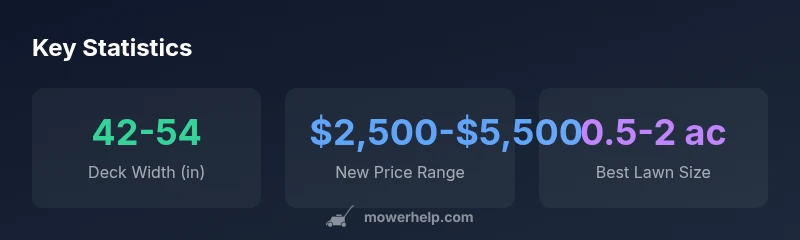
| Gas-powered rider | 42-54 inches | Hydrostatic | $2,500-$5,500 | Lawn 0.5-2 acres |
| Economy rider | 42-48 inches | Manual transmission | $1,800-$3,800 | Small to medium lawns |
| High-end hydro mower | 54-60 inches | Hydrostatic | $3,800-$6,500 | Large lawns with obstacles |
Got Questions?
What deck width is ideal for most residential lawns?
For most homes, a deck width of 42–54 inches offers a good balance of mowing speed and maneuverability. Consider your lot shape and obstacles; a wider deck saves time on open areas but may be harder to maneuver in tight spaces.
Aim for a 42 to 54 inch deck for typical residential lawns; it balances speed with maneuverability.
New vs. used ride-on mower for sale: which is better?
New models come with the latest features and full warranties, while used units can offer significant upfront savings if inspected and serviced. Always check the service history, blade condition, and hours of operation when considering used units.
Used units can save money if they’re well maintained and have clear service records.
Is a hydrostatic transmission worth the extra cost?
Hydrostatic transmissions provide smoother speed changes and easier handling on uneven terrain, which helps with large yards. They cost more upfront and may have higher maintenance costs, but often offer better long-term performance for frequent mowing.
Hydrostatic is typically worth it for larger yards if you value smooth control and less shifting effort.
What maintenance tasks are most important?
Prioritize regular oil changes, air filter cleaning, blade sharpening, belt inspection, and battery checks. A simple maintenance schedule keeps your ride-on mower for sale performing well and extends its lifespan.
Keep up with oil, air filter, blades, belts, and battery checks for best results.
Where can I find the best deals on ride-on mowers for sale?
Look for seasonal promotions at authorized dealers, check certified pre-owned inventories, and compare prices across multiple retailers. Don’t forget to consider delivery and setup as part of the total value.
Shop around during off-peak seasons and compare dealer offers to find the best deal.
“Choosing a ride-on mower is about balancing power, durability, and serviceability. The Mower Help Team recommends comparing deck width, transmission type, and dealer support to ensure long-term satisfaction.”
The Essentials
- Define your lawn size to pick the right deck width
- Evaluate transmission type for long-term reliability
- Budget for maintenance alongside purchase price
- Check dealer service network before buying