What You Need to Start a Lawn Mowing Business
Learn the essential steps, gear, licensing, pricing, and marketing strategies to launch a successful lawn mowing business. A practical, step-by-step guide for homeowners and DIY enthusiasts from Mower Help.


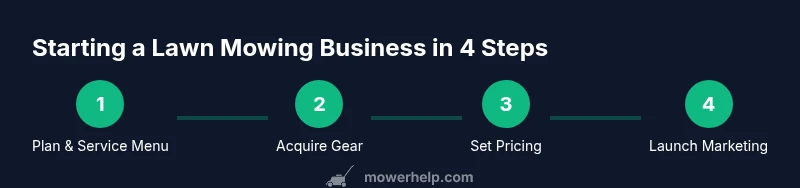
According to Mower Help, starting a lawn mowing business begins with a clear service plan, reliable gear, and proper licenses. Outline your service menu, secure essential equipment, and set transparent pricing and scheduling. This lean startup approach helps you land initial clients and grow sustainably.
Why starting a lawn mowing business is a practical option for homeowners and DIY enthusiasts
The demand for reliable lawn care remains steady in many neighborhoods, and a well-run mowing service can deliver recurring revenue with predictable workloads. The beauty of this business is its accessibility: you can start part-time while you learn the ropes and scale as you gain clients. An organized approach—defining your service scope, equipping a dependable fleet, and pricing fairly—helps you stay competitive and protect your margins. According to Mower Help, the most important early decisions are not just which mower to buy, but how you structure services, schedule jobs, and communicate value to customers. Start with a focused plan, then expand as you confirm demand and refine your process.
Defining your service offering and target market
Your first step is to decide what you will offer beyond mowing. Common bundles include mowing, edging around driveways and sidewalks, line trimming, leaf and debris cleanup, and seasonal cleanups. Create tiered packages (e.g., basic mow, mow + edge, full service with trimming) to give customers clear options. Think about your ideal customers: busy families, senior homeowners, rental properties, or small HOA clusters. Tailor your marketing and pricing to the needs of that group. Based on Mower Help analysis, many successful startups begin with a simple menu and expand services as they build trust and demand in their service area.
Essential gear and upfront costs
A reliable mower is the cornerstone, but you’ll also need a good trimmer, a blower, and edging tools to deliver a clean edge. PPE like gloves, eye protection, and hearing protection should be non-negotiable for safety. A portable fuel can, basic spare parts, and a small toolkit will keep you operational. A trailer or hitch-equipped vehicle helps you transport gear efficiently between jobs. Don’t forget a clean, organized workspace to store tools and a plan for fuel storage and maintenance. Start with the essentials; you can add specialty equipment as your client base grows.
Legal, licensing, and insurance basics
Licensing requirements vary by location, but most new mowing businesses should establish a legal business entity, register the trade name, and obtain any local permits if required. Insurance is a critical safeguard: general liability coverage helps protect you from property damage or injuries, and equipment coverage protects your gear from loss or theft. Keep copies of your certification, insurance documents, and business registrations accessible for clients who request them. If you work with property managers or HOAs, having a solid compliance and safety standard can set you apart.
Pricing, packages, and financial planning
Decide on a pricing model that fits your market: per-hour rates, per-yard pricing, or flat-rate packages. Consider factors like yard size, terrain, obstacles, travel time, and seasonal demand. Create a simple rate card and a doorstep quote process to keep expectations clear. Budget for recurring costs (fuel, oil, maintenance) and occasional large purchases (new mower or trailer). Use contracts or written estimates to avoid scope creep. As you grow, track revenue against expenses to ensure your margins stay healthy and scalable.
Marketing, branding, and customer acquisition
A strong initial presence helps you win early jobs. Build a simple website or a hosted landing page, claim your business on local directories, and utilize social media to showcase before/after photos. Invest in local marketing such as yard signs, door hangers, and neighborhood sponsor opportunities. Customer referrals can be your fastest growth driver, so offer incentives for reviews and referrals. Maintain consistency in your branding—logo, color scheme, and a clear message about reliability, safety, and value.
Building operations: scheduling, routes, and maintenance plan
Efficient routing reduces travel time and fuel use, which protects your margins. Use a simple scheduling system to assign days to neighborhoods, and plan routes that group nearby properties. Maintain a preventive maintenance calendar for your gear: regular blade checks, oil changes, air filter cleaning, and battery checks if you use electric equipment. A post-job checklist ensures you don’t miss essential steps like securing the site, cleaning tools, and noting any customer requests for the next visit.
Next steps: building a startup checklist
Create a one-page business plan outlining your services, pricing, and target clients. Gather essential gear, secure insurance, and register your business with the local authorities. Set up a basic invoicing system and a simple customer intake form. Roll out a modest marketing push in your initial service area and solicit feedback after the first few jobs to refine your process.
Tools & Materials
- Commercial-grade lawn mower(Gas or electric; choose based on service area and maintenance needs)
- String trimmer / edger(2- or 4-stroke engine preferred; keep line replacement on hand)
- Leaf blower(Corded or cordless; for debris cleanup)
- Safety equipment (PPE)(Gloves, eye protection, hearing protection; ANSI-rated gear recommended)
- Trailer or hitch-enabled vehicle(For efficient gear transport between jobs)
- Fuel, oil, and maintenance supplies(Keep in labeled, sealed containers; include spare parts)
- Basic toolkit(Screwdrivers, pliers, wrenches, multi-tool)
- Business documents(License/registration documents, proof of insurance, invoicing templates)
- Marketing materials(Business cards, QR codes, locally targeted flyers)
Steps
Estimated time: 4-6 weeks
- 1
Define your service and market
Identify the core services you will offer and the customer segments you will target. Create a simple package menu and determine which neighborhoods you’ll prioritize based on demand and accessibility.
Tip: Write a one-page service brief to share with clients and print on business cards. - 2
Acquire essential gear
Choose a reliable mower, a capable trimmer, and a blower. Ensure you have PPE and a basic toolkit. Set up a secure storage and transport plan.
Tip: Start with essential gear; avoid over-investing before you have paying clients. - 3
Set pricing and contracts
Develop a clear pricing structure with per-job and package options. Create simple estimates and a basic contract to confirm scope and timelines.
Tip: Include travel time and yard size in your quotes to avoid scope creep. - 4
Get licensed and insured
Register your business as required in your area and obtain general liability insurance. Keep documents accessible for clients and partners.
Tip: Consult a local insurance professional to tailor coverage to your equipment and clients. - 5
Launch marketing and outreach
Set up a simple online presence, claim local directories, and distribute targeted flyers. Encourage reviews and referrals from early clients.
Tip: Offer a small discount for first-time customers who sign a recurring schedule. - 6
Establish operations and safety routines
Plan efficient routes, maintain a post-job checklist, and schedule regular maintenance for all gear. Document any client preferences for future visits.
Tip: Use a whiteboard or app to track upcoming jobs and vehicle maintenance. - 7
Pilot and iterate
Test your service in a limited area, gather feedback, and adjust pricing, service mix, and scheduling. Use early wins to build confidence with clients.
Tip: Ask for a testimonial after completing a successful pilot job. - 8
Plan for growth
If demand expands, consider hiring help, expanding service lines, and upgrading equipment. Revisit insurance limits and licenses as you scale.
Tip: Set quarterly goals and review profit margins to stay on track.
Got Questions?
What licenses do I need to start a lawn mowing business?
Licensing varies by location, but most areas require a basic business license and general liability insurance. Check your city or state regulations and consult a local business advisor if needed.
Licensing depends on your location; at minimum you’ll likely need a business license and insurance. Verify local requirements before launching.
How should I price lawn mowing services?
Pricing typically depends on yard size, terrain, and frequency. Use per-hour or per-yard quotes and offer packages for recurring service to simplify billing and attract stable clients.
Base your prices on yard size and service frequency, and consider bundled packages for recurring work.
What equipment is essential for a beginner?
A reliable mower, a string trimmer or edger, a blower, essential PPE, and a trailer or vehicle for transport are the core needs to start.
Key gear includes a mower, trimmer, blower, PPE, and a transport solution.
Is insurance required for mowing lawns?
General liability insurance is highly recommended and can be a requirement for larger clients or HOA contracts.
Insurance is strongly advised and may be required by some clients.
How can I market my lawn mowing business on a budget?
Start with word-of-mouth, local signage, flyers, and a simple online presence. Encourage client reviews and referrals to build momentum.
Use local marketing and referrals—it's inexpensive and effective.
How long does it take to start earning money?
It depends on demand and your marketing, but many operators begin landing their first clients within weeks of launching outreach.
You can start earning in a few weeks if you reach the right customers and deliver solid service.
Watch Video
The Essentials
- Define a clear service menu and pricing.
- Acquire essential gear and safety gear first.
- Obtain licenses and insurance early.
- Focus on local marketing and referrals.
- Build efficient operations for scalable growth.