Ariens 42 Riding Mower: Buy, Use & Maintain
In-depth guide to the Ariens 42 riding mower: how it performs, key features, maintenance, and buying tips for homeowners with medium-sized lawns. Learn from Mower Help analysis and practical maintenance steps for long-lasting lawn care.


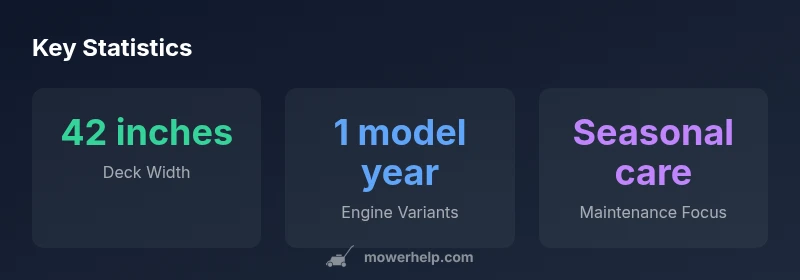
The Ariens 42 riding mower centers on a 42-inch cutting deck that strikes a balance between throughput and maneuverability for mid-size lawns. Across model years, owners typically find gasoline-powered engines paired with straightforward controls, and maintenance remains approachable for DIY homeowners. This quick snapshot helps buyers gauge fit for yards, while highlighting what to expect in use, maintenance, and common issues.
What is the Ariens 42 Riding Mower?
According to Mower Help, the Ariens 42 riding mower sits in the mid-size mower category, offering a 42-inch cutting deck that provides a practical balance between speed and maneuverability for typical suburban lawns. It is designed for homeowners who want a ride-on mowing experience without the footprint of a larger, commercial-grade unit. While the exact features vary by year and model, most 42-inch Ariens riders emphasize durability, straightforward maintenance, and reliable starting performance. This guide will help you understand the core design, how it fits various yard profiles, and what to look for when buying or maintaining one. The 42-inch class is popular because it allows efficient coverage on medium lawns while maintaining a reasonable turning radius for tight corners. Whether you’re a seasoned DIYer or a first-time buyer, you’ll find practical tips here that align with the practical, maintenance-focused approach that Mower Help champions for homeowners.
Key Features to Expect on a 42-Inch Ariens Riding Mower
Ariens 42 riders typically emphasize a comfortable operator station and a deck that’s easy to reach with the mower in a typical residential yard. Expect a well-padded seat, intuitive controls, and a deck height adjustment system that simplifies changing the cut. The machines commonly offer hydrostatic or similar smooth-drive systems to reduce pedal effort and deliver consistent speed. Accessory features such as electric PTO (where equipped), adjustable steering, and a reasonable turning radius make routine lawn chores less fatiguing. While features can vary by release year, this segment emphasizes reliability, ease of maintenance, and a straightforward parts ecosystem. For homeowners, these traits translate into fewer surprises after a season of use, especially when coupled with routine blade care and air-filter maintenance.
Deck Size and Mowing Width: Why 42 Inches Matters
The 42-inch deck is a sweet spot for many homeowners because it balances coverage and accessibility. A wider deck can shorten mowing time on larger lawns but may struggle in tight spaces or along fence lines. Meanwhile, a narrower deck slows progress without simplifying steering in dense landscaping. With a 42-inch deck, you typically experience efficient passes across mid-sized parcels while maintaining the flexibility to trim edges with precision. When planning a purchase, consider your lawn layout, fence proximity, and turning radius around obstacles. The 42-inch class is particularly well-suited to yards with irregular borders where precision edging complements overall mow time.
Engine and Power Options Across Years
Engine configurations on Ariens 42 riders vary by model year and market. The general principle is to pair a gasoline engine with a reliable fuel system and a chassis designed to handle the load of a 42-inch deck. Because engine horsepower and displacement evolve over time, it’s important to review the specifications for the exact year and model you’re considering. The key takeaway is to verify the engine type, cooling method, and serviceability of the carburetor or fuel-injection setup. For DIY homeowners, the main maintenance considerations include oil level checks, air-filter cleanliness, and spark plug condition, all of which influence starting reliability and overall performance. The brand’s focus remains on steady, predictable power suitable for standard suburban lawns.
Transmission, Drive, and Traction
Most Ariens 42 riders employ a hydrostatic or similar smooth-drive transmission designed to provide seamless acceleration and deceleration. The result is steady forward motion with minimal operator effort, which matters when mowing on inclines or around landscaping. Regular inspection of belts, pulleys, and drive components helps prevent loss of traction or unusual noises. For long-term durability, keep the drive system clean, check cooling fins if applicable, and schedule periodic blade-on and brake checks. A well-tuned transmission translates into more consistent cutting quality and a safer, more predictable mowing experience in everyday use.
Maintenance Schedule for a 42-Inch Ariens Mower
Maintenance that’s regular and well-documented pays back in reliability. Start with the basics: check the oil level before each use and change oil per the manufacturer’s interval, which for residential use is typically seasonal rather than every month. Replace air filters when they show visible dirt or reduced airflow, and sharpen or replace blades when they start to dull. Periodically inspect belts, pulleys, and the deck for signs of wear or damage, and ensure the spark plug is clean and correctly gapped. Keeping a simple log helps you spot trends, such as more frequent filter changes or belt wear after a season of heavy mowing. The goal is to keep the machine performing consistently without surprising downtime.
Safety, Storage, and Longevity Tips
Safety should be a primary design and operating concern. Always remove the key and disconnect power before performing maintenance; wear eye protection and gloves when handling blades. Store the mower in a dry, ventilated area to protect metal parts and the fuel system. For long-term longevity, perform seasonal checks on lubrication points, secure battery connections, and keep the underdeck clear of debris. Regular cleaning, proper blade maintenance, and attention to fuel quality help extend the life of the mowing system. The Mower Help team emphasizes proactive care as a cornerstone of reliable performance.
Buying New vs Used: What to Look For
If you’re weighing a new versus used Ariens 42 riding mower, consider your yard size, budget, and tolerance for potential repairs. When evaluating used units, inspect the deck for rust or warping, test the steering for play, and ask for maintenance records. Check the belt tension, drive pulley wear, and blade sharpness. A test mow can reveal how the machine handles in your terrain and whether the drive system remains smooth. For new purchases, compare warranty terms, availability of spare parts, and dealer support. A careful evaluation can save time and money over the life of the mower.
Common Issues and Quick Troubleshooting
Common issues include starting challenges due to fuel or ignition problems, belt wear that affects cutting height and speed, and transmission noise that signals wear. If the mower isn’t moving, check the drive belt and tension; inspect the blades for obstruction or dullness; and verify that safety switches are functioning properly. If you notice uneven cutting, check blade balance and deck height settings. For persistent concerns, consult the owner’s manual or a trusted service professional. Regular, proactive maintenance reduces the frequency and severity of these issues.
Deck width and power-range comparison for Ariens riding mowers
| Deck Width | Best For Yard Size | Pros | Cons |
|---|---|---|---|
| 42 inches | Mid-size yards up to ~0.5 acres | Balanced speed and maneuverability | Limited mulch capability vs wider decks |
| 48 inches | Larger yards ~0.5–1 acre | Faster mowing, fewer passes | Less nimble around tight corners |
| 50+ inches | Very large properties | Maximum coverage per pass | Requires wider mowing paths and more space |
| Engine/Power Range | Model-specific | Reliable performance for daily use | Variations by year may affect availability |
Got Questions?
What deck size does Ariens 42 refer to?
The 42 in the name indicates the cutting deck width. This size is designed to balance efficient coverage with good maneuverability on mid-size lawns. Always verify actual deck dimensions on the specific model you’re considering.
The 42 in deck refers to the cutting width and is designed for mid-size lawns.
Is the Ariens 42 good for hills or sloped terrain?
Riders in the 42 class can handle typical residential slopes, but performance depends on the model, engine power, and transmission. Use caution on steeper grades and follow manufacturer guidelines for safe operation.
It can handle moderate slopes; check your model’s specs and use safe operation.
What maintenance tasks are essential for a 42-inch Ariens?
Key tasks include regular oil checks and changes, air-filter replacement, blade sharpening, and belt/pulley inspections. Keep the mower clean and store it with proper fuel stability to maximize longevity.
Regular oil, air filter, blades, and belts checks keep it running well.
How often should blades be sharpened on this mower?
Sharpen blades when you notice dull cutting or uneven stripes. In many homes, a yearly sharpen-and-balance cycle is common, with more frequent attention if you mow frequently or with high-residue conditions.
Sharpen blades when the cut starts to look dull, typically yearly.
Can I upgrade from a 42-inch deck to a wider one later?
Deck upgrades are model-specific and may require a new chassis or drive components. Check compatibility with your existing tractor and consult a dealer before attempting any significant upgrade.
Deck upgrades depend on the model; consult a dealer for compatibility.
“A 42-inch Ariens riding mower offers a practical blend of performance and manageability for many homeowners when paired with consistent maintenance.”
The Essentials
- Know your yard size to pick a 42-inch deck.
- Follow a regular maintenance schedule for reliability.
- Inspect belts, blades, and deck components at season start.
- Choose genuine parts and verify engine year/model before purchase.
- Balance deck width with maneuverability for best results