Can Lawn Mower Air Filters Be Washed? A DIY Guide
Learn whether lawn mower air filters can be washed, how to identify filter types, and step-by-step foam-filter cleaning tips for DIY mower maintenance at home.


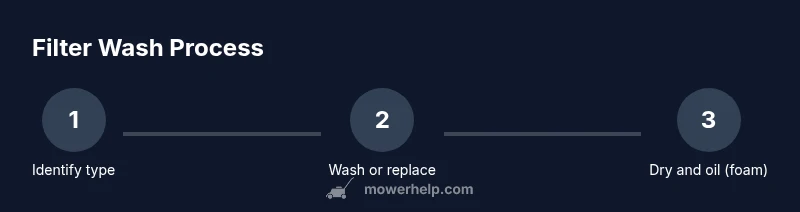
Yes, you can wash some lawn mower air filters, but it depends on the filter type. Foam filters are washable and reusable after proper cleaning and drying. Paper or pleated filters usually should be replaced rather than washed, and some foam filters require light oil after washing to restore filtration. Always consult your mower’s manual before proceeding.
What this guide covers and why it matters
Understanding whether lawn mower air filters can be washed is a practical skill for DIY mower maintenance. According to Mower Help, the filter sits in the air intake and protects the engine from dust and debris. When cleaned correctly, a washable filter can extend its life and save you money on replacements, while preserving engine performance. This guide focuses on identifying filter types, distinguishing washable foam from non-washable paper or pleated filters, and following safe cleaning and drying steps. You’ll learn how to tell if a filter is suitable for washing, the exact actions to take for foam filters, and when replacement is the better option. By applying these practices, homeowners and hobbyists can keep their mowers breathing clean air and running reliably through busy mowing seasons. Throughout, you’ll find clear steps, safety notes, and practical tips to avoid common mistakes that damage engines.
Foam filters vs paper vs pleated: washability implications
Most lawn mower air filters fall into three broad types: foam, paper, and pleated fabric. Foam filters are typically washable and reusable when cared for properly; paper filters are designed to be disposable and can deteriorate if exposed to water; pleated fabric filters sit somewhere in between and often require manufacturer-specific guidance. The key distinction is whether the filter’s construction holds up to immersion and whether re-oiling (for foam) is necessary after cleaning. According to the manufacturer’s instructions, some filters are clearly labeled as “washable” or “not washable.” If you’re unsure, treat it as non-washable and replace rather than attempting a wash. This choice protects engine accuracy and fuel efficiency while prolonging the life of the air intake system.
Foam filters: wash and restoration steps
Foam air filters are the most forgiving for washing, but they still require careful handling. Remove the filter housing cover and take out the foam element without shaking excess dirt into the intake. Rinse under cool running water to remove loose debris, then wash with a mild dish soap solution. Rinse thoroughly until no soap residue remains, gently squeeze out excess water (do not wring), and lay flat on a clean surface to air dry completely. Once fully dry, apply a light coating of foam filter oil if your model recommends it, then reassemble the housing. If the foam shows tears or significant wear, replace rather than wash. This process helps restore filtration while preserving engine protection.
Paper and pleated filters: why washing is not recommended
Paper and pleated filters are not designed to tolerate immersion in water. Washing can cause the fibers to break apart, leading to poor filtration and accelerated failure. If you accidentally wash a paper filter, dispose of it and replace with a new one. Pleated filters may be damaged by moisture and can be difficult to dry evenly, which also reduces filtration effectiveness. Instead of washing, gently tap to remove loose dirt, vacuum if possible, and replace when the filter looks dirty, clogged, or drenched with oil or fuel residue. Always consult the mower’s manual for the recommended replacement interval and approved filter type.
Drying, oiling, and reinstalling a foam filter
After washing foam filters, drying is the most critical step. Place the filter on a clean surface in a warm, ventilated area, away from direct heat or sunlight that could degrade the foam. This typically takes several hours; you can speed drying by patting with a clean towel and allowing air exposure. Once completely dry, apply a light layer of foam filter oil to restore filtration capacity and oil the surface as directed by your manual. Reinstall the filter carefully, ensuring a snug seal within the housing. Run the engine briefly to confirm there are no leaks and that the air intake is drawing air properly. If you notice fuel or exhaust odors, stop and re-check the installation.
When to replace rather than wash
If the foam filter is torn, excessively compressed, or shows signs of oil saturation that affects airflow, replacement is the safer option. Paper and pleated filters that become clogged or damaged should be replaced rather than washed. Regular inspection—ideally every few mowing sessions during dusty seasons—will help you catch wear early. Keeping a few spare filters on hand can make replacements quick and reduce downtime. Always use filters that meet your mower’s specifications to maintain proper airflow and engine protection.
Maintenance schedule and best practices
Adopting a simple maintenance schedule makes filter care manageable. Check your air filter at the start of the mowing season and after particularly dusty jobs. Clean foam filters every 25-50 hours of operation or when visibly dirty, following the steps outlined above. Replace non-washable filters according to the manufacturer’s recommended interval, typically once per season or sooner if performance drops. Store spare filters in a clean, dry place to prevent contamination. Keeping a routine helps sustain horsepower, fuel efficiency, and engine longevity over years of mowing.
Common mistakes and safety tips
Common mistakes include washing paper filters, using hot water, over-wetting the filter, and failing to dry completely before re-installation. Never touch the filter housing with dirty hands, and avoid forcing the filter in place if the seal is compromised. Disconnect the spark plug and ensure the mower is cool before servicing to prevent accidental starts. Use gloves and eye protection to keep dirt and cleaning chemicals away from skin and eyes. By following safety steps, you reduce the risk of engine damage and personal injury.
Quick-reference checklist
- Identify filter type (foam vs paper vs pleated).
- If washable, remove housing and inspect for damage.
- Wash foam with mild soap and cool water; do not wring.
- Dry completely before applying a light oil (if recommended).
- Reinstall securely and run the engine briefly to verify airflow.
- Replace non-washable filters rather than attempting a wash.
- Maintain a spare filter on hand for easy replacements.
- Follow the mower’s manual for model-specific guidance.
Authority and further reading
For additional guidance, you can consult credible, external sources: Extension services and environmental agencies provide general guidance on mower maintenance and air filtration care. Examples include: https://extension.illinois.edu, https://extension.umn.edu, and https://www.epa.gov. These resources offer broader maintenance principles that support safe, effective lawn care and engine protection.
Tools & Materials
- Gloves(Protect hands from dirt and cleaning solutions)
- Screwdriver(To remove air filter housing screws)
- Mild dish soap(Gentle cleaning solution)
- Warm water(For washing and rinsing)
- Soft-bristle brush(Loosen embedded debris without tearing)
- Rags or towels(Drying and wiping surfaces)
- Container or bucket(Soaking solution for foam filters)
- Foam filter oil or light mineral oil(Required only if your foam filter calls for oiling)
- Replacement air filter (foam or non-washable types)(Keep on hand if the current filter is damaged or not washable)
- Clean, dry surface for drying(Avoid contamination while drying)
Steps
Estimated time: Estimated total time: 20-30 minutes
- 1
Power off and access the filter
Ensure the mower is off and cool. Disconnect the spark plug, then remove the engine cover to access the air filter housing. This step prevents accidental starts and keeps dirt from entering the intake during service.
Tip: Keep screws organized and note their location for reassembly. - 2
Identify the filter type
Check whether the filter is foam, paper, or pleated fabric. Foam is usually washable; paper and many pleated filters are not. If in doubt, consult your mower manual or the filter packaging.
Tip: If the filter is visibly torn or crumbled, tag it as non-serviceable and prepare a replacement. - 3
Remove and inspect the filter
Take out the filter carefully to avoid dropping debris into the intake. Inspect for holes, oil saturation, or damage that would warrant replacement instead of washing.
Tip: Place the filter on a clean surface as soon as it’s out to avoid contamination. - 4
Wash foam filter (if washable)
Rinse the foam element under cool water to remove loose dirt, then wash with mild dish soap. Gently agitate without scrubbing hard to preserve the foam’s pores.
Tip: Never use hot water; heat can deform foam and reduce filtration efficiency. - 5
Rinse and dry thoroughly
Rinse until no soap remains and squeeze out as much water as possible without wringing. Allow the filter to air-dry completely on a clean surface before re-oiling (if required).
Tip: Drying can take several hours; do not rush this step to prevent mold or improper sealing. - 6
Oil and reassemble (foam filters only)
If your foam filter requires oil, apply a light, even coat after it’s dry. Reinstall the filter into the housing, ensuring a snug seal and proper orientation.
Tip: Follow oiling intensity specified by the manufacturer to avoid restricting airflow. - 7
Reinstall and test
Replace the housing cover and screws, reconnect the spark plug, and run the mower briefly to ensure smooth operation and no air leaks.
Tip: If you hear unusual noises or feel loss of power, stop and verify the seal and filter seating. - 8
Decide if replacement is needed
If the filter is damaged, oil-saturated beyond cleaning, or non-washable, replace it with a compatible model rather than attempting a wash.
Tip: Keep spare filters on hand to reduce downtime during maintenance.
Got Questions?
Can all lawn mower air filters be washed?
No. Foam filters are generally washable, while paper and many pleated filters are not. Always check the manual to confirm washability.
No. Only foam filters are usually washable; paper and pleated types should be replaced when dirty.
What happens if I wash a paper filter?
Washing can tear the paper fibers and reduce filtration efficiency, potentially letting debris into the engine. Replace rather than wash.
Washing a paper filter can ruin it and let dust into the engine. Replace instead.
Do I need to oil a washed foam filter?
If your foam filter is designed to be oiled, apply a light coat to restore filtration. Some filters do not require oiling.
Yes, apply a thin coat of foam oil if your filter type calls for it.
How can I tell if a foam filter is reusable?
Foam is typically reusable if it’s clean, undamaged, and not crumbling. If there are tears or heavy wear, replace it.
Usually, yes—foam can be reused if it’s still clean and intact.
How often should I replace air filters in a mower?
Follow the manufacturer’s schedule, but inspect at least every mowing season and replace when dirty or damaged.
Check it every mowing and replace when dirty or damaged.
Can washing filter cause engine damage?
Water can enter the intake or carb if the seal is compromised or drying is rushed. Ensure thorough drying and proper seating.
Yes, improper washing can allow water into the engine; dry fully and reseat correctly.
Watch Video
The Essentials
- Foam filters are washable when intact; replace damaged foam.
- Paper and pleated filters are usually not washable—replace if dirty.
- Dry thoroughly and oil foam filters as required by the manual.
- Follow model-specific guidance to protect engine performance.
- Keep spare filters on hand for quick maintenance.