How to Empty Gas from Lawn Mower: A Step-by-Step Guide
A comprehensive, safety-focused guide on how to empty gas from a lawn mower, including tools, step-by-step draining methods, disposal guidance, and maintenance tips for a ready-to-use mower.


Drain gasoline from a lawn mower safely by turning off the engine, letting it cool, and using the tank drain or a siphon into an approved container. Do this outdoors in a well-ventilated area with ignition sources kept away, and store any leftover fuel responsibly. This quick guide covers essential steps and safety tips.
Why safely emptying gas from lawn mower matters
Learning how to empty gas from lawn mower safely is essential for preventing fires, odor, and environmental damage. Gasoline is highly flammable and volatile, so draining in the right way protects your family and your property. The first step is understanding the fuel system on your mower and recognizing when gas should be drained (for storage, repair, or winterization). In this guide, we cover safe methods, tools, and best practices to minimize spills and exposure while keeping your mower ready for the next season. According to Mower Help, following a consistent draining routine reduces risk and prolongs engine life.
Tools and safety gear you’ll need
Before you begin, gather essential tools and wear appropriate safety gear. Use safety glasses to protect eyes from splashes and gloves to shield skin from gasoline. Have an approved gasoline container with a tight seal, a siphon pump or drain hose, a drain pan, and absorbent material for spills. You should also have a clean rag, a marker to label the container, and a fire extinguisher within reach. Performing the task outdoors in a well-ventilated area minimizes fume buildup. Ensure you have a clear work area away from sparks and flames. Mower Help’s team emphasizes strict adherence to these preparations to reduce hazards.
Assess your mower and choose the draining method
Not all mowers drain the same way. Some models have a built‑in drain plug on the fuel tank; others require you to siphon gasoline from the tank or disconnect a fuel line feeding the carburetor. Inspect the fuel cap, tank, and lines for any indicators of fuel leakage. If you find a drain plug, you can drain directly into your approved container with the vehicle stationary and level. If there is no drain, prepare a siphon method and plan for a controlled transfer that minimizes air exposure and spillage. The goal is to remove as much fuel as safely possible while avoiding fuel in contact with hot engine components.
Step-by-step draining using the fuel tank drain plug
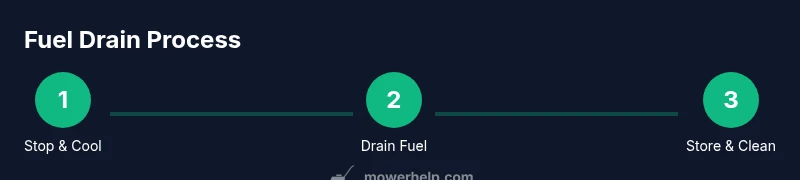
- Park the mower on a flat, noncombustible surface outdoors and turn off the engine. Wait 5–10 minutes for the engine to cool. 2) Remove the fuel cap to relieve pressure and prevent glugging. 3) Place your drain pan or approved container under the tank drain plug and open the valve slowly. 4) Let fuel flow steadily and stop when the tank is empty or the flow slows. 5) Close the drain plug, recap the tank, and wipe any spilled fuel with a rag. 6) Transfer any collected gas to a labeled can and seal it. 7) Recheck for leaks after tightening.
Step-by-step draining via siphon if there’s no drain plug
If your mower lacks a drain plug, use a siphon pump. Attach the siphon intake into the tank, secure the outlet into your container, and gently pull or pump to start the flow. Keep the container stable and at a lower level than the tank to prevent backflow. Stop when the tank is near empty, then cap the fuel line or replace the fuel cap to finish. For safety, avoid siphoning by mouth; use the pump. Clean up any drips immediately.
Handling leftover gas and carburetor bowls
Gas in the carburetor bowl can evaporate and varnish over time. If your mower has a carburetor drain, unscrew the bowl and allow contents to drain into your container. If you cannot access the bowl, you may use the siphon to drain residual fuel from the tank and lines, then reinstall the bowl plug. Do not spill or mix old fuel with fresh fuel, and label containers to avoid misfueling.
Spills, ventilation, and safe disposal
Gasoline fumes can ignite from even a single spark. Work in open air and away from ignition sources. Have a fire extinguisher ready, and use absorbent material to catch small spills. Do not dispose of gasoline down drains or in regular trash; check local hazardous waste guidelines for disposal or recycling options. Store drained gas in a closed, labeled container away from sunlight and heat.
Re-fitting and testing after draining
Reassemble any fuel lines or caps you removed, ensure all connections are snug, and replace the cap. Wipe the mower down and check for any signs of leaks after you’ve added fresh fuel. Start the mower only after you’ve confirmed there are no fuel leaks in the lines and that a small amount of fresh fuel is present in the tank. If you’re storing the mower, add a fuel stabilizer to prevent gumming during storage.
What about ethanol blends and fuel quality
If your old gas sits for longer than a storage season, it can lose octane and begin to separate due to ethanol blends. This can cause starting issues and poor engine performance after draining and refilling. When possible, drain and replace with fresh gasoline or stabilized fuel. Do not mix old fuel with new fuel in the same container. Label it appropriately for future use or disposal.
Storage and future use of drained fuel
Store drained gasoline in an approved container away from living spaces, heat sources, and direct sunlight. If you won’t use the fuel soon, consider disposal options or fuel recycling services. For small quantities, sealed metal cans with a vented cap may be used; for larger amounts, contact local authorities for proper disposal. Finally, clean the area and wash your hands after handling gasoline.
Common mistakes and how to avoid them
Common mistakes include draining indoors, using the wrong container, and spilling fuel on the ground. Always ventilate, wear protective gear, and keep gasoline away from flames. Mistakes also include forgetting to seal the container or moving the mower before the gas is fully drained. Take your time and double‑check all seals and caps to prevent leaks.
Maintenance tips for a healthy fuel system
After draining, inspect the fuel line, fuel filter, and cap for wear and replace as needed. Consider flushing the fuel system if the mower has sat for a long period without use. Keeping the carburetor clean and using fresh gasoline with a stabilizer will extend engine performance. Regular maintenance reduces the need for emergency draining and improves starting reliability.
Next steps: get your mower ready for storage or fresh gas
With the fuel drained and the mower checked, you’re ready to store it for the off-season or refill with fresh gas. Follow local disposal guidelines for old fuel and ensure your workspace remains clean and safe. Remember, the safest draining hinges on careful planning, proper containers, and good ventilation. The Mower Help team recommends following these steps to ensure a smooth transition to the next mowing season.
Tools & Materials
- Approved gasoline container (sealed, vented)(Use metal or certified plastic can with a spill-proof spout)
- Siphon pump or hand pump(For tanks without a drain plug)
- Drain pan or wide-mouthed tray(Place directly under drain or fuel line)
- Protective gloves(Nitrile or neoprene gloves recommended)
- Safety glasses(Eye protection for splashes)
- Rags or absorbent material(For small spills and cleanup)
- Marker or label(Label drained gas and containers)
- Fire extinguisher(Keep within reach in case of flare-ups)
- Fuel stabilizer (optional)(Use when storing fuel for long periods)
Steps
Estimated time: 75-120 minutes
- 1
Stop the engine and cool
Shift the mower to a noncombustible surface outdoors, turn off the engine, and remove the key or switch off the fuel source. Allow 5–10 minutes for the engine to cool before handling fuel components.
Tip: Cooling reduces the risk of accidental ignition and prevents fuel spray when opening lines. - 2
Move to an outdoor, ventilated area
Relocate the mower to a clear, open space away from structures, flames, and cars. Ventilation is critical to safely dissipate fumes during draining.
Tip: Open air minimizes fume buildup and reduces inhalation risk. - 3
Prepare containers and tools
Place the drain pan and labeled gas can under the drain or line. Have your siphon pump ready if there’s no drain plug. Don safety gear before touching fuel components.
Tip: Label containers to prevent misfueling in later steps. - 4
Drain via tank drain plug (if present)
Open the drain plug slowly and let gas flow into the container. Stop when the tank is empty or the flow slows, then reseal the drain and cap the tank.
Tip: Keep drain area steady to avoid spills and venting. - 5
Drain via siphon (no drain plug)
Insert the siphon intake into the tank and the outlet into the container. Start the pump and monitor flow, keeping the container lower than the tank to prevent backflow.
Tip: Do not siphon by mouth; use an approved pump. - 6
Handle leftover fuel and lines
If a carburetor bowl exists, drain it as per manufacturer guidance. Avoid mixing old and fresh gas; separate into labeled containers for disposal.
Tip: A small amount of fuel left can be labeled as ‘drain only’ for later disposal. - 7
Clean spills and verify safety
Wipe any drips, ensure caps are secured, and check for leaks around hoses and fittings after transferring fuel.
Tip: A quick wipe and re-check prevents surprises after you start the mower again.
Got Questions?
Is it legal to drain gasoline at home?
Yes, when done outdoors, away from flames, and following local disposal guidelines. Check municipal rules if you’re unsure. Always store fuel in approved containers.
Yes, you can drain gasoline outdoors and follow local disposal rules. If you’re unsure, check local guidelines.
Can I reuse drained gas in other equipment?
Only if the gas is fresh and has not been contaminated. Old or degraded fuel can cause starting problems or engine damage. When in doubt, dispose of it properly.
Only reuse gas if it’s fresh and uncontaminated; otherwise dispose of it.
What should I do with spilled gasoline?
Contain the spill with absorbent material, clean the area, and dispose of used absorbent as hazardous waste according to local rules. Ventilate the area and avoid ignition sources.
Contain and clean spills using absorbent materials and dispose of them as hazardous waste.
Do I need to drain the carburetor separately?
Most small engines don’t require carburetor draining for routine draining, but if the mower will be stored for a long time, draining the carb bowl can prevent varnish. Follow manufacturer guidance.
Carb draining isn’t always required, but can help prevent varnish during storage.
What if my mower lacks a drain plug?
Use a siphon pump to remove fuel from the tank into a labeled container. Ensure the container is secured and you work slowly to control the flow.
If there’s no drain plug, siphon the fuel carefully into a labeled container.
Is it safe to drain gas from a fuel-injected mower?
Drainage methods are similar, but consult the mower’s service manual for any special cautions with fuel-injected systems. Use approved containers and avoid pressure buildup.
Drain like usual, but check the manual for fuel-injected specifics.
Watch Video
The Essentials
- Drain outdoors in a well-ventilated area.
- Use approved containers and labeling for all fuel.
- Never siphon by mouth; use proper pumps.
- Dispose of old gas according to local guidelines.
- Inspect for leaks and secure all caps after draining.