How to Get Rid of Lawn Mower Gas: Safe Disposal Guide
Learn how to get rid of lawn mower gas safely and legally. This step-by-step guide covers disposal options, handling tips, and essential precautions from the Mower Help team.


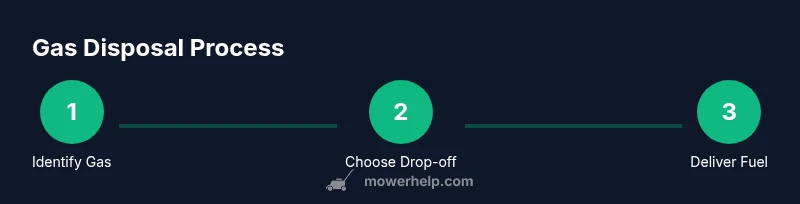
Learn how to safely dispose of lawn mower gas without harming people or the environment. This guide covers identifying fuel, choosing approved disposal options, and transporting gasoline to a licensed facility. Never pour gasoline on the ground or down drains. If in doubt, contact your local hazardous waste program.
Why disposing lawn mower gas safely matters
If you're looking for the answer to how to get rid of lawn mower gas, safety and legality come first. Gasoline is highly flammable and can rapidly release vapors that ignite if spilled or exposed to heat. Improper disposal can contaminate soil, groundwater, and air, leading to health risks for your family and pets. According to Mower Help, the most responsible approach is to treat gasoline as a hazardous material until it is handled by a licensed facility or community program. In this block you’ll understand the stakes, the general rules, and why a proper drop-off matters for your lawn and neighborhood. You’ll also learn what you’ll need to prepare before you act, so you’re not scrambling at the last minute. This knowledge helps you avoid common mistakes, protect your family, and ensure compliance with local regulations while keeping your yard and water sources clean.
What counts as safe gasoline for disposal
Gasoline that’s older or degraded should not be used in engines, but it isn’t automatically safe to keep. Safe disposal means distinguishing between fresh fuel that can sometimes be repurposed and gasoline that has become contaminated. Look for sour smell, color changes, or separation. While the exact content varies by blend, the general principle is to avoid pouring or mixing gasoline with other liquids and to bring any questionable fuel to a licensed facility. Mower Help analysis shows that most communities support household hazardous waste (HHW) programs to take gasoline responsibly, reducing risk to water supplies and soil. The bottom line is to treat questionable fuel as hazardous and seek an approved drop-off.
Disposal options and processes
There are multiple legitimate routes to dispose of lawn mower gas. The preferred option is a local HHW facility or a registered collection event. Some auto parts stores or fuel retailers participate in take-back programs. Always call ahead to verify hours and what documentation you’ll need. When you arrive, separate fuels from other chemicals, keep the container upright and closed, and hand over the fuel to staff. You’ll typically receive a receipt for your records. If a facility isn’t convenient, some municipalities offer mobile collection days or partner with local waste services to pick up gasoline safely.
Safe handling and storage before disposal
Before you head out, put on safety gear and set up a dedicated workspace away from children and pets. Use an approved container, such as a stamped metal can or a manufacturer-recommended plastic jug designed for flammable liquids. Label the container clearly with 'Gasoline – Hazardous' and keep it closed except during transfer. Keep the container away from heat sources, ignition sources, and direct sunlight, and never mix fuels. If you must buffer a spill, have an absorbent material ready. Following these steps minimizes exposure, reduces risk of ignition, and keeps your home safe while you arrange proper disposal.
Transport and drop-off steps
Plan your route to minimize travel time and avoid hot cars. Keep the container upright, secure, and away from passengers. Do not light cigarettes or operate devices that could ignite fumes in the vehicle. Once at the facility, present the fuel with any required forms and obtain a disposal receipt. This step ensures you have proof of compliant disposal for your records and for any future environmental compliance checks. Always follow staff directions and keep the container sealed during transport.
Reuse options for small amounts (limited)
In some cases, small quantities of gasoline can be used in compatible equipment if the fuel is fresh and properly stored before disposal; otherwise, reuse is not advised. Avoid combining gasoline with other fuels or storing beyond a short period. If a facility allows, you may be able to use the fuel in a lawn mower or generator that accepts gasoline from the same batch, but only if it’s compliant with your engine’s requirements. Always verify with the equipment manufacturer and local rules before attempting reuse.
After disposal: environmental and safety reminders
After you drop off gasoline, tidy up your workspace and dispose of any cleanup materials according to local guidelines. Wash hands thoroughly and store any unused fuel in an approved container away from living areas. Keep a disposal receipt in your records and set reminders to dispose of any future fuel promptly. Proper disposal protects water quality, soil health, and community safety—an essential habit for DIY homeowners.
Tools & Materials
- Approved gasoline container(Metal can or approved plastic jug designed for flammable liquids; vented and labeled)
- Safety goggles(Protect eyes from splashes)
- Chemical-resistant gloves(Nitrile or neoprene preferred)
- Funnel(Helps reduce spills during transfer)
- Absorbent material(Cat litter or spill kit for minor drips)
- Labels/marker(Clear 'Gasoline – Hazardous' labeling)
- Disposal receipt/forms(If facility provides or requests paperwork)
Steps
Estimated time: 30-60 minutes plus travel time
- 1
Identify the gasoline and container
Begin by inspecting the gas you plan to dispose. Check for sour odor, color change, or water contamination. Confirm you are using an approved container and it is clean and labeled before transferring.
Tip: If the gasoline smells strongly sour, consider it potentially contaminated and handle as hazardous waste. - 2
Locate an approved disposal option
Call your local waste authority or search the municipal website for a household hazardous waste (HHW) facility or a fuel recycling program. Identify hours, location, and any required forms.
Tip: Use official channels to avoid unlicensed drop-offs. - 3
Prep the container and label
Attach a clear label such as 'Gasoline – Hazardous. Do not mix with other fuels.' Ensure the container is vented and closed when not actively transferring.
Tip: Keep the cap on when transporting to reduce vapor release. - 4
Transfer gasoline safely
Using a funnel, transfer gas from the mower’s can into the approved container. Keep the container upright and avoid splashes; do this in a well-ventilated area away from ignition sources.
Tip: Have a helper hold the funnel steady and keep kids/pets away. - 5
Transport to the disposal site
Place the container in a secure, upright position in the cargo area of your vehicle. Do not leave it in a hot car or near flames; keep away from heat sources during transport.
Tip: Take a spill kit and a damp rag for cleanup just in case. - 6
Drop-off and documentation
At the facility, present the fuel as requested and complete any forms. Ask for a receipt or disposal acknowledgment for your records.
Tip: Keep the receipt for future reference and compliance. - 7
Plan future disposal and storage
Establish a routine to dispose of gasoline promptly and store fuel in an approved container away from living spaces and ignition sources to prevent future hazards.
Tip: Label containers clearly and check for leaks regularly.
Got Questions?
Is it safe to pour lawn mower gas down the drain?
No. Pouring gasoline down a drain can contaminate water supplies and is illegal in many places. Use a licensed HHW facility or follow local guidance.
No, never pour gasoline down the drain. Use a licensed facility.
What is the best disposal option for lawn mower gas?
The safest option is an authorized household hazardous waste facility or collection event. They have trained staff and proper containment.
Use a licensed hazardous waste facility.
Can I reuse old gasoline?
Only if the gasoline is fresh, uncontaminated, and stored correctly. If it smells sour or looks cloudy, do not reuse; dispose instead.
Only if it's fresh and uncontaminated.
How should I transport gasoline to disposal?
Transport in an approved container, upright and sealed, away from ignition sources. Keep the vehicle well-ventilated and drive carefully.
Use a proper container and drive carefully.
No disposal facility nearby?
Contact your local waste authority for guidance; many areas offer pickup or mobile collection days for gasoline disposal.
Check with local authorities for pickup options.
Can I top off someone else's gas tank with lawn mower gasoline?
No. Gasoline from lawn equipment can have additives; use only in approved engines or dispose properly.
Do not pour into other tanks.
Watch Video
The Essentials
- Dispose at licensed facilities.
- Never spill or pour gasoline.
- Label and secure containers before transport.
- Keep disposal receipts for records.