Lawn Mower Disposal: Safe and Legal Ways to Recycle or Reuse
Meta description: Learn practical, legal methods for lawn mower disposal, including recycling, donation, scrap options, and safe storage. A complete guide for homeowners and DIY enthusiasts to dispose responsibly and efficiently.


This guide will help you dispose of a lawn mower safely, legally, and efficiently. You will learn how to drain fuels and oils, remove the battery or fuel system when applicable, and choose among recycling, donation, and scrap options. Transport to the right facility and follow local rules to minimize environmental impact.
Why Lawn Mower Disposal Matters
Lawn mowers are designed to keep yards tidy, but when they reach the end of their life they can become environmental hazards if not handled properly. Improper lawn mower disposal leaves behind fuels, oils, batteries, and other fluids that can contaminate soil and groundwater. The residue may reach gardens, streams, and wildlife habitats, threatening health and local ecosystems. The good news is that responsible disposal is straightforward and can recover value from metal frames, engines, copper wiring, and tires through recycling or donation. By planning ahead, homeowners reduce waste and support community programs that handle hazardous materials safely. A proper lawn mower disposal plan also simplifies future equipment life cycles, minimizes cleanup costs, and sets a positive example for neighbors.
Before you start, gather safety gear and map out a disposal path. According to Mower Help, responsible disposal protects waterways and soil, and helps ensure future equipment can be recycled rather than abandoned. A thoughtful plan means you’ll know exactly where to take fluids, batteries, and metal parts, reducing the chance of spills and missteps. Adopting a clear approach to lawn mower disposal demonstrates good stewardship and makes the entire process faster and less stressful for you and your family.
Legal and Environmental Considerations
Disposal rules vary by city, county, and state, but most jurisdictions treat lawn mower fluids and batteries as hazardous waste. Local regulations typically require draining fuel and oil before disposal and may mandate taking batteries to a certified recycling center or household hazardous waste event. Failing to comply can result in fines and additional cleanup obligations for you or the waste facility. The Mower Help Analysis, 2026 notes that authorities increasingly require documentation of how equipment was decommissioned, especially for gasoline-powered mowers that still contain residues. Environmental considerations go beyond legality; spilled gasoline or oil can pollute soil and water and harm plants and wildlife. Recyclers prefer drained mowers, which lowers processing hazards and raises the value of metal components. Plastics and rubber parts can also be recycled, but require proper separation to prevent cross-contamination. If you’re unsure about your local program, contact your city’s solid waste department or a dedicated recycling center for guidance and drop-off options.
Pre-Disposal Prep: Draining Fluids and Safety
Begin by moving the mower to a well-ventilated area and putting on chemical-resistant gloves and safety glasses. Drain gasoline into an approved container using the fuel valve or carburetor drain if available; never siphon from the tank. Use absorbent material to catch drips and store the liquid in a labeled, sealed container. After removing the fuel, check for oil leaks and drain engine oil into a dedicated disposal container, wiping spills as needed. If the mower has a coolant system, drain antifreeze per local rules and keep it separate from other liquids. For electric mowers, skip motor fluid draining but ensure you unplug and secure the power cord. If a battery is present, remove it with insulated tools and place it in a vented, labeled container for battery recycling. Never store fluids in food-grade containers or near heat sources. Label all containers clearly and keep a log of what was removed and when.
Disposal Options: Recycling, Donation, Scrap, and Landfill
Recycling is typically the most sustainable path for lawn mowers. Separate the metal frame, engine, deck, plastics, and rubber components for the appropriate recycling stream. Clean and drain parts to maximize value at the shredder or metal recycler. Batteries and electronics should go to certified battery recyclers or household hazardous waste programs; never mix with regular trash. If the mower still operates or has salvageable parts, consider donation to a charity, nonprofit, school, or community workshop, which can extend the equipment’s life and reduce waste. Some manufacturers and retailers offer take-back programs or trade-ins that provide credits toward new equipment. Scrap yards may accept end-of-life mowers, particularly when fluids have been removed and containers are labeled. If no option exists, check local landfills’ rules; disposal at landfills is generally discouraged due to handling and potential hazards, but some centers will accept yard equipment with proper fluid disposal.
How to Decommission an Old Mower: Practical Scenarios
Gas-powered mowers (with gasoline in the tank) require draining fuel, turning off the engine, and removing the battery if present. First, remove the spark plug to prevent accidental starts, then drain the fuel into a labeled container. Wipe the area clean and recap any containers. Engine oil should be drained into a dedicated disposal bottle, with rags kept separate to avoid cross-contamination. For mowers with a lead-acid battery, disconnect and relocate the battery to a ventilated container for recycling. Electric mowers: unplug, remove the battery, and avoid draining crankcase fluids unless the manufacturer specifies. After liquids and batteries are handled, remove the blade with proper tools and store it safely away from people and pets. Sort the remaining metal parts for recycling, and check with the local facility about any additional items like hydraulic hoses or turf tires. Transport all components in clearly labeled containers and bring any loose parts to the facility for proper processing.
In all cases, adhere to local regulations and manufacturer guidance. If you’re unsure, contact the disposal facility for accepted items and required packaging. Finally, document what was disposed of and when to simplify future cycles and maintain a clean, compliant yard.
Maintenance for Future Disposal and Quick Reference
Keep a simple disposal kit ready for the future: a labeled container for gasoline, an oil catch pan, absorbent material, spare rags, a designated battery container, and a sturdy blade cover. Schedule regular checks on any mowers you plan to retire or repair. By maintaining tidy records and a clear disposal plan, you’ll streamline future end-of-life steps and reduce environmental impact. Consider setting reminders to drop off fluids separately and to verify local programs each year, since disposal rules can change and new take-back or recycling options may become available.
Tools & Materials
- Safety gear (chemical-resistant gloves, safety glasses)(Wear when handling fuels and oils; non-slip footwear recommended)
- Drain pan or fuel catch container(Choose leak-proof, clearly labeled container)
- Rags and absorbent material(Keeps spills from spreading; use dedicated rags for oils)
- Old towels or absorbent socks(Helpful for catching drips during fluid drainage)
- Screwdrivers, wrenches, and pliers(Needed for blade removal and battery/access panel work)
- Battery removal tools (insulated)(Only if the mower has a lead-acid or lithium-ion battery)
- Battery compatible container for storage(Ventilated, labeled, non-metallic if possible)
- Oil disposal container(Keep oil separate from fuel containers)
- Blade removal tool and blade cover(Secure blade to prevent injuries)
Steps
Estimated time: 1-3 hours
- 1
Power off and secure the mower
Turn off the engine, remove the key or switch, and engage the parking brake if present. Move the mower to a stable work area to prevent movement during disposal.
Tip: Keep body parts away from the blade; use a blade guard when possible. - 2
Drain gasoline safely
Position the mower over a labeled catch pan. Use the fuel valve or carburetor drain to extract fuel, avoiding siphoning. Seal the container immediately and store away from heat.
Tip: Never pour gasoline down the drain or onto soil; store in a labeled, sealed container. - 3
Drain engine oil
Remove the oil fill cap and tilt the mower to allow oil to drain into a dedicated disposal container. Wipe spills promptly and keep the area clean.
Tip: Place an absorbent pad under the drain to minimize drips. - 4
Remove the battery or disconnect electrical system
If the mower has a lead-acid or lithium battery, disconnect with insulated tools and place the battery in a vented, labeled container. For electric mowers, unplug the power cord and secure exposed wiring.
Tip: Handle batteries with care; avoid short-circuiting terminals. - 5
Remove blades and separate metal components
Using the appropriate wrench, remove the blade and store it safely. Detach the engine block, deck, and other metal parts for recycling; cap exposed edges to prevent cuts.
Tip: Point the blade away from your body and store in a guarded location. - 6
Choose disposal path and transport
Decide whether to take the mower to a recycling center, hazardous waste facility, or repair shop that accepts end-of-life equipment. Transport all components in labeled containers and bring any loose parts to the facility for proper processing.
Tip: Call ahead to confirm acceptance and required packaging, and bring proof of ownership if needed.
Got Questions?
Do I need to drain gasoline before disposal?
Yes, removing gasoline reduces spill risk and meets most disposal requirements.
Yes, drain the gasoline and store it in a labeled container to prevent spills.
Where can I recycle a lawn mower?
Local recycling centers, scrap yards, and take-back programs typically accept yard equipment.
Check your city’s recycling center or hazardous waste program for yard equipment drop-offs.
Can I donate a non-working mower?
If salvageable parts or the engine runs, some charities will accept it; call ahead to confirm.
Some charities accept mowers for parts or repair; confirm before dropping off.
Is it legal to throw a mower in the trash?
Most areas prohibit curbside disposal of yard equipment due to fluids and batteries.
In most places, curbside disposal isn't allowed; use approved facilities.
What about mowers with lithium batteries?
Lithium batteries require certified recycling; take them to an approved battery recycler.
Lithium batteries need specialized recycling—use a certified recycler or hazardous waste program.
How long does disposal take?
Disposal duration depends on location and scheduling, typically 1-3 hours including transport.
Usually a few hours if you plan ahead and use a nearby facility.
Watch Video
The Essentials
- Plan disposal in advance to minimize waste
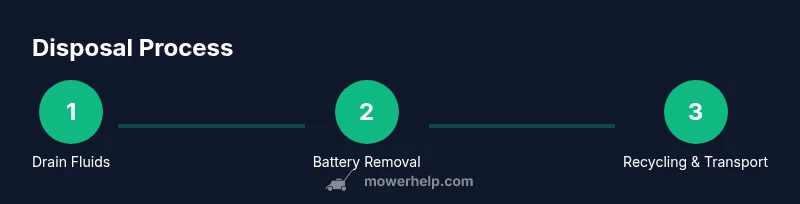
- Drain fluids and remove batteries or fuel components
- Recycle metal parts and separate recyclables properly
- Follow local rules and use certified facilities