How to Get Petrol Out of a Lawn Mower: Safe Drain
Learn how to get petrol out of a lawn mower safely, with step-by-step tips, PPE, and disposal guidance from Mower Help. Prevent spills, protect the environment, and store fuel correctly.


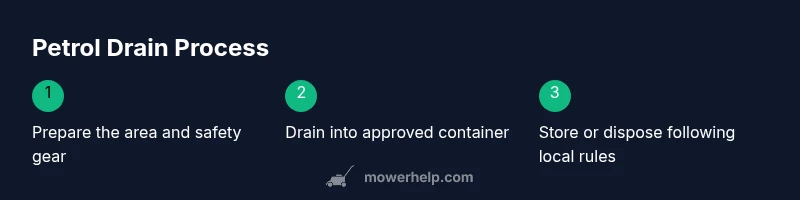
With the engine cooled and the mower on a flat surface, you can safely remove petrol from your lawn mower. This quick guide shows safe draining, proper container use, and how to minimize spills. According to Mower Help, working in a well-ventilated area and using PPE are essential to prevent fumes and skin contact. Follow local regulations for disposal.
Why draining petrol is important
Draining petrol from a lawn mower is not just a nuisance step in maintenance; it reduces fire risk, protects you from fumes, and prevents environmental contamination. Petrol vapors are highly flammable, and a small spark can ignite a puddle. Even a small spill can soak into soil and groundwater, creating a long-term cleanup challenge. When you ask how to get petrol out of lawn mower, the first principle is safety: cool engine, good ventilation, and a controlled work area. According to Mower Help, starting with the mower parked on a level, non-clog surface and keeping a dedicated fuel container ready markedly lowers the chance of spills. The goal is to move the fuel from the mower to a compliant container, then to a storage or disposal stream that matches local regulations. In many regions, spent or old petrol should not be poured down drains or onto the ground; it must be kept sealed and transported by approved means. If you approach the task with a plan, a clean workspace, and the right materials, you’ll minimize risks and make the fuel available for reuse or proper disposal. Even if you don’t drain fully, removing enough petrol to relieve the system can simplify future maintenance and prevent stale fuel from affecting carburetor performance. This article explains a safe, step-by-step approach that keeps your family and environment protected.
Understanding petrol types and their impact on draining
Petrol comes in different grades and formulations, and some fuels include ethanol blends that can attract moisture over time. When you plan to get petrol out of a lawn mower, aging fuel can clog carburetors and create varnish deposits that complicate future starts. The process requires choosing the right container, avoiding cross-contamination, and ensuring the disposal path aligns with local rules. Ethanol-containing fuels can degrade faster, so draining old petrol promptly helps preserve mower performance. This section will help you distinguish fresh fuel from stale mixtures and explain how to handle each safely while minimizing environmental impact.
PPE and environment: protecting yourself and the workspace
Personal protective equipment is non-negotiable when draining petrol. Wear chemical-resistant gloves, safety goggles, and sturdy shoes. Work in a well-ventilated area away from heat sources, open flames, and sparks. Remove obvious ignition sources from the area, including smoking materials and electrical devices that could create a spark. The environment matters too: place a tray or drip pan beneath the mower to capture fuel, line spills toward a single containment point, and keep rags, paper towels, and absorbents ready for immediate cleanup. Remember, petrol fumes can be invisible and linger, so ventilation is crucial even if the area seems open.
Workspace setup and containment: creating a safe draining station
Start by choosing a stable, flat surface and a dedicated space that can be easily cleaned. A spill-proof tray or large disposable tray works well under the fuel outlet. Line the surrounding area with absorbent material and have a sealed container ready for the fuel. Keep a brush and rag handy for quick cleanup and a clear path to your disposal container. Label the fuel container clearly and store it away from sunlight, heaters, or other heat sources. A well-planned workspace minimizes accidental spills, protects pets and children, and makes the drain process faster and cleaner.
Drain paths and safety: drain plug vs fuel line drainage
Many lawn mowers feature a drain plug or a fuel line that leads to the carburetor bowl. If your model has a drain plug, you’ll generally be able to open it with a wrench and let fuel flow into the tray. If there is no drain plug, you may need to access the fuel line or carburetor bowl to drain fuel more directly. Never force fittings or create a vacuum that could damage the fuel system. In all cases, keep the container close to the outlet and ensure the nozzle is fully seated to prevent splashes. This section highlights the differences and helps you choose the safest method for your specific mower.
Handling and transferring petrol: keeping fuel clean and controllable
Transfer petrol slowly and steadily into the approved container. Use a funnel if needed to reduce spills and avoid overfilling the container. Do not mix old fuel with fresh fuel and avoid refilling the mower directly from the same container. Cap the fuel container securely after draining and move it to a ventilated storage area away from heat sources. If you accidentally spill, immediately blot with absorbent material and dispose of the waste according to local guidelines. Following these practices ensures fuel remains clean, safe, and ready for storage or disposal.
Cleanup, spill response, and preparing for storage or disposal
After draining, use a clean rag to wipe any residual fuel from the surrounding surfaces and from the mower’s exterior components. If there are stubborn fuel spots, repeat the wipe with a fresh rag and a mild degreasing solution suitable for outdoor use. Seal the drain container and the mower fuel cap, then transport the petrol to a designated disposal or recycling facility if required by local regulations. Before returning to normal mowing tasks, check the carburetor and fuel lines for any signs of varnish or residue and perform any recommended maintenance. Proper cleanup reduces the risk of fumes and keeps your workspace tidy for future projects.
Disposal and storage: what to do with drained petrol
Once the petrol is drained, store it in a compliant, clearly labeled container. Keep the container upright and away from direct sunlight or heat sources. If the fuel is old or contaminated, follow local hazardous waste disposal guidelines rather than pouring it down the drain. For ongoing mower maintenance, consider using fuel stabilizers to extend the life of remaining gasoline and schedule periodic carburetor checks. The goal is to minimize environmental impact while keeping your equipment ready for the next mowing season.
Tools & Materials
- Gasoline-compatible container (approved for fuel)(Leak-proof; labeled 'Gas' and kept upright)
- Drip pan or wide tray(Large enough to hold full tank volume)
- Rubber gloves(Chemical resistant; protect hands from fuel)
- Funnel (optional)(Helps pour back into container without spills)
- Rags or paper towels(For quick spill cleanup and surface drying)
Steps
Estimated time: 20-30 minutes
- 1
Cool and prep the area
Ensure the mower engine is completely cool, then move the mower to a flat, ventilated space. Place a drip pan beneath the fuel outlet and remove any nearby obstacles that could cause tripping or spills. This protects you and the work area and reduces the chance of accidental ignition.
Tip: Pro tip: Keep a clear path to the disposal container and have absorbent material ready for any drips. - 2
Open the fuel cap and relieve pressure
Loosen the fuel cap slowly to relieve any built-up pressure. Do not remove the cap completely until fuel is ready to drain to prevent sudden fuel spray. Avoid leaning over the outlet when venting.
Tip: Pro tip: Hold the cap in your hand while draining to prevent dropping and potential spills. - 3
Position the container and drain
Align the outlet with the drain container and start the flow gradually. If your mower has a dedicated drain plug, remove it so fuel can flow into the tray. If there is no drain plug, you may need to siphon or detach a small fuel line, being careful to avoid air locks or fuel spray.
Tip: Pro tip: Keep the container close to the outlet to minimize splashes and maintain control over the flow. - 4
Cap, wipe, and secure
Once the flow slows, reinsert any drain plug, reseal the fuel cap, and wipe the area with a dry rag to remove residual fuel. Ensure all lids are secured and the fuel container is upright before moving.
Tip: Pro tip: Do a quick check for drips around the cap and drain area; address any leaks immediately. - 5
Label, store, or dispose
If storing, seal and label the fuel container, then place it in a ventilated area away from heat. If disposing, follow local hazardous waste guidelines rather than pouring petrol down a drain. Keep records of disposal as needed.
Tip: Pro tip: Never mix different fuels and do not use old petrol for immediate yard tasks. - 6
Inspect and clean equipment
Wipe down the mower exterior, inspect the fuel lines for cracks or leaks, and rotate the engine a few times with the spark plug removed to test carburetor drainage. Reassemble all parts only after confirming there are no leaks.
Tip: Pro tip: If you notice varnish or gum deposits, schedule a carburetor cleaning before the next use.
Got Questions?
Is it safe to drain petrol from a lawn mower indoors?
Draining petrol indoors is not recommended due to fumes and fire risk. If you must, ensure extreme ventilation, no ignition sources, and a proper containment setup.
Draining petrol indoors is risky. If you must, ventilate the area and keep all flames away while using proper containment.
What if my mower has no drain plug?
If there is no drain plug, you may need to carefully detach a fuel line or access the carburetor bowl to drain into a container. Proceed slowly and avoid creating air locks.
No drain plug? you may need to access the fuel line or carburetor bowl to drain fuel slowly into a container.
Should I drain fuel before storage?
Yes. Draining petrol before long-term storage reduces gum formation and carburetor varnish. If you will resume use soon, you may stabilize fuel but draining is still recommended for safety.
Draining before storage is recommended to prevent gum and varnish buildup.
Can I reuse petrol after draining?
Clean petrol can be reused if it remains clear and free of water or contaminants. If in doubt, dispose of older fuel at a hazardous waste facility.
You can reuse fuel if it’s clean; otherwise dispose of it properly.
What is the best container for petrol?
Use an approved, sealed gasoline container designed for fuel storage. Avoid repurposed containers that aren’t rated for fuel.
Choose an approved fuel container with a secure cap.
Watch Video
The Essentials
- Cool the mower before draining.
- Use an approved fuel container.
- Drain in a well-ventilated area.
- Dispose or store fuel safely.