Gas in Oil: Safe Fix for a Gas-Filled Lawn Mower
Learn a safe, step-by-step method to recover when gasoline ends up in lawn mower oil, including draining fluids, inspecting the carburetor, and restarting confidently.


Gas in the oil lawn mower is a serious issue. Stop using the mower, drain both fuel and oil, replace the oil, and inspect the carburetor before restarting. Follow a step-by-step safety plan to purge contaminants and protect engine components.
Why gasoline in oil is a risky mix
Gasoline and motor oil have very different lubricating properties. When fuel sneaks into the crankcase, it thins the oil, reducing its protective film and accelerating wear on bearings, piston rings, and seals. Gas in oil may also degrade gaskets, leading to leaks and compression loss. The smell of gasoline in the oil, a thinner viscosity, or a milky appearance are common telltales. According to Mower Help, even small amounts of gasoline in the oil can cause accelerated engine wear, increased carbon buildup, and hot spots that threaten reliability. If you catch it early, draining and replacing fluids can save you from more extensive repairs. Prevention is best, so have a quick, safe purge plan ready before you run the mower again.
Immediate safety steps you should take
First, shut off the engine and move the mower to a well-ventilated area away from flames or sparks. Do not attempt to start or run the engine. Disconnect the spark plug boot to prevent accidental cranking while you work. Put on gloves and eye protection, and prepare a labeled container for gasoline. Keep a fire extinguisher within reach and work on a non-flammable surface. These steps reduce fire risk and fumes exposure while handling fuels and lubricants.
Confirm contamination: smell, color, and evidence
Gas in the oil is usually detectable by a strong gasoline odor in the oil, a lighter color, or a thinner viscosity than fresh oil. Check the dipstick for transparency or a slick feel; gasoline in oil may appear as a sheen or a distinct odor after wiping. Inspect the fuel system area for any signs of leakage or varnish near the carburetor and fuel lines. If you recently refueled and still smell gasoline after a quick oil check, contamination is likely. This assessment guides how aggressively you clean the fuel system and whether you need to flush carburetor passages.
What not to do: avoid starting or idling the engine
Never run the engine to test whether the mixture clears itself. A running engine can wash away oil lubrication and cause severe wear or engine damage. Do not pour substitutes or fuel additives hoping to flush gas through the system. Avoid aggressive cleaning methods near hot surfaces and never operate the mower in a cluttered or flammable area. Safe handling of fuels and oils protects you and your mower from avoidable harm.
Tools and materials you’ll need (overview)
Before you start, gather the essentials: a clean gasoline container, an approved oil drain pan, the correct grade of engine oil, a funnel, rags, a spark plug wrench, a replacement air filter if needed, and a carburetor cleaner or fuel line flush if contamination is evident. You may also need a socket set or wrenches to access drain plugs. Having everything ready reduces delays and keeps fluids from mixing unintentionally during the process.
Step-by-step overview: how the disassembly and fluid changes proceed
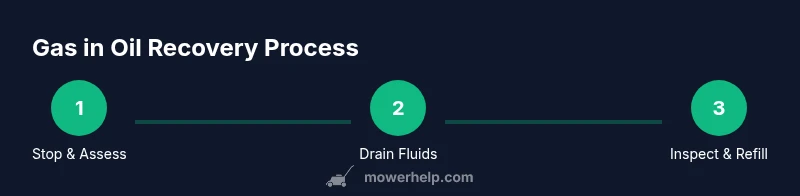
This guide walks you through a careful sequence: stop and secure the mower, drain fuel, drain oil, inspect and clean the carburetor, replace air filter and spark plug if contaminated, refill with fresh oil and gasoline, and perform a cautious test run. Each action minimizes risk and helps you confirm the mower is back to a stable state before regular use.
Step 1: Prepare a safe workspace and drain the fuel tank
Position the mower on a level, nonflammable surface with good lighting. Disconnect the spark plug wire and allow the engine to cool completely. Place an approved drain pan beneath the fuel tank and slowly drain fuel from the tank into a labeled, approved container. Cap the tank once emptied and set the container in a safe, ventilated area. This prevents spills and reduces fire risk while you work.
Step 2: Drain the crankcase oil and replace with fresh oil
Remove the oil fill cap and drain plug; allow used oil to drain completely into the pan. Wipe and inspect the drain area for any gasoline residue. Replace the drain plug, refill with the recommended oil grade, and check the oil level with the dipstick. If the oil smells strongly of gasoline, repeat the drainage and refill with fresh oil to restore proper lubrication.
Step 3: Inspect and clean the carburetor and fuel lines
Remove visible fuel lines and inspect for gasoline contamination, varnish buildup, or damaged seals. If you see varnish or gumming, use carburetor cleaner and a small brush to carefully clean passages. Reconnect lines and ensure secure clamps. If the carburetor appears severely contaminated, consult a professional or replace the affected components to prevent fuel flooding.
Step 4: Refill fluids, reassemble, and perform a safe test run
Fill the tank with fresh gasoline and replace the air filter if contaminated. Reinstall the spark plug if you removed it, ensuring proper torque. Start the mower in a safe outdoor area and listen for smooth idle and stable RPM. If you detect fuel smells or leaks, shut off the engine and recheck connections before attempting another start.
Step 5: Post-repair checks and disposal
After a short run, cool the engine and recheck oil and fuel levels. Dispose of old oil and gasoline in approved recycling or hazardous waste facilities per local regulations. Wipe down the work area and log the maintenance in your mower notebook. Regular checks after any fuel contamination will help catch issues early and extend engine life.
Common pitfalls and how to avoid them
Pitfalls include skipping the spark plug disconnect, rushing the oil drain, or reusing contaminated oil. Always confirm the engine is cool, label all fluid containers, and store flammable liquids away from heat sources. Following a deliberate procedure reduces risk and helps you restore the mower to reliable working condition.
Tools & Materials
- gasoline container (approved)(Label clearly; store away from heat)
- oil drain pan(Sturdy and heat-resistant)
- engine oil (correct grade)(Refer to user manual)
- funnel(For clean oil transfer)
- rags(Clean spills and wipe components)
- spark plug wrench(For spark plug removal/replacement)
- replacement air filter(Only if contaminated)
- carburetor cleaner(Optional for varnish cleaning)
- replacement fuel lines clamps(If lines show damage)
- gloves and eye protection(Personal safety gear)
Steps
Estimated time: 2-3 hours
- 1
Stop and secure the mower
Power down the mower, cool the engine, and disconnect the spark plug boot to prevent accidental starting. Move to a well-ventilated area and set the drain pan in place.
Tip: Keeping the area clear of sparks reduces fire risk. - 2
Drain fuel from the tank
Carefully drain gasoline into an approved container. Seal the tank after draining to prevent spills. Label the container and store away from heat sources until disposal.
Tip: Work slowly to avoid splashing; never pour gasoline down a drain. - 3
Drain and replace crankcase oil
Remove the drain plug and let oil drain completely. Replace the drain plug, fill with fresh oil to the correct level, and check the dipstick.
Tip: If the oil smells like gasoline, drain and refill again to remove contamination. - 4
Inspect the carburetor and fuel lines
Check for varnish, gum, or leaks. Clean passages with carb cleaner and reattach lines securely. Replace damaged seals if you find any.
Tip: A clean carb prevents flooding and misfires after restart. - 5
Reassemble and perform a safe test
Install a fresh air filter if needed, reconnect the spark plug, and fill the tank with fresh gasoline. Start the mower in an open area and observe for leaks or abnormal sounds.
Tip: Start with a short idle, then gradual throttle increase to confirm stability.
Got Questions?
Can gasoline in the oil cause permanent engine damage?
Gas in the oil can damage lubrication and seals if not addressed promptly. If contamination is caught early and fluids are replaced, damage risk decreases. Severe contamination may require professional service.
Gas in the oil can cause damage if not addressed quickly. Replacing fluids early minimizes risk, but severe contamination might need a pro.
Should I flush the entire fuel system?
Drain the tank and replace the oil first. If you notice continued contamination in the carburetor or lines, a targeted flush may be helpful, but avoid aggressive or unnecessary flushing.
Drain and replace fluids first; only flush if you still see contamination, and avoid overdoing it.
Can I start the mower after replacing fluids?
Proceed with a cautious test run only after confirming there is no gasoline smell in the oil and all connections are secure. Start in a safe outdoor area and monitor for leaks or rough running.
Yes, but only after confirming fluids are clean and all parts are secure.
What should I do with the contaminated fluids?
Transport old oil and gasoline to an approved recycling or hazardous waste facility. Do not pour them on the ground or down a drain.
Take the used oil and gasoline to a proper disposal site; don’t pour them away.
Watch Video
The Essentials
- Drain and replace fluids when contamination is suspected
- Do not start the engine until fluids are clean and verified
- Inspect the carburetor and fuel lines after a fuel mix
- Dispose of old fluids responsibly to protect the environment
- Document maintenance for future prevention