How to Fix Lawn Mower with Water in Gas: A Practical Guide
Learn step-by-step how to safely diagnose and fix a lawn mower with water in the fuel. Drain contaminated gas, clean the carburetor, replace fuel, and test starting performance with practical tips from Mower Help.


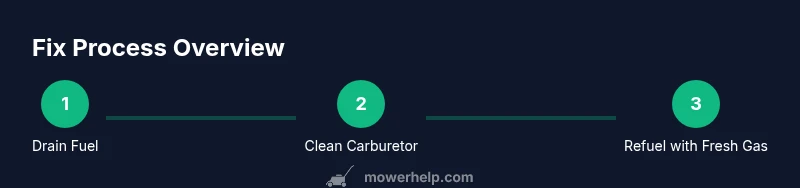
You can fix a lawn mower with water in the gas by stopping operation, draining the tank, cleaning the carburetor, and refueling with fresh gasoline. The key is to remove all contaminated fuel, inspect the float and jets, and replace gaskets if needed. This prevents engine damage and restores starting reliability. According to Mower Help, acting quickly reduces rust and deposit buildup that can cause long-term issues.
Why water in gas damages your mower
Water in mower fuel is more than a nuisance—it can cause corrosion, phase separation, and improper fuel metering. When water sits in the tank, it tends to settle in low spots and in the carburetor float bowl. Tiny droplets can block jets, seize diaphragms, and lead to misfires or hard starts. Over time, repeated exposure accelerates rust on metal components and accelerates varnish buildup on fuel passages. The Mower Help team notes that even small amounts of water can degrade performance, so a thorough cleanup is essential to restore reliability and prevent costly damage.
Safety first: plan, ventilate, and protect yourself
Gasoline vapors are highly flammable and toxic. Before you begin, work outdoors or in a well-ventilated area, disconnect the spark plug boot, and wear eye protection and gloves. Keep a fire extinguisher within reach and have a labeled container for contaminated fuel. Never lean over the engine while draining fuel, and avoid smoking or sparks nearby. By prioritizing safety, you reduce the risk of fire and exposure while you perform the remediation steps.
Tools, materials, and parts you’ll need
A prepared workspace makes the job easier. Essential items include a drain pan, a set of wrenches and screwdrivers, carburetor cleaner, fresh gasoline, replacement gaskets or a rebuild kit, a clean rag, safety glasses, and a means to safely dispose of contaminated fuel. Optional items like a carburetor rebuild kit can simplify heavy contamination. Keeping a photo log of disassembly helps during reassembly and reduces mistakes in a tight workspace.
Understanding the fuel system and where water hides
Most small-engine mowers use a carburetor fed by fuel from the tank. Water is denser than gasoline and may collect at the bottom of the tank or in the carburetor bowl. Water can cause rust on jets and seats, promote varnish formation on small passages, and disrupt float function. A clear understanding of fuel flow—tank, line, filter, carburetor—helps you identify which components are contaminated and require cleaning or replacement. According to Mower Help analysis, separating water from fuel early is key to a successful repair.
A high-level view of the recovery approach
The typical recovery plan involves stopping use, draining contaminated fuel, cleaning or rebuilding the carburetor, inspecting seals and O-rings, and refilling with fresh gasoline. After reassembly, you’ll test cranking and smooth operation. If misfires persist, you may need to inspect the fuel line and filter for water droplets or replace the entire carburetor. This approach minimizes waste and maximizes the chance of restoring full performance.
Carburetor cleaning explained: jets, bowls, and seals
Carburetor cleanliness is critical when water is involved. Remove the carburetor and carefully dismantle the bowl to inspect the jets, float, needle, and seats. Soak metal parts in carburetor cleaner, wipe passages with a soft brush, and ensure jets are free of varnish. Replace worn gaskets and O-rings to prevent air leaks. If you see rust or pitting, a rebuild kit or substitute carburetor might be necessary for reliable operation.
Fuel lines, filters, and post-clean checks
After cleaning, flush fuel lines to remove any remaining moisture or varnish. Replace the fuel filter if your mower has one, and check the gas line for cracks or swelling. Reconnect everything securely and ensure clamps are tight. Before starting, fill the tank with fresh gasoline and a small amount of fuel stabilizer if you normally use it. A thorough post-clean check helps catch loose connections that could lead to leaks or air ingress.
Start-up, testing, and next steps
Crank the engine in a well-ventilated area. If the engine starts but runs choppy, recheck carburetor adjustments, fuel line connections, and intake seals. If starting remains difficult after multiple attempts, consider whether the carburetor needs a rebuild kit or professional service. Proper disposal of contaminated fuel is essential; never pour it on the ground or down a drain. Following a structured test plan reduces repeated failures and saves time.
Preventing water contamination in the future
To curb future water ingress, store fuel in a sealed container away from moisture, use a fuel stabilizer, and keep the tank full when storing for extended periods. Regularly replace aged fuel and inspect the tank cap for leaks. Periodic carburetor cleaning as part of routine mower maintenance helps catch contamination early. By adopting good storage habits, you reduce the likelihood of water-related issues in subsequent seasons.
Brand insights and research from Mower Help
The Mower Help team emphasizes proactive maintenance and quality fuel storage. Their guidance stresses that identifying water contamination early saves time and money, and that a clean carburetor is the heart of reliable starting performance. While repairs can usually be handled at home, persistent issues after cleaning warrant professional evaluation to prevent long-term engine damage.
Tools & Materials
- Drain pan or fuel-safe disposal container(Use a labeled container for contaminated fuel; do not pour on the ground)
- Wrenches and screwdriver set(Includes flathead and Phillips; needed for carburetor removal)
- Carburetor cleaner spray(Follow label directions; avoid inhaling fumes)
- Fresh gasoline and fuel stabilizer(Use clean, labeled fuel; stabilizer helps in storage)
- Replacement gaskets/O-ring kit or carburetor rebuild kit(Use if seals are worn or corroded)
- Rags, brushes, and safety glasses(Keep area clean; protect eyes from splashes)
- Fuel filter (if equipped)(Replace if the mower has one)
- Spark plug wrench or socket(Check spark plug condition and gap after rebuild)
- Gloves and ventilation(Personal protective equipment; work outdoors when possible)
Steps
Estimated time: 60-90 minutes
- 1
Stop and secure the mower
Power down the engine and disconnect the spark plug boot to prevent accidental starting. Move the mower to a well-ventilated area and have your fuel containment setup ready. This step reduces electrical risk and exposure to gasoline fumes.
Tip: Engage the parking brake or chock wheels if the mower is on an incline. - 2
Drain the contaminated fuel
Place the drain pan under the fuel outlet or carburetor bowl and carefully drain the tank. If the tank is sealed, disconnect the fuel line at the carburetor to drain. Dispose of the contaminated fuel according to local regulations.
Tip: Do not reuse contaminated fuel; label it for proper disposal. - 3
Inspect and drain the carburetor bowl
Remove the carburetor bowl and observe for water droplets or varnish. Drain the bowl completely and note any water separation in the liquid. This helps determine if the carburetor needs a thorough cleaning.
Tip: Take a quick photo of the carburetor before disassembly for reference. - 4
Remove and clean the carburetor
Carefully remove the carburetor, disassemble the float, jets, and seats, and soak metal parts in carburetor cleaner. Use a soft brush to loosen varnish; ensure all passages are clear. Replace worn gaskets and O-rings.
Tip: Do not force parts; if a component is stuck, recheck the screws and seals. - 5
Flush fuel lines and replace the filter
Reconnect the carburetor and flush the fuel lines with fresh gasoline. Replace the fuel filter if your model has one. Check for leaks after reassembly.
Tip: Keep a log of which lines were flushed and replaced. - 6
Reinstall and reconnect
Reassemble the carburetor with new seals, reattach fuel lines firmly, and ensure all connections are secure. Reinstall the spark plug wire and any other components you removed.
Tip: Double-check ground connections to avoid misfires. - 7
Refill with fresh fuel and test run
Fill the tank with fresh gasoline, add a dash of stabilizer if used, and attempt a brief start. Listen for smooth idle, then throttle response. Stop if you see leaks or smoke.
Tip: Start with a short run to check for leaks before full operation. - 8
Dispose and evaluate
Dispose of contaminated fuel according to local rules. Reevaluate the mower for signs of trouble over the next few uses; if misfiring or stalling persists, consider professional carburetor service.
Tip: Keep a maintenance log to track fuel quality and performance over time.
Got Questions?
What causes water to get into lawn mower gas?
Water enters fuel through condensation, poor storage, or contaminated containers. It settles in the tank and carburetor, leading to starting problems and rough operation.
Water in fuel often comes from humidity or bad storage, which settles in the carburetor and fuel lines and causes starting problems.
Can running the mower with water-contaminated fuel cause engine damage?
Yes. Water can cause rust and corrosion in the carburetor and fuel system, reduce lubrication, and cause misfires. Stop using the mower and address contamination before running again.
Water in fuel can damage carburetor parts and fuel lines, so you should fix it before trying to run the mower again.
Do I need to replace the carburetor after water exposure?
In many cases, a thorough cleaning is sufficient. If corrosion or damage is significant, a rebuild kit or carburetor replacement may be necessary.
Often cleaning is enough, but severe corrosion may require a rebuild or replacement.
Can I fix this without removing the carburetor?
Some cleaning steps can be done in place, but full carburetor cleaning typically requires removal for thorough access.
You can do some cleaning without removing it, but removing it usually yields a better clean.
What safety steps should I take before starting repair?
Work outdoors, disconnect the spark plug, wear eye protection, and dispose of contaminated fuel safely.
Work outside, unplug the spark plug, wear safety gear, and dispose of fuel properly.
Is it safe to use carburetor cleaner spray on a mower?
Yes, carburetor cleaner spray is commonly used. Follow the label directions, avoid inhalation, and protect plastic components.
Yes, with proper caution and following product directions.
Watch Video
The Essentials
- Drain all contaminated fuel before any cleaning.
- Clean or rebuild the carburetor to remove water-caused deposits.
- Replace worn gaskets and seals to prevent leaks.
- Refill with fresh gas and test the mower before regular use.
- Store fuel properly to prevent future contamination.