Siphon Pump for Lawn Mower: Safe Fuel Drain Guide
Learn how to use a siphon pump to drain mower fuel safely and cleanly. This guide covers best pump types, safety tips, step-by-step actions, and disposal guidance for DIY homeowners from Mower Help.


A siphon pump lets you drain fuel from a lawn mower tank safely, quickly, and with minimal spills. You’ll need a hand-operated siphon pump, an approved fuel container, and protective gloves. Work in a well-ventilated area away from ignition sources.
Why a siphon pump is the right tool for lawn mower fuel drainage\n\nTransferring gasoline from a mower tank traditionally means tilting the tank and pouring carefully, which invites spills, splashes, and fumes. A siphon pump offers a safer, cleaner alternative: it creates a controlled flow with minimal air exposure and reduces splashback. For DIY homeowners, this means less waste and fewer trips to clean up a spill. According to Mower Help, choosing the right siphon pump for lawn mower fuel drainage is a small investment that pays off in safer maintenance sessions and better fuel hygiene. The Mower Help Team notes that many garden-center kits include a simple hand pump with a check valve, which prevents backflow into the tank if you momentarily lose suction. When you plan the job, think about the distance to your approved fuel container, the container's capacity relative to the mower's tank, and the fumes that will accumulate in a closed garage or shed. A well-planned transfer reduces the risk of spills and makes the entire process smoother, especially for older mowers with varnished fuel caps or hard-to-seal tanks. Remember to label containers clearly and keep kids and pets away while you work.
Choosing the right siphon pump for a mower\n\nChoosing the right siphon pump starts with the basic type: a simple hand-operated unit is sufficient for most mower tanks, but you may encounter pumps with built-in check valves or anti-splash tips. Look for models that fit common fuel can openings and use a flexible tube that seats securely in both the mower tank and the reservoir. The ideal pump minimizes backflow and stops automatically when you end your transfer. According to the Mower Help team, these features improve safety and reduce spillage during fuel drainage. Also consider the length of the siphon tube, because a longer tube allows you to drain into a container placed on the ground or a bench, keeping the mower raised and stable. Finally, ensure your pump is compatible with gasoline and any ethanol blends used in your mower. A properly chosen pump reduces strain and makes the job more comfortable, especially for those working alone.
Safety considerations before you begin\n\nSafety should come first when handling gasoline. Work in a well-ventilated area away from heat sources, sparks, and open flames. Wear protective gloves and eye protection to guard against splashes, and keep a spill kit or absorbent material handy. Ensure the mower is off and cool before starting, and disconnect any battery or spark interruptions if necessary to prevent accidental ignition. Store the fuel container upright and closed when not actively pouring, and place it on a stable surface to prevent tipping. These precautions align with guidance from Mower Help and reduce risk during fuel drainage. If you’re doing this in a garage or shed, crack a door or window to vent fumes and avoid building up flammable vapors. Keeping pets and children away is essential for a safe, focused workflow.
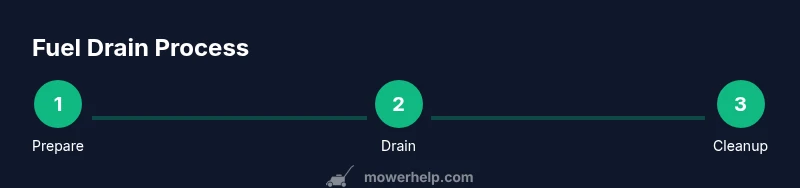
Step-by-step overview to drain fuel using a siphon pump\n\nThis section provides a high-level view of the process so you can plan your approach without jumping into the steps yet. Start by inspecting the mower’s fuel tank cap for cracks and ensuring the opening is clean. Position your fuel container on a stable, level surface at a comfortable distance from the mower. Insert the siphon tube into the tank and secure the other end in the receiving container, using a tube with a snug fit to prevent leaks. Gently operate the pump to start the flow, watching for any air bubbles that indicate a loose connection. Stop the transfer when the tank nears empty to avoid drawing sediment or varnish from the bottom. Finally, cap containers, wipe spills, and return tools to their storage area. This overview keeps you focused on safety and efficiency, following best practices highlighted by Mower Help.
Post-drain tasks: storage, disposal, and cleanup\n\nAfter draining, label and seal the fuel container and store it in a cool, ventilated area away from heat sources. Old or contaminated fuel should be disposed of according to local regulations; never pour it down the drain or onto the ground. Clean any drips or splatters with a rag and a mild degreaser if needed, then wash your hands thoroughly. If you’ve left behind varnish or residue in the mower’s tank, consider a quick carburetor cleaning or fuel-system inspection as part of regular maintenance. Finally, inspect the siphon pump for any wear or cracks and store it dry to prevent stiffness or backflow when next used. Following these practices helps protect your mower’s fuel system and keeps your workspace tidy, which aligns with the standards Mower Help advocates for responsible DIY maintenance.
Common pitfalls and troubleshooting\n\nCommon mistakes include rushing the transfer, which increases spill risk, and using a pump that lacks a proper check valve, which can backflow into the tank. If you notice resistance when pumping, recheck the connections and ensure the tube is fully seated in both the tank and container. A leak at any joint is a warning sign that a slower, more deliberate flow is necessary. If the mower continues to draw air or sputter, power off and inspect the fuel line for cracks or blockages and replace parts as needed. For best results, test your setup in a small, empty container before draining the mower tank, ensuring you have a clean flow and a closed system that minimizes vapors. These tips help prevent common issues during fuel drainage and are supported by practical guidance from Mower Help.
Tools & Materials
- Siphon pump (hand-operated with check valve)(Choose a pump with a secure nozzle, compatible with gasoline, and a clear check valve to prevent backflow.)
- Approved fuel container(Metal or high-density plastic can labeled 'Gasoline' and meeting local regulations)
- Protective gloves(Nitrile gloves recommended for chemical resistance)
- Safety goggles(Eye protection to shield from splashes)
- Rags or spill pads(For quick cleanup and to protect surfaces)
- Funnel (optional)(Helpful for minimizing spills when transferring into the container)
Steps
Estimated time: 15-25 minutes
- 1
Prepare workspace and materials
Set up a stable work area on a concrete or outdoor surface. Gather the siphon pump, fuel container, rags, gloves, and safety goggles. Ensure the mower is off, cooled, and located away from open flames or sparks.
Tip: Lay a drip tray or old towel under the area to catch minor spills. - 2
Position mower and container
Move the mower to a well-ventilated area and place the fuel container on a level, non-slip surface. Keep the container at a reachable height to minimize bending and ensure you can watch the flow.
Tip: Make sure the container capacity is sufficient for the mower's tank and any remaining fuel. - 3
Attach siphon tube and secure connections
Insert the siphon tube into the mower fuel tank and connect the other end to the receiving container. Check that all joints are tight and that the tube sits securely in both vessels to prevent air leaks.
Tip: Avoid kinks in the tubing; a straight feed reduces flow interruption. - 4
Start pumping slowly
Use the hand pump to start a gentle flow. Once fuel begins moving, gradually increase pace while watching for leaks and spills. Stop if you notice air bubbles indicating a loose seal.
Tip: Keep the pump blade smooth and steady to prevent splashing. - 5
Drain to the appropriate level
Continue until the tank is nearly empty, leaving a small amount to avoid drawing sediment. This helps minimize varnish transfer into the container and makes subsequent maintenance easier.
Tip: Do not fully drain if you plan immediate refueling or maintenance; leave a small reserve if required. - 6
Seal, wipe, and store equipment
Rinse and wipe any drips, cap the fuel container, and store the siphon pump in a dry place. Return tools to their proper spots and dispose of any waste according to local regulations.
Tip: Engage proper disposal practices for old fuel—never pour it on the ground or down the drain.
Got Questions?
Is it safe to siphon gasoline from a lawn mower?
Gasoline is highly flammable, so use a siphon pump to minimize spills and vapors. Always work in a ventilated area and wear PPE. Do not siphon near ignition sources.
Gasoline is flammable, so use a siphon pump to minimize spills and vapors. Work in a ventilated area and wear PPE, away from any ignition sources.
What type of siphon pump is best for lawn mowers?
A simple hand-operated siphon pump with a check valve is typically best for mower tanks. It provides reliable control and reduces backflow risk. Choose one compatible with your fuel can and tank opening.
A simple hand-operated siphon pump with a check valve is usually best for mower tanks. It offers reliable control and reduces backflow.
What precautions should I take to avoid spills?
Work in a clear, stable area and use a drip tray. Keep the container on a flat surface and prevent any leaks by securing all connections. Have absorbent material ready for quick cleanup if needed.
Work on a clean, stable surface and use a drip tray. Secure all connections and keep absorbent material handy for spills.
What should I do with old fuel after draining?
Treat old fuel as hazardous and dispose of it according to local regulations. Do not pour it on the ground or down the drain. Store it in a labeled container until disposal.
Dispose of old fuel per local rules. Don’t pour it on the ground; store it in a labeled container for proper disposal.
Can I drain fuel while the engine is hot?
No. Allow the engine and fuel to cool before draining to prevent ignition risk and burns. Hot fuel can expand and create dangerous spills.
No. Let the engine and fuel cool before draining to avoid ignition risk and burns.
Watch Video
The Essentials
- Use a siphon pump for safer, cleaner mower fuel drainage.
- Choose a pump with a check valve and secure fittings.
- Drain in a ventilated area and dispose of fuel properly.
- Inspect for leaks and clean spills promptly.