How to Safely Use and Store a Lawn Mower Gas Can
Learn safe fuel handling with a lawn mower gas can, including selecting the right can, transferring fuel outdoors, avoiding spills, storage tips, and spill cleanup from Mower Help.


Learning to safely handle a lawn mower gas can is essential for home maintenance. In this guide, you will learn how to choose the right can, fill and transfer fuel without spills, store gasoline properly, and prevent engine damage. Before you start, gather approved containers, funnels, and a fire-safe area.
Understanding Why a Lawn Mower Gas Can Matters
Handling gasoline safely is foundational for lawn care. A lawn mower gas can is more than a container; it’s a tool that reduces spills, vapors, and fire risk when refueling outdoor equipment. According to Mower Help, choosing the right can and using proper transfer practices protects your family, your mower, and the environment. Gasoline vapors are heavier than air and can travel along surfaces to ignition sources, so fueling should happen in an open, well-ventilated outdoor area away from heat, sparks, or flames. This section explains the risks involved and how a properly used gas can minimizes exposure, evaporation, and leakage. You’ll learn how fuel type, can construction, and cap design influence performance and safety. By understanding these fundamentals, DIY homeowners can refuel confidently without compromising equipment or safety. Throughout this article, you’ll see practical steps you can apply immediately, with checklists and reminders tailored to common home setups.
Choosing the Right Can and Accessories
The success of safe fueling starts with the container. For a lawn mower gas can, select an approved metal or rugged plastic can designed for gasoline. Look for features like a child-resistant cap, a flame-arresting vent, and a properly fitting spout or pouring mechanism. If you own older equipment, verify compatibility with the can’s opening and the mower’s fuel inlet. Accessories such as a wide-mouth funnel, absorbent pads, and a small brush for cleaning can make the process cleaner and safer. Avoid repurposing food or water containers, which can leak, evaporate fumes, or contaminate fuel. By focusing on can integrity and the right accessories, you reduce spills and ensure precise transfer to the mower tank. In 2026, the Mower Help team emphasizes using certified cans and keeping the transfer setup neat and stable.
Safe Transfer Practices: Outdoors, Away from Flames
Fueling should always happen outside in a well-ventilated area. Choose a level, non-slip surface away from ignition sources, including engines, hot exhausts, and electrical devices. Wear eye protection and gloves to guard against splashes. Keep the can below the nozzle and pour slowly to control the flow, never tipping the can upside down or rushing the fill. If wind is present, position yourself so fumes do not blow toward you or toward structures where vapors could accumulate. Open the mower fuel cap only when you’re ready to pour, then reseal the cap immediately after finishing. By separating fueling from indoor spaces and crowds, you minimize fire risk and exposure to gasoline vapors.
Filling, Pouring, and Stopping Techniques
Initiate fueling with the can standing upright and the nozzle aligned with the mower’s filler neck. Use a funnel to reduce splashes and keep the pour slow; stop before the tank is full to prevent spills and overflow. Keep hands steady and avoid reaching over the mower engine. Pause briefly if you’re unsure whether you’re near the fill line, then resume to complete the transfer. After pouring, re-cap the can securely and wipe any drips with a rag. If fuel spills, perform cleanup immediately to prevent slippery surfaces and vapor hazards. These disciplined steps help protect engines from flooding, carburetor problems, and fuel odor in the shed.
Storage, Ventilation, and Long-Term Fuel Care
Store gasoline outdoors in a shaded, ventilated area away from heat sources and living spaces. A properly capped can should be kept off the ground on a sturdy rack or shelf, not in direct sunlight where plastic jars can swell or leak. Label cans with the date of purchase and rotate stock so older fuel is used first. Consider stabilizers for longer storage, but follow the manufacturer’s guidance for your mower model. Never transfer fuel into an unmarked bottle or bag—clear labeling prevents misfueling and engine damage. Regularly inspect stored cans for cracks, leaks, or corrosion, and dispose of damaged cans promptly.
Spills, Cleanup, and Environmental Considerations
If a spill occurs, act quickly: contain the area with absorbent pads or cat litter, prevent it from reaching drains or soil, and clean with mild soap and water if safe. Do not wash gasoline into the yard or storm drains. Place used absorbent material in a sealed bag and dispose of it according to local regulations. For larger spills or if you’re uncertain about cleanup, contact local environmental authorities or a hazardous waste facility. Proper spill response protects the environment and reduces health risks for you and your family.
Common Mistakes and How to Prevent Them
Common fueling mistakes include overfilling, refueling indoors, using non-approved containers, and failing to secure caps. To prevent these, always fuel outdoors, check the can’s cap and vent, use a funnel, and keep a small spill kit nearby. Regularly inspect hoses, caps, and the mower’s fuel inlet for leaks. Establish a simple fueling routine, train household members, and keep emergency contact numbers on hand for quick reference. By avoiding these pitfalls, you’ll keep your mower running smoothly and safely.
Tools & Materials
- NFPA-approved lawn mower gas can(UN-rated, vented cap, metal or sturdy plastic)
- Gasoline funnel(Wide-mouth, non-reactive material)
- Gas spill absorbent(Cat litter or commercial absorbent)
- Fireproof mat or tray(Optional but helpful for under can)
- Safety gloves(Chemical-resistant or heavy-duty)
- Safety glasses or goggles(Eye protection against splashes)
- Rags or absorbent towels(Wipe drips and clean spills)
- Mower owner’s manual(Check fuel type and capacity)
Steps
Estimated time: Total time: 25-40 minutes
- 1
Gather safety gear and materials
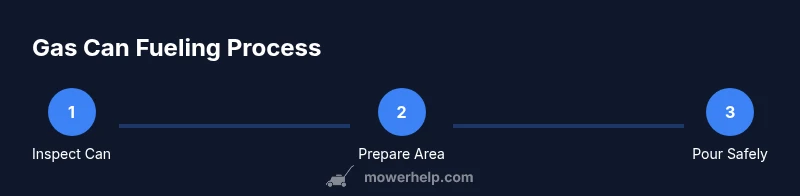
Collect all approved equipment and place in a dedicated fueling area. Verify the mower and gas can are within reach and in good condition. This upfront organization reduces last-minute scrambling and risk.
Tip: Keep a spill kit within arm’s reach before starting. - 2
Inspect can, cap, and hoses
Check the can for cracks or corrosion and ensure the cap seals tightly. Inspect the pour spout for obstructions and confirm there are no leaks around the fittings.
Tip: Do not use a damaged can—replace it. - 3
Prepare outdoor fueling area
Choose a flat, non-slip surface away from vehicles, flames, and heaters. Clear the area of debris and set the can on a stable stand if available.
Tip: If wind is strong, position yourself to prevent vapors from blowing toward you. - 4
Position mower and can for fueling
Place the mower so the filler neck is easily accessible. Hold the gas can upright and align the nozzle with the tank opening. Avoid reaching over the engine.
Tip: Keep the nozzle in contact with the tank opening to prevent splashes. - 5
Pour slowly and monitor fill level
Pour with a smooth, controlled flow using the funnel. Stop pouring before the tank is full to prevent spills and fuel overflow.
Tip: Do not topping off; leave a small air gap for fuel expansion. - 6
Recap, wipe, and move away
Secure the cap firmly, wipe any drips from the can and mower, and set the can aside in a safe area away from heat.
Tip: Never leave a can unattended while open. - 7
Store properly and label
Store in a ventilated outdoor location, away from sunlight and heat, using a stable rack or shelf. Label with date and fuel type.
Tip: Rotate stock so older fuel is used first. - 8
Clean up and dispose of waste
Collect used absorbent materials and dispose of them according to local guidelines. Do not pour fuel-soaked materials down the drain.
Tip: Keep a trash bin dedicated to fuel cleanup. - 9
Review safety routine
Review steps to ensure you didn’t miss a safety precaution and adjust your routine for future fuelings.
Tip: Share the procedure with household members to prevent accidents.
Got Questions?
Can I use a repurposed container to fuel my lawn mower?
No. Always use an approved gasoline can designed for this purpose. Other containers may leak, vaporize, or leak contaminants into the fuel.
No—only use an approved gasoline can to fuel your mower.
Is it safe to store gasoline indoors?
Gasoline should be stored in a ventilated outdoor area away from heat sources, flames, and living spaces. Keep it in an approved can with the cap secured.
Store gasoline outdoors in a ventilated space with a secured cap.
How long does gasoline stay usable?
Gasoline can degrade over time and may cause starting or performance issues. Rotate stock and avoid keeping old fuel for long periods.
Gas can go bad over time; rotate stock and use fresh fuel when possible.
What should I do if I spill fuel?
Contain the spill with absorbent material, clean with soap and water if safe, and dispose of used absorbent according to local rules.
Contain and clean up the spill, then dispose of absorbents properly.
Can you fuel a hot lawn mower?
Allow the engine to cool before fueling to reduce the risk of vapor ignition.
Let the mower cool before fueling to avoid ignition risk.
Do I need a specific type of gasoline for my mower?
Use the gasoline type and octane rating recommended by the mower manufacturer and avoid unnecessary additives unless specified.
Use the manufacturer-recommended fuel type for your mower.
Watch Video
The Essentials
- Use an approved gas can for all fueling.
- Fuel outdoors in a clear, ventilated area.
- Pour slowly and avoid topping off.
- Store gasoline in a ventilated area and label all cans.
- Contain and clean spills immediately.