How to Remove Oil from a Lawn Mower: A Step-by-Step Guide
Learn the safe, step-by-step method to remove oil from your lawn mower, dispose of used oil responsibly, and keep your mower running smoothly.


Learn how to remove oil from lawn mower safely and cleanly. In this guide you’ll identify the right draining spot, set a catch basin, and dispose of used oil responsibly. We cover safety, tools, and a clean recovery so your mower stays ready for the next cut. How to remove oil from lawn mower is explained with practical steps.
Why removing oil from lawn mower matters
According to Mower Help, removing oil from lawn mower properly is essential to protect the environment and extend engine life. When you learn how to remove oil from lawn mower, you reduce the risk of soil contamination and accidental fires. The oil left in a mower over time can degrade seals and attract dirt, magnifying wear on moving parts. If you are asking how to remove oil from lawn mower, you should also understand that used oil contains heavy metals and hydrocarbons that require safe handling and disposal. In practice, the best approach is to drain oil in a controlled way on a flat, non-porous surface, use a suitable catch basin, and seal and recycle the oil at a designated facility. This foundation matters because clean oil creates cleaner engine internals, better compression, and longer service life. You’ll also minimize explosions and smoke hazards from old oil sitting in the sump. For beginner DIYers, knowing the basics of oil drainage reduces mess and makes refilling with fresh oil a predictable, safe task. When you search for how to remove oil from lawn mower, you’ll find that preparation, cleanliness, and careful disposal are the core pillars of a successful job. With the right mindset, this procedure becomes straightforward rather than frustrating, even for first-timers.
Safety considerations before you begin
Removing oil from a lawn mower requires attention to safety first. Before you start, ensure the mower is on a flat, solid surface away from any ignition sources. Wear chemical-resistant gloves and safety glasses to protect skin and eyes from splashes. If you’re curious about how to remove oil from lawn mower, remember that hot oil can burn; never work with hot oil or a hot engine. Disconnect the spark plug boot to prevent accidental starting during draining. Keep a fire extinguisher within reach as a precaution, though serious fires from oil drains are rare with careful technique. Practicing basic spill containment is essential: plan your path to the drain pan, place absorbent mats if available, and lay down a drop cloth to protect the ground. After draining, wash away any residue with a mild degreaser and water. Following these safety guidelines helps ensure your project is risk-free and efficient.
Tools and materials you’ll need for how to remove oil from lawn mower
To perform the oil removal safely, assemble a few basic tools and materials. Having everything ready before you drain oil reduces the chance of spills and stops you mid-task. A good oil drain pan, a sturdy catch container for used oil, and a funnel for adding fresh oil are essential. You’ll also want rags or shop towels for cleanup, gloves and eye protection, and a wrench or socket set to remove the drain plug. Optional items include an oil filter wrench if your mower has a removable filter, a small brush for cleaning the sump area, and a label or container for labeling the used oil for recycling. Before starting, verify the mower’s oil type and capacity in the user manual. Using the correct viscosity and grade ensures you can safely complete the task without under- or overfilling, a common mistake when learning how to remove oil from lawn mower.
Oil types and disposal guidelines
Understanding oil types is part of the process of how to remove oil from lawn mower. Most small gasoline mowers use mineral or synthetic blend oils, with viscosity chosen for climate and engine design. Drain oil when the engine is cool to avoid burns and to help the oil drain more completely. Used oil must be contained and recycled; never pour it onto the ground or down a storm drain. Local regulations often require transporting used oil to a certified facility or recycling center, where it can be re-refined. If your mower has an oil filter, plan for its removal and proper disposal as well. Keep a log of your oil changes to help track maintenance intervals and protect engine longevity. Handling and disposal efficiency are core parts of the learning process for how to remove oil from lawn mower.
Step-by-step overview before you proceed
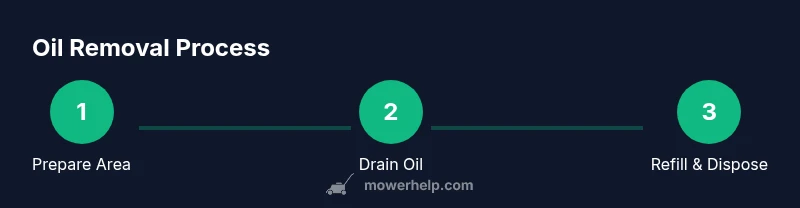
The following guide outlines the core steps for how to remove oil from lawn mower, with emphasis on safety and cleanliness. You will prepare the work area, drain the oil into a suitable container, remove any filters if necessary, and replace the drain plug before refilling with fresh oil. Proper disposal of the used oil is as important as the draining itself; this keeps your yard clean and prevents environmental harm. Throughout the process, maintain a tidy workspace by wiping up drips immediately and using a catch basin that is large enough to hold all the oil. This preparation minimizes cleanup time and helps you complete the task without frustration.
Common mistakes to avoid when removing oil from lawn mower
Common errors when performing how to remove oil from lawn mower include draining oil on uneven ground, failing to secure the drain plug, and overfilling the oil after a refill. Some DIYers rush and spill oil on the concrete or soil. Always check for drips after reinstalling the drain plug and before starting the engine. Forgetting to dispose of used oil properly is another frequent mistake; always seal the container and transport it to an approved recycling facility. When in doubt, take extra minutes to ensure the pan is positioned correctly and that all tools are accounted for, which prevents accidents and reduces cleanup time.
Aftercare and maintenance after oil removal
Once you have successfully removed oil from lawn mower and disposed of the used oil, perform a quick post-drain check. Wipe the exterior clean and inspect for any oil residue around the drain plug, oil filter, and a possible leak point. Refill with the correct type and amount of fresh oil as specified in the owner’s manual, then run the engine briefly to circulate the new oil. After running, recheck the oil level and look for leaks again. Finally, clean your work area and store leftover oil and tools properly. Following these steps helps ensure your mower remains reliable and safe for the next mowing session.
Tools & Materials
- Oil drain pan (1-2 gallon capacity)(Flat-bottomed with low sides to catch oil)
- Drain plug wrench or socket set(Use the correct size for your mower's drain plug)
- Shop towels or rags(For quick cleanups and wiping surfaces)
- Funnel (plastic, medium)(To pour new oil without spills)
- Gloves and safety glasses(Protect skin and eyes from splashes)
- Disposable container for used oil(Seal for transport to recycling facility)
- New oil compatible with mower (type and quantity per manual)(Check manufacturer's specs)
- Oil filter wrench (if applicable)(Only if your mower has a replaceable filter)
- Drip mat or cardboard(Place under mower for added protection)
- Local disposal guidance contact or map(Know where to recycle used oil)
Steps
Estimated time: 30-45 minutes
- 1
Prepare the work area
Position the mower on a flat, level concrete surface in a well-ventilated area. Engage the parking brake if applicable and ensure the engine is cool before starting. Place a catch pan beneath the drain area and lay down protective absorbent material to minimize spills.
Tip: Having a helper hold the catch pan can prevent tipping and splashing. - 2
Disconnect the spark plug
Carefully detach the spark plug boot to prevent accidental engine start while you drain oil. If accessible, disconnect the wire from the spark plug end and secure it away from moving parts.
Tip: Even a small nudge can cause a spark; double-check you’re fully disconnected. - 3
Position the drain pan
Slide the drain pan directly under the oil drain plug. Ensure the pan is wide and deep enough to hold all oil without overflowing. If you expect a heavy flow, use a second containment tray to catch spills.
Tip: A tray with raised edges reduces the chance of spills reaching the floor. - 4
Remove the drain plug
Using the appropriate wrench, loosen and remove the drain plug slowly. Let the oil flow steadily into the pan; avoid removing the plug too quickly to minimize splashing.
Tip: Keep your hand away from the hot oil path and maintain control of the plug. - 5
Drain the sump completely
Allow several minutes for all oil to drain. If dripping slows, rotate the mower slightly to help the remaining oil escape. Do not strain the engine by forcing oil out of a clogged path.
Tip: Give it a few extra minutes to ensure a thorough drain. - 6
Remove the oil filter (if applicable)
If your mower has an oil filter, use the filter wrench to remove it and let any remaining oil drain from the housing. Cap the filter with a rag to minimize drips.
Tip: Some models don’t have an external filter; skip this step on those units. - 7
Replace drain plug and wipe area
Reinstall the drain plug and tighten to the manufacturer’s specification. Wipe away any drips from the plug area and surrounding surfaces.
Tip: Use a torque wrench if you know the manufacturer’s torque spec. - 8
Refill with fresh oil
Place the funnel in the oil fill opening and pour in the recommended oil type and amount. Stop before overfilling; use the dipstick or sight glass to check the level as you go.
Tip: Pour slowly and check the level frequently to avoid spills. - 9
Check for leaks and start the engine
Reconnect the spark plug boot, start the engine, and let it run for a brief period. Observe under the mower for any signs of leaks, drips, or spills.
Tip: If you see a leak, stop the engine and recheck the drain plug. - 10
Dispose of used oil properly
Seal the used oil in a labeled container and transport it to an approved recycling or disposal facility. Do not pour used oil onto soil, down drains, or into the trash.
Tip: Keep the container sealed when not in use to prevent spills.
Got Questions?
Do I need to run the engine before draining oil?
Warming the oil slightly by running the engine for a few minutes helps it drain more completely, but never drain while the engine is hot. Allow it to cool briefly if you’re unsure. This reduces the risk of burns and minimizes spills.
Warming the oil a little helps draining, but don’t drain while hot—wait until it’s safe.
What should I do if oil spills on the ground?
Contain the spill with absorbent material, then clean the area with a degreaser and dispose of the absorbent properly. Prevent further spreading by using a barrier and placing a tray beneath the mower.
Contain the spill with absorbent material and clean it up right away.
How often should I change mower oil?
For many small engines, changing oil every season or after every 25–50 hours of operation is common. Check your mower’s manual for the manufacturer’s recommended interval and oil type.
Change oil according to the manual, typically each season or after 25 to 50 hours of use.
Can I remove oil without tools?
Some models allow drain plug removal by hand, but most require a wrench or socket. Always use the proper tool size to avoid damaging the plug or pan.
Usually you need the right tool to loosen the drain plug safely.
What about oil filters?
Many small mowers don’t have a separate filter, but if yours does, remove and drain it with the same care as the sump. Replace the filter if recommended by the manufacturer.
If there’s a filter, remove and drain it; replace if advised.
Watch Video
The Essentials
- Prepare a clean workspace to minimize spills.
- Drain oil only into an approved catch container and recycle.
- Refill with the correct oil grade and verify level before running.
- Inspect for leaks after refill and cleanup any drips.
- Follow local guidelines for disposal of used oil.