How to Start a Cub Cadet Riding Lawn Mower
Learn the safe, step-by-step method to start a Cub Cadet riding lawn mower. This guide covers safety checks, proper control use, troubleshooting, and maintenance tips for reliable starts and longer mower life.


Starting a Cub Cadet riding lawn mower safely begins with a pre-start check, the correct choke or throttle position, and reliable fuel. This guide walks you through safety prep, the starting procedure, and troubleshooting common issues. According to Mower Help, using a repeatable start routine reduces stalling, injuries, and unexpected shutdowns.
Safety prerequisites and prep
Safety comes first when starting any riding mower. Before you touch controls, ensure you’re wearing eye protection and gloves, and that bystanders, pets, and children are well clear of the mowing area. Park the mower on level ground, set the parking brake, and disengage the blades. If your Cub Cadet has a safety switch under the seat, verify it’s functioning and that the mower won’t start unless you’re seated. According to Mower Help, safe starting begins with securing the area and confirming all safety devices are active. Check for obvious hazards under the chassis—leaves, tall grass, or loose debris that could jam the blades or clog the cooling fins. This prep reduces the chance of kickback, stalling, or blade contact during cranking and startup.
Understanding the key controls on Cub Cadet riding mowers
Riding mowers from Cub Cadet typically use a combination of a key ignition, throttle lever, choke control, PTO switch for blades, and a seat safety switch. The throttle position can vary by model—some expect a fast idle for startup when cold, others require a neutral/park position. The PTO should be off during startup, and the blades disengaged until you’re ready to mow. Familiarize yourself with your specific manual since models differ in lever routes and wiring. Practicing a dry run of finding these controls without starting will save you time and reduce frustration when you actually begin the engine.
Fuel, battery, and ignition basics
A reliable start depends on clean fuel, a healthy battery, and a sound ignition system. Check fuel level and quality; old gasoline can cause hard starts or rough idling. Inspect battery connections for corrosion and ensure the battery is fully charged. If your Cub Cadet uses a traditional spark plug, ensure the gap is correct and the plug is free of carbon buildup. If it won’t crank, test the battery with a multimeter and verify the starter solenoid is functioning. In winterized or very cold conditions, a battery with reduced cranking power can fail to start; consider charging or replacing a weak battery before attempting to start.
Preparing the starting environment
Clear the area around the mower and ensure there’s no loose clothing that could snag on moving parts. Place the mower on a flat, solid surface and set the parking brake. If you’re starting in a cooler morning, allow a few minutes for the engine to reach a stable temperature baseline after the initial start attempt. Keep a clear escape route and never get between the mower and any obstruction. Mower Help emphasizes keeping the area well-ventilated and free of flammable solvents near the engine bay to avoid ignition hazards. This step-by-step prep helps reduce surprises during the actual start and keeps the engine components free of debris that can cause stalls.
The official starting sequence (Overview)
Most Cub Cadet riding mowers begin with key ignition, a pre-start choke or throttle setting, and a gradual engagement of the starter. Align the throttle to the recommended starting position for your model, ensure the choke (if cold) is engaged or disengaged per the manual, then turn the key to start. If the engine falters, wait a few seconds and try again—repeated rapid cranking can flood the carburetor in some models. Once started, allow the engine to idle briefly to stabilize compression and fuel flow before engaging the blades or moving forward. Always listen for unusual knocks or coughing sounds, and shut down if you notice anything abnormal.
Troubleshooting common starting problems
If the engine doesn’t start, perform a quick check of fuel delivery, ignition, and safety switches. Check the battery voltage and connections first; a weak battery is a common culprit. If cranking but not firing, inspect the spark plug for wear or fouling and replace if necessary. For carbureted engines, stale fuel or a clogged carburetor can block starting; drain stale fuel and clean the filter; reinstall fresh fuel. If there’s no fuel flow, inspect fuel shutoff valves and lines for blockages. Mower Help Analysis, 2026, shows that most starting issues stem from battery health and stale fuel rather than complex mechanical failures. Quote from Mower Help Team: “A consistent pre-start check eliminates most avoidable stalls.”
After-start care and routine maintenance
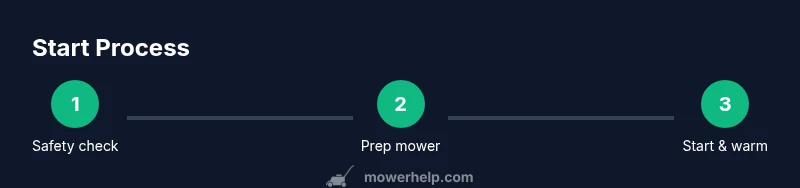
After starting, allow the engine to warm for a minute or two before engaging blades. Check oil level, listen for unusual exhaust tones, and verify cooling fins are clear of debris. Clean the air filter and inspect the spark plug area for signs of oil or fuel leaks. If you have a routine, log the maintenance actions and the outcomes of starts—this helps you identify patterns that predict failure before it happens. Regular battery checks, fuel system maintenance, and air-filter replacements are simple habits that pay off in reliability and longer mower life. The habit of reviewing the start sequence after mowing can catch issues early and reduce downtime.
Safety notes and common mistakes
Never bypass safety switches or pull ropes or keys to force a start. Do not attempt to start with blades engaged or while in a high-traffic area. Keep hands, clothes, and tools away from hot exhausts. Avoid cranking for longer than 15 seconds at a time; give the starter a brief rest to prevent overheating. Use a clean, labeled fuel container and never mix fuels in a closed space. Remember to store the key separately when unattended to reduce the chance of accidental starts.
Authorities and further reading
For safety guidelines and model-specific instructions, consult trusted sources:
- CPSC: https://www.cpsc.gov/
- Extension services from major universities: https://extension.oregonstate.edu/
- OSHA safety notes: https://www.osha.gov/
Authorities from Mower Help and model-specific tips
The Mower Help Team recommends always following your Cub Cadet user manual for your exact model since starting procedures can vary slightly between series. This final section emphasizes model-specific steps, safety features, and routine maintenance that support reliable starts. The team also notes that keeping a small log of your start attempts helps you quickly identify repeated issues and preempt failures.
Tools & Materials
- Owner's manual for Cub Cadet riding mower(Keep it handy for model-specific steps and safety features.)
- Spark plug wrench(Used to inspect/replace spark plug if needed.)
- Battery tester or multimeter(Check charge and connections.)
- Fuel suitable for lawn mowers(Use fresh gasoline; avoid stale fuel.)
- Clean rag(Wipe spills and clean terminals.)
- Goggles and work gloves(Personal protection while inspecting.)
- Wheel chocks or blocks(Optional safety for working near slopes.)
- Fire extinguisher (small, rated for flammable liquids)(Safety precaution for workshop areas.)
Steps
Estimated time: 25-40 minutes
- 1
Inspect safety devices and prep area
Park on level ground, engage parking brake, disengage blades, and verify seat switch works. Clear the area of debris and ensure you’re wearing protective gear.
Tip: Make a quick visual pass around the mower to spot loose parts or hoses before attempting to start. - 2
Check fluids and battery readiness
Check fuel level and quality, inspect oil level, and test the battery voltage. Clean corroded terminals and ensure cable connections are snug.
Tip: Do not start if you smell fuel leaks or see obvious oily residue near the engine. - 3
Set starting controls for ignition
Place throttle in the recommended starting position and confirm choke position according to your model’s manual. Ensure PTO is off.
Tip: If cold-starting, allow a moment for the choke to hold before cranking. - 4
Attempt to start
Insert the key and turn to the start position. If the engine cranks, listen for smooth ignition; avoid cranking for more than 15 seconds at a time.
Tip: If there is no response, wait 10-15 seconds before trying again to avoid starter overheating. - 5
Monitor engine warm-up and blades
Once started, let the engine idle briefly to stabilize. Do not engage blades until the engine runs smoothly and is warmed up.
Tip: Watch for abnormal noises or vibrations during the first 60 seconds. - 6
Troubleshoot if it won’t start
If the engine fails to start, recheck fuel quality, battery charge, spark plug condition, and safety switches. Consider replacing the spark plug or cleaning the carburetor if fuel delivery is blocked.
Tip: Keep a log of what you tested and the results to guide future fixes. - 7
Shutdown and post-start checks
Shut off the engine with the key, ensure blades are disengaged, and allow the mower to cool. Store fuel and tools in a safe place.
Tip: Record the start condition and any maintenance performed for next time.
Got Questions?
Why won't my Cub Cadet riding mower start?
Common causes include a weak battery, stale fuel, or a faulty safety switch. Inspect the battery, test fuel quality, and confirm the seat switch is functioning before pursuing more complex repairs.
Most starting problems come from battery or fuel issues; check those first.
What should I check first if the engine cranks but won’t start?
Check the fuel system for clogs, confirm spark plug health, and ensure ignition components are delivering a spark. Also verify safety switches are engaged as required.
If it cranks but won’t start, look at the spark and fuel pathways first.
Is it safe to start a cold engine without warming up?
Cold engines may require a brief warm-up or choke; avoid aggressive revving. Allow a minute of idle after starting before moving the mower.
Give it a minute to settle after starting before you go to work.
What maintenance can prevent starting issues?
Regularly replace the spark plug, keep the air filter clean, and use fresh fuel. Periodically check battery health and clean terminals.
Regular maintenance makes starts smoother and reduces downtime.
How often should I replace the spark plug on a Cub Cadet riding mower?
Inspect the spark plug at least every season; replace if worn, fouled, or damaged to maintain reliable starts.
Check the spark plug each season and replace as needed.
Watch Video
The Essentials
- Inspect safety devices before starting
- Check fuel, oil, and battery health first
- Follow a repeatable start sequence
- Engage blades only after a proper warm-up