Parts for a Cub Cadet Riding Lawn Mower: Essential Guide
A data-driven guide to Cub Cadet riding mower parts, covering model identification, OEM vs aftermarket choices, sourcing tips, and practical DIY maintenance to extend mower life.


Parts for a Cub Cadet riding lawn mower include belts, blades, filters, spark plugs, batteries, ignition components, and deck spindles. OEM Cub Cadet parts typically guarantee fit and warranty, while high-quality aftermarket parts can save money. Always start by identifying your model and cross-checking part numbers in the official diagrams before purchasing.
Understanding parts for a cub cadet riding lawn mower
Parts for a cub cadet riding lawn mower are not a single category but a broad ecosystem that keeps your machine cutting, steering, and safe. The Cub Cadet line encompasses different deck widths, drive types (hydrostatic and manual), and engine choices, which means the parts you need depend on your exact model and year. According to Mower Help, starting with a clear inventory of commonly worn items—belts, blades, air and fuel filters, spark plugs, and the battery—sets you up for smoother maintenance. In practice, this means creating a small parts kit you can pull from during routine service intervals. The maintenance mindset should be proactive: inspect belts for cracking or glazing, check blades for nicks, and replace filters before they clog the engine. A thoughtful parts strategy minimizes downtime, reduces emergency trips to the shop, and extends the mower’s lifespan.
Identifying the correct part number and compatibility
Finding the right part begins with precise identification. Locate the model and serial number on the mower frame or under the hood, then consult the owner’s manual or the official Cub Cadet parts diagrams. Cross-reference the part number against both Cub Cadet’s catalog and trusted retailers to confirm fitment. Mower Help emphasizes using the exact diagram for your model year, because small changes in a single year can alter compatibility. If you have trouble, capture photos of the diagram and the serial plate, then reach out to an authorized dealer for verification. Taking these steps saves time and prevents purchasing incorrect parts. Remember: accuracy in the initial step pays off in long-term reliability.
OEM vs aftermarket parts: pros, cons, and what to expect
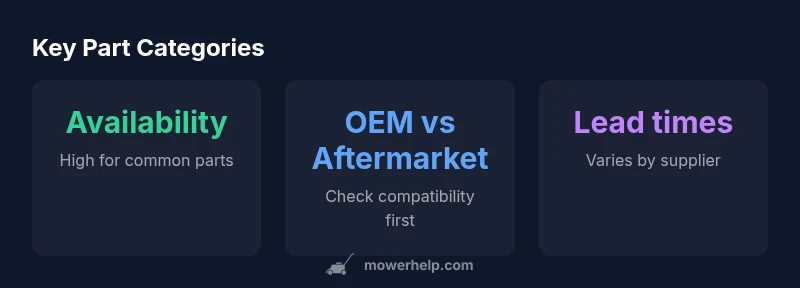
When deciding between OEM and aftermarket parts, balance fit, warranty, and cost. OEM parts are designed specifically for Cub Cadet machines, which often means guaranteed fit and participation in the manufacturer’s warranty terms. Aftermarket parts can be more affordable and may offer equivalent performance when sourced from reputable brands, but quality and compatibility can vary. The key is due diligence: verify part numbers, read reviews about your specific model, and confirm return policies. Mower Help’s guidance suggests evaluating critical components—such as belts, PTO assemblies, and spindles—first for OEM compatibility, while routine consumables like filters may be suitable for high-quality aftermarket options. The goal is to preserve performance without compromising safety.
Essential parts you should stock for routine maintenance
A practical maintenance mindset relies on stocking a core set of parts that wear regularly. At minimum, keep spare belts (deck and PTO), a few cutting blades in compatible sizes, a pair of air and fuel filters, a spark plug, a battery, and fresh engine oil and a suitable oil filter (if your engine design requires one). Additionally, have contact cleaner, carburetor cleaner, and lubricant specified by Cub Cadet on hand. By maintaining a simple, model-appropriate parts kit, you can handle most routine servicing without urgent trips to a dealer. Routine checks help catch wear early and prevent expensive repairs down the road.
How to verify part fitment before purchase
Before buying, confirm fitment with several checks. Start by matching the exact Cub Cadet model and year, then cross-check the part number against the official diagram. If you’re unsure, consult a dealer or service center—part numbers can vary across sub-models or production runs. Compare imagery on retailer listings with your mower’s diagram to ensure mounting points and connector types align. For critical components—such as drive belts and spindles—prioritize confirmation from multiple sources, as a wrong part can render a deck inoperable or cause safety issues.
Sourcing parts: where to buy Cub Cadet components
Trusted sourcing is essential for performance and safety. Start with official Cub Cadet dealers or authorized service centers for OEM parts; these channels offer warranty coverage and reliable compatibility. Online retailers with a long-standing reputation and clear return policies can be a good secondary option, especially for consumables like air filters and spark plugs. When shopping, demand clear part numbers, read return policies, and check whether the seller provides cross-reference guides. If you’re uncertain about a listing, contact customer support to confirm compatibility before purchasing.
Quality indicators for Cub Cadet riding mower parts
Quality indicators help you separate durable components from cheap imitators. Look for proper packaging, a clearly printed part number, and warranty terms. Reputable brands often provide installation instructions and compatibility notes for your model. When dealing with spindles, pulleys, or PTO components, inspect bearing smoothness and absence of play before installation. For filters and consumables, check that the product material and finish match the OEM’s specifications. Quality parts translate into longer service life and lower risk of misfit or unsafe operations.
Common mistakes to avoid when replacing parts
Avoid assuming a single part fixes multiple issues. Replacing a belt without inspecting the pulleys can lead to premature wear. Mixing OEM and aftermarket parts without verifying compatibility can create misalignment problems. Skipping the service manual’s recommended torque specs or lubrication points can cause improper seating or mechanical failure. Finally, ordering parts solely based on appearance instead of model-specific diagrams often leads to incorrect choices. Take small, deliberate steps and test the mower after each replacement.
Quick-start part replacement checklist
- Confirm mower model/year and locate the official parts diagram
- Gather the essential tools and your spare parts kit
- Replace one component at a time, starting with belts and blades
- Recheck belt tension and blade balance after installation
- Run a brief test cycle and inspect for unusual noises or vibrations
- Log the replacement in your maintenance record for future reference
Common part compatibility guidance
| Part Category | Fitment Guidance | Notes |
|---|---|---|
| Belts (deck & PTO) | Match length and width to deck model | Inspect pulleys and idle bearings for wear |
| Blades | Check blade type and mounting hole pattern | Sharpen/replace in pairs if worn equally |
| Filters (air/oil/fuel) | Verify filter size and mounting type | Replace at planned maintenance intervals |
Got Questions?
Where can I buy parts for a Cub Cadet riding mower?
Start with official Cub Cadet dealers or authorized service centers for OEM parts. Reputable online retailers are a second option for consumables and non-critical components, but always verify part numbers and return policies before purchasing.
Check with your official Cub Cadet dealer or trusted online retailers, and verify the part numbers first.
How do I identify the correct part number for my Cub Cadet?
Find the model and serial number on the mower, then use the parts diagram in the manual or online catalog to locate the exact part number. Cross-check with multiple sources to ensure accuracy.
Locate your model and serial number, then consult the official diagram to find the exact part number.
Are aftermarket parts reliable for Cub Cadet riding mowers?
Quality aftermarket parts can perform well when sourced from reputable brands, but reliability varies. For critical components, prefer OEM parts or verify the aftermarket part’s compatibility and warranty terms.
Quality aftermarket parts can be reliable if they come from reputable brands and match your model.
What maintenance parts should I stock up on?
Keep belts, blades, air and fuel filters, spark plugs, and a basic supply of oil and lubricants. Tailor the kit to your Cub Cadet model and the recommended service intervals.
Stock belts, blades, filters, spark plugs, and a small oil kit for routine maintenance.
How long do Cub Cadet parts generally last?
Lifespan varies by part and usage. Regular maintenance and proper operation can significantly extend service life, while aggressive use may shorten it.
Part lifespans depend on how you use and maintain the mower.
Do I need to replace parts in pairs?
Some parts, like blades, should be replaced in pairs to maintain balance. Other parts may be replaced individually if the diagram indicates a unique fit and wear pattern.
Blades should be replaced in pairs; other parts depend on wear and diagram guidance.
“Accurate model identification and using matched, quality parts is the fastest way to keep a Cub Cadet riding mower performing at peak.”
The Essentials
- Identify your model first to ensure fit.
- Choose OEM parts for critical components to protect warranty.
- Cross-check part numbers against official diagrams before buying.
- Keep a small, model-appropriate parts kit on hand.
- Prioritize high-quality parts to extend mower life.