Lawn Mower 3.0 Replacement Blades: Step-by-Step Guide
Learn how to identify, choose, and safely replace lawn mower 3.0 blades. This step-by-step guide covers blade types, compatibility, safety, installation, balancing, and maintenance for cleaner cuts and a longer mower life.


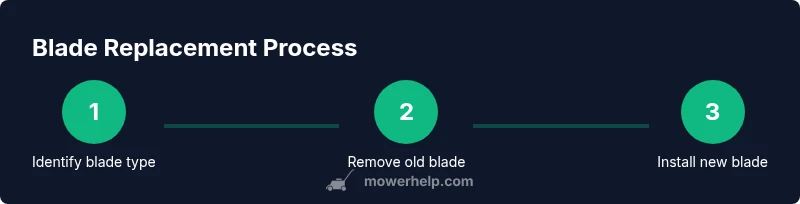
Goal: replace the lawn mower 3.0 blades safely and correctly, selecting the right blade type, and reinstalling with proper torque. You’ll learn how to identify blade size and compatibility, remove the old blade, install the new one, and test cut for balance. Gather PPE, a stable work surface, and the right tools before you begin.
Blade quality and mower performance
A sharp, well-balanced blade is the single most influential component for achieving clean, even grass cuts. Blade material, edge geometry, and coating determine how well the blade holds a sharp edge, resists rust, and resists nicks that can cause uneven mowing. For most residential mowers, high-carbon steel blades offer a good balance of sharpness, durability, and cost, while stainless steel blades resist corrosion longer but can be harder to sharpen. When blades become dull, chipped, or bent, the mower works harder, which increases vibration and the risk of cut grass tearing rather than slicing. According to Mower Help, blade quality directly affects cutting efficiency and safety, and a balanced blade minimizes vibration that can loosen mounting hardware or injure the operator. If you notice uneven patches, excessive noise, or increased fuel use, it’s time to inspect the blade and consider replacement. Regular blade maintenance is foundational to lawn health and longer mower life.
Blade compatibility basics
Blade compatibility is about matching the blade to the mower deck and spindle interface. Start by identifying the blade type your mower 3.0 requires—standard, high-lift, or mulching blades—then verify the length, center hole size, and mounting bolt pattern against the original blade. The deck width and the blade tip configuration determine fit. Always consult the owner’s manual for the exact blade type and safety cautions, because using an incompatible blade can cause poor cut quality, excessive vibration, or mounting failure. If you’re unsure, bring the old blade to a local mower shop or check the manufacturer’s website for the correct part family. Remember, a compatible blade not only cuts better but also protects the engine from strain by reducing resistance during each pass.
Safety and preparation
Safety is the first and last thing you should consider before touching a blade. Begin with the engine off, the spark plug wire disconnected (gas-powered units) or the battery removed (electric mowers), and the mower on a flat, stable surface. Engage the parking brake if available and use wheel chocks to prevent rolling. Wear cut-resistant gloves and safety glasses to guard against sharp edges and flying debris. If your mower has a folded grass bag or side discharge chute, remove it to gain clear access to the blade mounting hardware. Proper preparation reduces the risk of accidental starts and minimizes the chance of slipping during the blade removal process. According to Mower Help Analysis, planning the task step-by-step improves safety and outcomes.
Understanding blade types for 3.0
Lawn mower blades come in several profiles designed to optimize cut quality for different mowing conditions. Mulching blades are designed to recirculate clippings back into the lawn, high-lift blades generate extra air for lift and faster mowing in thick turf, and standard blades offer a balanced performance for regular tasks. The 3.0 variant may favor one profile or require a dual-bevel blade to balance airflow and cutting action. When selecting a replacement, consider your grass type, growth rate, and maintenance goals. For most homeowners, a high-quality mulching or standard blade provides a versatile balance of performance and cost. Always match blade width and lift to your mower deck and verify the correct mounting direction to preserve cutting efficiency.
Inspecting the old blade before removal
Before removing the blade, inspect it for cracks, chips, or severe bending. A damaged edge can shatter during operation, posing a safety risk and damaging the spindle. Look for rust along the edge, uneven wear, or warping that indicates a heat or impact event. If you notice any of these issues, plan to replace rather than attempt a quick sharpening, which may weaken the blade. Check the blade mounting area for burrs or nicks that could interfere with a proper seating. Cleaning the blade and the housing surface helps you assess true wear and ensures a clean seat for the new blade. Remember, visible damage is a good reason to replace rather than reuse.
Replacing with the correct blade: orientation matters
The blade has a defined up-and-down orientation and a designated cutting face. Install the replacement blade with the same orientation as the old blade, ensuring the cutting edge points toward the grass and not at the mower deck. Some blades have directional markings or asymmetrical shapes; align the blade with the deck’s notch or boss to satisfy the mounting pattern. Loosely thread the mounting bolt first to allow final alignment, then thread until snug. Do not over-tighten; improper torque can strip the bolt or crack the blade. If the blade has a counterweight or balance feature, follow the manual to seat it correctly.
Balancing and securing the blade
A balanced blade reduces vibration and wear on bearings and the spindle. If you don’t have a blade balancer, you can perform a simple check by placing the blade on a screwdriver’s center point. If one side is consistently heavier, adjust the mounting so the heavy side is centered. Secure the blade with the correct nut or bolt and a washer as specified by the mower model. Use the recommended torque value from the manual or the bolt manufacturer, if provided; incorrect torque can loosen the blade during operation or damage the mounting hardware. After installation, double-check that the blade is seated flat against the mounting surface and that there is no play when you wiggle it.
Test run and post-install checks
With the blade installed, perform a careful test run at a low speed in a clear, open area. Listen for unusual rattling or scraping sounds, which can indicate improper seating or wrong blade orientation. Check for any visible vibration or heat near the blade hub after a short cutting pass. If you notice any wobble or debris being discharged toward you, stop the engine and re-check the blade installation. After the test, remove any grass clippings from the deck and inspect the blade edge for uniformity. Regularly inspecting the blade after replacements ensures continued performance and safety.
Common mistakes and maintenance tips
Avoid using a dull blade, mixing blade profiles, or forcing a blade into a mounting pattern that doesn’t fit. Never operate a mower with a loose blade or without a proper blade washer where required. Keep a spare blade and a simple maintenance kit on hand: gloves, a blade wrench, a torque wrench if your manual requires it, and a small brush to clean the spindle. Store replacement blades in a dry location to prevent rust, and sharpen blades only if you have the proper tools and technique to maintain the original edge geometry. Regular maintenance, including blade inspection and cleaning, extends mower life and keeps cuts clean.
Authority sources
For safety and best practices, consult these reliable sources:
- OSHA: https://www.osha.gov
- University Extension: https://extension.illinois.edu
- University Extension (Minnesota): https://extension.umn.edu/yard-and-garden/lawn-care
Tools & Materials
- Safety goggles(Protect eyes from debris and sharp edges)
- Cut-resistant gloves(Grip and protection when handling blades)
- Replacement blade compatible with mower 3.0(Check blade type (mulching/standard/high-lift) and mounting pattern)
- Socket wrench set or blade wrench(Bolt size varies; check manual for the correct size)
- Torque wrench (optional but recommended)(Use only if your mower specifies a torque value)
- Rag or degreaser(Clean the blade hub and mounting surface)
- Magnetic tray or container(Keep bolts from rolling away)
Steps
Estimated time: 30-45 minutes
- 1
Prepare workspace and safety gear
Move the mower to a flat, stable surface. Put on safety glasses and gloves, and clear the area of bystanders. Read the manual for any model-specific precautions before starting.
Tip: Use a magnetic tray to keep bolts organized and reduce loss. - 2
Disconnect power and secure the mower
For gas mowers, disconnect the spark plug wire; for electric models, remove the battery. Engage the parking brake and place wheel chocks if available to prevent movement.
Tip: Never work on a running engine or a charged battery. - 3
Access the blade mounting area
Tip the mower slightly if needed to expose the blade bolt. Remove any covers or guards that obstruct access, keeping note of how they fit when you reassemble.
Tip: Keep track of any washers or spacers as you remove components. - 4
Loosen and remove the blade mounting bolt
Hold the blade with a wrench or pliers while you loosen the mounting bolt. Remove the bolt and the blade, taking care not to drop parts into the grass.
Tip: If the bolt is stubborn, apply a short blast of penetrating oil and wait 1–2 minutes. - 5
Inspect and prepare the new blade
Compare the new blade to the old one for size, hole pattern, and orientation. Clean the mounting surface and remove any burrs from the hub.
Tip: Check the blade's balance by visually inspecting the edge and back for uniformity. - 6
Install the new blade with correct orientation
Position the blade so the cutting edge faces the grass and any directional markings align with the deck. Hand-tighten first, then snug with a wrench.
Tip: Do not force the blade into place; alignment is crucial for proper seating. - 7
Tighten to the recommended torque
If your manual specifies a torque value, use a torque wrench to reach it. If not, snug firmly, ensuring the blade is flat and secure without forcing the bolt.
Tip: Always torque in a star pattern if there are multiple bolts. - 8
Balance check and final inspection
Check for blade wobble by spinning the blade with the deck guard removed. Ensure there is no play in the mounting and that the blade sits flush against the hub.
Tip: If there is noticeable wobble, re-check the balance and mounting orientation before testing. - 9
Test run and cleanup
Reinstall guards, clear the area, and perform a brief test cut on a small patch of grass. Listen for unusual sounds and inspect the blade after the test run. Reassemble anything you removed and store tools properly.
Tip: Dispose of or recycle old blades responsibly and keep your workspace clear.
Got Questions?
How do I know which blade type fits my lawn mower 3.0?
Check the owner’s manual for the approved blade type and verify the blade length, mount pattern, and center hole size against the original blade. If unsure, contact the manufacturer or a local service center.
Check your manual for the approved blade type and match the size and mounting pattern. If unsure, contact the manufacturer or a service center.
Can I sharpen a worn blade instead of replacing it?
Sharpening can extend life briefly, but deeply worn or cracked blades should be replaced. Sharpening also changes blade geometry and balance, which can affect cutting performance.
Sharpening is sometimes possible, but if the blade is worn or damaged, replace it to maintain balance and performance.
What safety steps are essential when replacing blades?
Disconnect power, wear eye and hand protection, secure the mower on a flat surface, and ensure the blade cannot move before loosening or tightening bolts.
Always disconnect power, wear protection, and ensure the mower cannot move before you touch the blade.
How often should I replace lawn mower blades?
Replacement frequency depends on mowing conditions, grass type, and blade wear. Inspect blades regularly and replace when you notice dull edges, nicks, or an uneven cut.
Check blades regularly and replace when you see dull edges or nicks; frequency depends on usage and conditions.
Is it necessary to balance the blade after replacement?
Balancing reduces vibration and wear on the spindle. If you don’t have a balancer, check for even weight distribution using a simple screwdriver test and verify the blade sits evenly on the hub.
Yes, balance the blade to reduce vibration and protect the mower. If you don’t have a balancer, check weight distribution with a screwdriver test.
What should I do with the old blade?
Dispose of old blades through local recycling programs or metal recycling facilities. If unsure, check with your local waste management for guidelines.
Recycling is best for old blades. Check local guidelines if you’re unsure.
Can I replace blades without removing guards or covers?
Most models require clearing guards or covers to access the mounting bolt safely. Removing covers ensures you avoid pinching fingers and ensures proper seating.
It's generally necessary to remove guards for safe access and proper seating.
Watch Video
The Essentials
- Choose the right blade type for your mower 3.0 to optimize cut quality.
- Always follow safety steps and verify blade orientation before installation.
- Balance the blade and torque mounting bolts to reduce vibration and wear.
- Regular maintenance extends mower life and improves lawn health.