Lawn Mower Idling Up and Down: Fast Troubleshooting Guide
Urgent troubleshooting guide for lawn mowers idling up and down. Learn the top causes, quick checks, and a step-by-step repair plan to restore a stable idle and prevent future stalls.


Start with the simplest checks: a clogged air filter, stale fuel, and loose throttle linkage are the most common culprits when a lawn mower is idling up and down. If the engine lurches, re-check fuel and air pathways, ensure the idle speed screw is set correctly, and confirm the choke isn’t partially engaged. These quick steps often stabilize idle.
Understanding Idle Oscillation in Lawn Mowers
When a lawn mower is idling up and down, the engine seems to surge and dip even at a steady throttle. This oscillation can be alarming, but in most cases it points to a few common culprits. According to Mower Help Team, the symptom is frequently caused by issues in the fuel path, air intake, or throttle linkage. Diagnosing it quickly involves looking for simple, observable problems before diving into parts replacement.
Key signals include: rough idle within 1000-3200 RPM, engine sounds a bit like it's gasping for air, and occasional stalling when load increases. Keep the mower on a level surface, ignition off, and remove the spark plug boot only when you’re sure the engine is cool. If you notice fuel leaks, oil contamination, or smoking, stop and reassess for safety.
In many cases, the idle oscillation is not a symptom of a major mechanical failure but of what we call “maintenance debt”—fuel varnish, clogged filters, or loose connections that worsen over time. The good news: the fix is usually affordable and doable with basic tools. This guide provides a clear path to identification and correction so you can get back to a clean, even idle.
Quick Checks You Can Do Safely (No Tools Required)
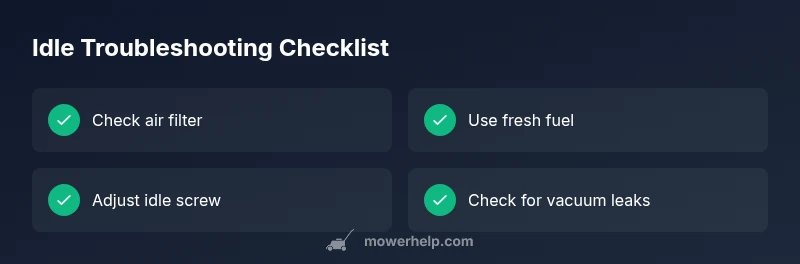
Before you crack open a carburetor, perform a few rapid checks that require no tools. Start by inspecting the air intake: a dirty or blocked air filter reduces airflow and can cause sputtering or idle drift. If it’s clogged, replace it. Next, evaluate the fuel: old gasoline or ethanol blends can degrade and varnish the fuel system, causing inconsistent idle. Drain and replace with fresh fuel, and add a fuel stabilizer for storage.
Check the choke position: if the choke stays partially engaged, it can stall the engine when warmed up. Confirm the throttle linkage moves freely by hand and returns smoothly to idle. Lastly, ensure the spark plug is clean and gaps are correct; a fouled plug can contribute to rough idle and misfires. If you perform these steps and the idle behavior remains, move to more involved diagnostics.
In-Depth Causes That Lead to Idle Oscillation
Idle oscillation can stem from several root causes, some simple to fix and others requiring more attention. Here are the most common:
- Dirty or clogged air filter: restricts air and can make the engine stumble at idle.
- Old or contaminated fuel: varnish forms in the carburetor and jets, causing erratic fuel flow.
- Idle speed screw misadjustment: an out-of-spec idle RPM can cause oscillations as the engine fights to maintain a steady idle.
- Vacuum leaks in intake or crankcase: small leaks create fluctuating air/fuel mixtures and surges.
- Carburetor varnish or sticking throttle: sticky butterfly valves can cause surging as the throttle struggles to settle.
- Ignition issues (less common): a fouled spark plug or marginal ignition coil can manifest as rough idle and surges.
Addressing multiple causes at once is common; start with the simplest and most likely fixes like air and fuel, then move deeper if needed.
How to Diagnose and Isolate the Cause
A methodical approach saves time and money. First, rule out air and fuel problems: replace the air filter and use fresh, stabilized fuel. Next, verify idle settings on the carburetor: adjust the idle speed screw to the manufacturer’s recommended RPM range and ensure the linkage returns to idle smoothly. If the issue persists, inspect for vacuum leaks around gaskets and hoses using a simple spray test around intake joints while the engine is running.
If there’s no improvement, consider cleaning the carburetor or performing a rebuild kit installation. Finally, test the mower under load (sawing resin, mowing tall grass) to confirm idle stability under normal operating conditions. If the engine still surges, it’s time to consult a professional for carburetor restoration or ignition system checks.
Maintenance and Preventive Tips to Stop Idle Issues
Preventing idle drift starts with a proactive maintenance routine. Schedule a seasonal check: replace air filters, inspect spark plug gaps, and drain/replace fuel before storage. Use fresh, high-quality gasoline and add stabilizer if the mower sits for more than a month. Periodically clean the carburetor and its jets, and inspect the throttle linkage for smooth operation. Keep the engine cooling fins clear of grass clippings to prevent overheating, which can aggravate idle symptoms. A little forethought goes a long way toward reliable starts and steady idle.
When to Seek Professional Help
If you’ve completed the diagnostic flow and the mower still idles erratically or exhibits backfiring, it’s time to bring in a pro. Chronic carburetor issues, cracked intake manifolds, or worn ignition components typically require specialized tools and expertise. Safety should always come first: if you smell fuel leaks, hear unusual noises, or see smoke, stop immediately and arrange service.
Steps
Estimated time: 25-40 minutes
- 1
Power down and secure the mower
Shut off the engine, remove the spark plug boot, and wait for the engine to cool before touching any components. This prevents accidental starts and reduces burn risk.
Tip: Use wood or a rubber mat to avoid grounding sparks near fuel. - 2
Inspect and replace the air filter
Open the air filter housing, remove the filter, and inspect for dirt or damage. If dirty, replace with a new filter of the same model. Re-seat the housing securely.
Tip: Even a slightly dirty filter can throttle airflow enough to cause idle fluctuations. - 3
Check fuel quality and supply
Drain old fuel from the tank if it’s stale or contaminated. Refill with fresh gasoline and add a stabilizer if you won’t use the mower soon. Run the engine briefly to purge the fuel lines.
Tip: Avoid ethanol-heavy fuels in small engines whenever possible. - 4
Verify the idle speed screw and linkage
Locate the idle screw on the carburetor and adjust slowly according to the service manual. Ensure the throttle linkage moves freely and returns to idle without binding or sticking.
Tip: Make small adjustments and test run after each change. - 5
Carburetor cleaning or rebuild
If varnish or gum is suspected, clean the carburetor with approved cleaner or replace the gaskets and jets as needed. Reassemble and test idle.
Tip: Do not force jets or components; follow manual torque specs. - 6
Test under load and finalize
Start the mower, let it warm, then engage the cutting deck or a light load to observe idle stability. If oscillations persist, consider professional service.
Tip: Keep a notebook of idle RPM before and after adjustments for future reference.
Diagnosis: Lawn mower idling up and down
Possible Causes
- highDirty or old fuel causing varnish and inconsistent supply
- highClogged or dirty air filter restricting airflow
- mediumMisadjusted idle speed screw or faulty throttle linkage
- lowVacuum or intake gasket leak
- mediumCarburetor issues or varnish buildup
Fixes
- easyReplace air filter and clean the air intake
- easyEmpty and refill with fresh, stabilized fuel; run to purge varnish
- easyAdjust idle speed screw per manual; ensure linkage returns to idle
- mediumClean carburetor and rebuild kit if varnish is present
- mediumInspect and replace vacuum lines or gaskets if leaks detected
Got Questions?
What causes a lawn mower to idle up and down?
Common causes include a dirty air filter, stale fuel, carburetor varnish, vacuum leaks, and an out-of-adjust idle screw. Each issue affects air-fuel balance and engine response at idle.
Common idle issues come from dirty air, old fuel, varnish in the carburetor, or a misadjusted idle screw.
Can I fix this myself?
Yes, many idle problems are solvable with basic maintenance: replace the air filter, use fresh fuel, and adjust the idle screw. More stubborn carburetor issues may require cleaning or professional service.
Yes, start with air, fuel, and idle adjustment, then decide if you need a pro for carburetor work.
Is it dangerous to run a mower that idles badly?
Prolonged idle issues can lead to stalling under load and unexpected cutting performance loss. Stop and diagnose if you notice smoke, strong fuel smells, or loud noises.
It can be unsafe to run with bad idle; fix promptly and avoid heavy loads.
How often should I clean the carburetor?
If you use the mower regularly, inspect and clean the carburetor seasonally or whenever you notice performance changes. Use a carburetor cleaner and follow the service manual.
Seasonally or when performance drops, clean the carburetor with the correct cleaner.
What fuel type is best for idle stability?
Use fresh gasoline with proper storage, and avoid old blends. Stabilizers help maintain fuel quality for smoother idle.
Fresh fuel with stabilizer improves idle stability.
When should I replace the air filter?
Replace the air filter whenever it's visibly dirty, damaged, or restricting airflow. A clean filter helps maintain a steady idle.
Replace a dirty or damaged air filter to restore idle quality.
Watch Video
The Essentials
- Inspect air and fuel first to fix idle drift.
- Adjust idle screw and test with load.
- Clean or replace the carburetor if varnish is present.
- Prevent future idle issues with regular maintenance.