Lawn Mower Spark Plug Check: A DIY Guide
Learn how to check your lawn mower spark plug, inspect for fouling or wear, adjust the gap, and replace if needed to improve starting reliability and performance.


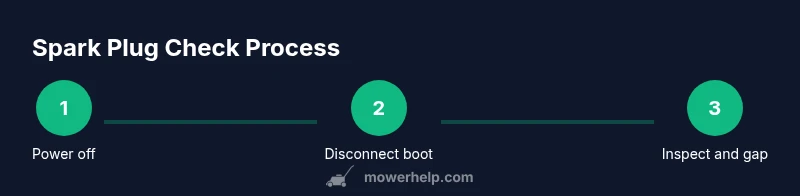
To check a lawn mower spark plug, locate the plug, disconnect the boot, inspect for deposits or wear, gap the electrode to the manufacturer spec, clean or replace if fouled or damaged, then reinstall and test by starting the engine. For safety, ensure the mower is off and cooled before touching the plug.
What a spark plug does in a lawn mower
The spark plug is a small but critical component inside every gasoline-powered lawn mower. It sits in the engine’s cylinder head and creates the spark that ignites the air-fuel mixture at the precise moment the piston is at top dead center. A reliable plug improves starting, throttle response, fuel economy, and overall mower performance. According to Mower Help, understanding how this single part works helps homeowners diagnose rough starting, misfires, or power loss without guessing. Over time, normal use can deposit carbon, oil, or fuel residues on the electrode insulator, which changes the gap and reduces spark reliability. The result is hard starting, rough running, or increased fuel consumption. Regular inspection of the spark plug is a simple, low-cost maintenance task that pays back every mowing season. If your mower is older or subjected to dirty air, this check should become part of your routine, much like oil changes or blade care. Keep in mind that not all models use the same plug; always consult the owner's manual for the correct thread size and reach. This knowledge empowers DIY maintenance and gives you confidence when trouble shoots around the yard.
Signs your spark plug needs attention
A spark plug that needs attention often shows visible signs of fouling or wear. Carbon deposits, black soot, or oily residues on the porcelain indicate improper combustion or oil leaks, while a worn or rounded electrode can cause weak sparks. Misfiring, hard starting, reduced power, or rough idle are common symptoms that point to spark plug trouble. According to field observations shared by the Mower Help team, frequent starting issues are a prevalent signal that a plug should be checked. If you notice any of these symptoms, begin with a visual inspection and proceed to a controlled test. In many cases, addressing the plug alone resolves the issue, saving time and fuel. Remember that environmental conditions, fuel quality, and engine age all influence plug condition. PSA: always handle with care and keep a clean workspace to avoid introducing new contaminants.
Tools and parts you'll need
Before you begin, gather the essentials so you don’t pause mid-task:
- spark plug socket with ratchet (essential)
- replacement spark plug of the correct type for your mower (essential)
- gap gauge or feeler gauge (essential)
- clean rag for wiping deposits (optional but helpful)
- small screwdriver or pliers for boot removal (optional but handy)
Having these on hand keeps you moving and reduces the risk of cross-contamination or damage to the spark plug seat.
How to identify fouling and wear without removing the plug
If you’re trying to diagnose issues before removing the spark plug, you can perform a quick visual check from the boot area. A dirty or oily boot can indicate fouling originating from an oil seal leak or fuel over-fueling. A clean boot and a dry porcelain plug visually suggest normal operation, but still requires removal for exact testing. This pre-check helps you decide whether you should proceed with removing the plug or perform a lighter maintenance task like cleaning deposits at the gate. By combining these pre-checks with symptom-tracking (e.g., starting behavior, throttle response), you gain a better sense of root causes and can avoid unnecessary disassembly. Always work in a well-lit area, and disconnect the spark plug boot from the plug before touching any metal parts to reduce shock risk.
Cleaning, gap checking, and replacement guidance
When the plug is removed, inspect the electrode and insulator closely. Light carbon fouling can sometimes be cleaned with a soft brush, but oil or heavy fuel fouling typically requires replacement. Avoid aggressive cleaning that can damage the ceramic insulator. Use a gap gauge to verify the electrode gap matches your engine’s specification; if the gap is out of spec, adjust carefully or replace the plug. Reinstall the plug finger-tight, then finish with a snug, not overtight, torque using a wrench or socket. Reconnect the spark plug boot, ensuring a secure fit to prevent arcing. Finally, start the engine to confirm smooth operation. This sequence keeps your mower reliable and extends engine life.
Maintenance schedule and best practices
Incorporate spark plug checks into your seasonal maintenance routine. Even if there are no obvious symptoms, a quick plug check at the start of mowing season can prevent mid-season failures. For engines prone to fouling or heavy use in dusty environments, consider inspecting more often. Pair plug checks with other routine tasks like air filter replacement and blade sharpening for optimal performance. Keeping a spare plug on hand is a smart proactive measure, reducing downtime if a plug fails during a project. Following these practices helps homeowners and DIY enthusiasts maintain peak mower performance while preserving fuel efficiency and starting reliability.
Tools & Materials
- spark plug socket with ratchet(Fits the plug size in your mower (commonly 3/4 inch or 13/16 inch).)
- replacement spark plug (correct type)(Check owner’s manual for thread size and reach.)
- gap gauge or feeler gauge(Used to set the electrode gap to spec.)
- clean rag(For wiping deposits without scratching the plug.)
- boot removal tool (screwdriver/pliers)(Optional helper to lift the boot safely.)
Steps
Estimated time: 30-45 minutes
- 1
Power off and cool the engine
Ensure the mower is on a flat surface, the engine is off, and the spark plug boot is disconnected. Allow the engine to cool to avoid burns and damaging delicate ceramic components.
Tip: Never attempt maintenance on a hot engine; hot metal can cause burns and distort parts. - 2
Locate and disconnect the spark plug boot
Trace the boot from the air intake area to the spark plug boot. Gently pull the boot straight off without twisting to avoid damaging the wire lead.
Tip: Hold the boot by the rubber, not the wire, to prevent wire damage. - 3
Remove the spark plug
Attach the spark plug socket to the plug and turn counterclockwise to loosen. Lift the plug straight out to inspect.
Tip: Keep track of the plug’s orientation and place it on a clean surface. - 4
Inspect the plug for fouling and wear
Look for carbon, oil, or fuel deposits; check for cracks or a worn electrode. If the porcelain is damaged, replace the plug.
Tip: If deposits are light, you can clean gently; if in doubt, replace. - 5
Check and adjust the gap or replace
Use a gap gauge to verify the gap matches your manual’s specification. If severely out of spec or worn, replace the plug and re-gap a new one if needed.
Tip: Do not bend the electrodes; new plugs come with correct gaps. - 6
Reinstall and test
Thread the plug by hand to avoid cross-threading, then snug with a wrench per torque guidelines. Reconnect the boot and start the mower to confirm proper running.
Tip: A secure boot prevents arcing and misfires during operation.
Got Questions?
Do I need to replace the spark plug every season?
Seasonal replacement isn’t always required. Inspect for wear or deposits and replace if fouled or worn. In many cases, a good plug can last several seasons with proper maintenance.
Replacement isn’t automatic; inspect first, replace only if necessary.
What is the correct spark plug gap for my mower?
Gap specifications vary by engine. Check your owner’s manual or the spark plug packaging for the exact gap. If unsure, use a plug with standard reach and align to the manual’s spec.
Always reference the manual for the exact gap.
Can a fouled spark plug be cleaned rather than replaced?
Light carbon fouling can sometimes be cleaned gently, but heavy fouling, oil, or sheen typically requires replacement. Cleaning is not a guaranteed fix for performance issues.
If fouling is heavy or oil-based, replace the plug.
What safety steps should I follow when checking a spark plug?
Disconnect the spark plug boot and allow the engine to cool. Work in a well-lit area, wear gloves, and keep tools organized to prevent shorts or injuries.
Always disconnect the boot and let the engine cool first.
How often should I check the spark plug?
Check during seasonal maintenance or whenever you notice starting or performance issues. Regular checks help prevent mid-season failures.
Check it as part of seasonal maintenance.
Which spark plug brands are commonly used in lawn mowers?
Common brands include NGK and Champion. Always verify compatibility with your mower’s manual to ensure correct thread size and reach.
Use the manual to confirm the right plug.
Watch Video
The Essentials
- Inspect for fouling or wear and replace if damaged
- Always check the plug gap to the engine spec
- Reinstall securely and test for smooth operation
- Incorporate plug checks into seasonal mower maintenance