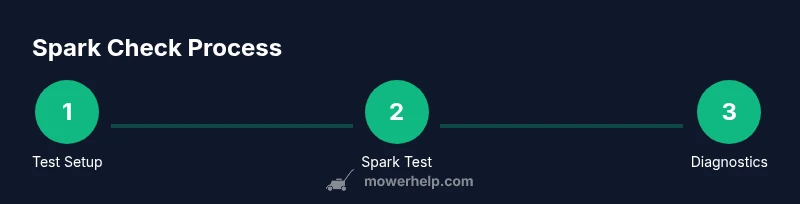
How to Check If Lawn Mower Spark Plug Is Firing
Learn how to check if your lawn mower spark plug is firing. This step-by-step guide covers safe testing, diagnosing spark issues, and practical fixes to get your mower running again.


By performing a safe ignition check, you’ll determine whether the lawn mower spark plug is firing. This guide covers symptoms of no spark, how to perform a basic test, and simple fixes you can try before replacing parts. Before you begin, switch off the mower, disconnect the battery or spark plug wire, and wear eye protection. Follow the steps to confirm ignition status.
What It Means for Spark to Fire
In a typical gas-powered lawn mower, the spark plug is a tiny, high-voltage actuator that ignites the air-fuel mixture inside the engine's cylinder. When the ignition system is working, a crisp spark jumps across the gap at the end of the plug right before the piston begins its power stroke. If the plug isn’t firing, the engine may crank but fail to start, run rough, or stall soon after starting. The presence or absence of a spark is a primary diagnostic signal in lawn mower maintenance. According to Mower Help, understanding the ignition path—from the battery or magneto source, through the wiring, to the spark plug tip—helps homeowners pinpoint where a fault originates. This is especially useful for DIY troubleshooting, since many ignition problems stem from simple wear, loose connections, or fouled plugs rather than complex motor failures. By knowing what a healthy spark looks and sounds like, you can approach repairs with confidence.
Safety First: Before You Start
Safety is non-negotiable when testing ignition components. Begin by turning off the engine and removing the spark plug wire from the spark plug boot to prevent accidental starts. If your mower uses a battery, disconnect it to avoid electrical shocks or shorts. Wear eye protection and gloves, work in a well-ventilated area, and have a fire-retardant rag nearby. Keep a clean workspace; a fouled spark plug often harbors fuel residue that can ignite if exposed to sparks. These precautions minimize risk while you diagnose the spark path and avoid injuries or damage to the mower.
How to Read Spark: Signs It Is Firing
A healthy spark is visible and consistent. When you test the plug with a spark tester or carefully ground the plug to a metal surface while the engine is cranked (with the ignition system enabled), you should see a bright, blue-white arc that jumps the gap. If the spark is weak, sporadic, or orange and dim, the ignition timing or coil may be weakening. If you don’t see any spark at all, the fault could lie in the plug, wire connections, kill switch, or coil. Consistency matters: erratic sparks during cranking are often caused by worn components or intermittent connections. Remember, the goal is a repeatable arc that occurs exactly when the plug is exposed to the ignition pulse.
Step-By-Step: Basic Spark Test Without a Tester
A quick, tester-free approach can reveal whether there’s any spark, but a dedicated tester provides a more reliable read. Start by fully disabling the mower and removing the spark plug boot from the plug. Ground the metal part of the spark plug to the engine block and have a helper crank the engine briefly. Watch for a spark at the electrode. If you see a clean spark, the ignition path is likely intact up to the plug. If not, you’ll need to inspect the plug, wire connections, and coil more closely. This section helps you identify the most likely failure points without specialized equipment.
Step-By-Step: Using an Inline Spark Tester (Recommended)
An inline spark tester is a safe, simple way to confirm ignition without modifying the mower’s wiring. Connect the tester between the plug and the boot, ground the tester’s body, and crank the engine. A strong, blue spark indicates the plug is firing properly; a weak or absent spark points to issues in the plug or ignition system. If you see no spark, power down, recheck connections, and test again to rule out a loose connection.
Interpreting Test Results: Fire vs No Fire
If you consistently observe a bright spark, the plug is firing as designed and the problem likely lies elsewhere (fuel delivery, compression, or timing). No spark generally means the ignition circuit isn’t delivering a pulse to the plug. In that case, inspect the plug itself (fouling, oiling, or wear), the spark plug boot, wiring, kill switch, ignition coil, and any safety interlocks. If you see a weak spark, it can indicate a worn coil, corroded connections, or a marginal ground. Document what you observe; this helps you decide whether to replace the plug, repair wiring, or call a professional.
Common Causes of No Spark and Quick Fixes
The most common culprits are a fouled or worn spark plug, a loose or corroded wire connection, a faulty spark plug boot, or a failed kill switch. Dirt or oil on the plug can insulate the electrical path, preventing a proper arc. Cracked porcelain, a gap misfit, or a damaged boot can also stop firing. Quick fixes include cleaning or replacing the plug, reseating wires, ensuring solid ground, and replacing damaged boots or connectors. If the ignition coil shows signs of wear or heat damage, it’s wise to replace it or seek professional assistance.
How to Check Spark Plug Condition and Gap
Remove the spark plug and visually inspect the electrode for heavy fouling, oil, or glazing. Clean lightly with a solvent or replace if fouled excessively. Do not use abrasive tools that can damage the electrode. For proper ignition, ensure the gap matches the mower manufacturer’s specification. Use a gauge to check the gap and adjust carefully if needed, following the manual. If you’re unsure, opt for a replacement plug of the correct type and heat range to restore reliable firing.
Troubleshooting Common Ignition Problems: Wires, Coil, and Switches
Beyond the plug, the race to ignition includes the spark plug boot, ignition wire, kill switch, and coil. A loose boot or frayed wire can interrupt the current. A failing kill switch can cut power unexpectedly. The ignition coil should produce a steady high-energy pulse; a weak coil reduces spark intensity and can cause misfires. Inspect connections, replace damaged components, and verify interlocks are functioning. When in doubt, test with a spare known-good coil or consult a professional.
Aftercare: Reinstalling and Testing After Maintenance
Reinstall the spark plug firmly and reconnect the spark plug boot. Reconnect the battery if you disconnected it. Crank the engine to confirm spark is present, then perform a brief test run to ensure the engine starts smoothly and idles cleanly. If the mower still struggles, re-check fuel quality, air filter condition, and carburetor activity. Consistent testing helps ensure that the ignition path remains sound after maintenance.
When to Seek Professional Help
If you’ve verified the plug, wiring, and kill switch but still have intermittent or no spark, the issue may lie with internal ignition components or compression. In such cases, a professional mower technician with diagnostic equipment can perform deeper tests and safely replace components. Routine maintenance and timely part replacements often prevent bigger problems and keep your mower operating reliably.
Tools & Materials
- spark plug wrench or socket(Choose the correct size for your spark plug (often 13/16" or 3/4"))
- spark tester or inline tester(Strongly recommended for reliable readings)
- gloves and safety glasses(Protect hands and eyes from fuel and sparks)
- rag or solvent(For cleaning carbon fouling on the plug)
- multimeter (optional)(Use for continuity checks on ignition wiring)
- owner’s manual(Reference spark plug type and gap specification)
- brand-new spark plug (optional replacement)(Carry a spare that matches the mower’s spec)
Steps
Estimated time: 30-40 minutes
- 1
Power down and prepare the mower
Turn off the mower, remove the keys or disconnect the battery if applicable, and let the engine cool. Put on safety gear and clear the area of debris. This initial setup reduces the risk of accidental starts and injuries.
Tip: Double-check that the ignition switch is in the OFF position before touching the spark plug. - 2
Locate and remove the spark plug boot
Grasp the boot firmly and pull straight off the spark plug without twisting. If resistance is high, wiggle slightly while pulling to avoid damaging the wire. Keep the boot connected to the plug cover to avoid misplacement.
Tip: Label or photograph wire routing before removal to ensure correct reattachment. - 3
Remove the spark plug
Use the correct spark plug wrench to loosen and remove the plug. Turn counterclockwise until it frees from the cylinder head. Place the plug on a clean metal surface for inspection.
Tip: Avoid dropping the plug; a cracked ceramic is a clear sign to replace. - 4
Inspect the plug and clean if possible
Look for fouling, oil, or heavy carbon buildup. Clean lightly if it’s just a light layer; deep fouling usually means replacement. Check the electrode for wear and the porcelain for cracks.
Tip: If fouling is frequent, check oil seals and fuel mix for leaks. - 5
Check the gap and adjust if needed
Compare the plug’s gap to the manufacturer’s specification in the manual. If adjustment is required, gently bend the ground electrode with a proper gap tool until it matches the spec.
Tip: Do not force the gap; over-bending can break the electrode. - 6
Test for spark with tester or ground
Attach the plug to its boot, hold the metal part against the engine block, and have a helper crank the engine. Look for a bright arc. If the spark is weak or absent, the ignition path likely has an issue.
Tip: Keep hands away from the spark path while cranking. - 7
Reinstall and re-test
Reinsert the plug and boot, reconnect any electrical connections, and crank briefly to confirm ignition. If the engine still won’t start, consider testing with a spare plug or consulting a professional.
Tip: Torque the plug to the manufacturer's specification when reinstalling. - 8
Document and decide on next steps
Note whether the plug sparked, whether it was fouled, or whether the issue points to coils or wiring. Decide if you should replace the plug, repair wiring, or seek professional help.
Tip: Keep a simple maintenance log for future troubleshooting.
Got Questions?
What are signs that a lawn mower spark plug is firing?
A healthy spark appears as a bright blue-white arc across the plug gap when tested. Consistent sparking indicates the ignition path is intact up to the plug. Weak, intermittent, or no spark suggests issues with the plug, boot, wiring, kill switch, or ignition coil.
A bright blue-white arc means the plug is firing properly; a weak or missing spark points to problems in the ignition path.
Why would there be no spark even when fuel seems fine?
No spark typically means an ignition circuit fault, such as a bad plug, loose connections, a faulty kill switch, or a weak coil. Check the basics first—plug condition, boot seating, and wiring—before assuming a major engine fault.
No spark usually means something in the ignition path is faulty—double-check plugs, boots, and wiring.
Can a dirty spark plug cause no spark?
Yes. Fouling from oil, fuel, or carbon can insulate the electrode and prevent a proper arc. In that case, clean or replace the plug and inspect for sources of oil or fuel leaks.
Fouled plugs can prevent a spark; clean or replace and fix any leaks.
How often should I replace the spark plug?
Replacement intervals vary by mower model and usage. Follow the manufacturer’s guidelines in your manual and replace if the plug shows wear, fouling, or a weak spark.
Check the manual for replacement intervals and replace worn plugs.
Is it safe to test the spark plug with the engine running?
Testing with the engine running is dangerous and generally not recommended. Use a spark tester and non-running tests to avoid accidental starts and burns.
Don’t test ignition with the engine running; use a tester and safe methods instead.
What should I do if the spark tester shows a weak spark?
A weak spark usually indicates a worn coil, poor grounding, or a marginal connection. Inspect wiring, clean grounds, and consider replacing the coil or plug if the spark remains weak after checks.
Weak spark means you should inspect the ignition coil and wiring and consider parts replacement.
Watch Video
The Essentials
- Identify whether ignition fires by spark presence.
- Inspect plug, boot, and wiring first before replacing parts.
- Use a tester for reliable results and safer testing.
- Follow manufacturer specs for spark plug gap and replacement.
- Seek professional help if ignition components prove elusive.