How to Check If Your Lawn Mower Has Spark
Learn how to check if your lawn mower has spark with a clear, safe, step-by-step method. Includes spark plug inspection, testing methods, common fixes, and maintenance tips for reliable starting.


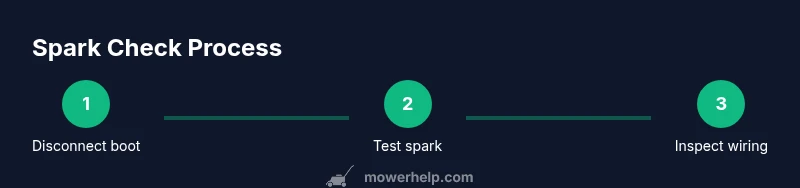
By following these steps, you will determine whether your lawn mower has spark and is ready to start. Start by safely preparing the mower, then inspect the spark plug, and finally test for a spark with a tester or grounded plug. If spark is present, reassemble and proceed with normal startup; if not, diagnose ignition components.
Why Spark Checks Matter
A lawn mower relies on a strong spark to ignite the fuel-air mixture in each cylinder. If ignition is weak or absent, the engine won't start or will stall soon after starting. According to Mower Help, spark reliability begins with a clean spark plug and secure ignition wires. The Mower Help team found that many starting problems are spark-related, not fuel issues, especially in older machines or after long storage. Understanding spark is the first step in diagnosing starting problems and saving time on repairs. In this section we’ll outline what to check, what tools you’ll need, and how to test the spark safely and accurately.
Safety First: Prepare Your Mower
Safety is non-negotiable when diagnosing spark issues. Park the mower on a flat, level surface, engage the parking brake if present, and remove the key or battery disconnect if applicable. Always disconnect the spark plug boot before touching any ignition parts to prevent accidental shocks or unexpected startups. Work in a well-ventilated area away from open flames or fuel spills. The Mower Help team emphasizes starting with safety to avoid injuries and damage. Keep a clean workspace and lay out a light cloth so you don’t lose small parts.
Inspect the Spark Plug and Ignition Cable
Remove the spark plug boot and inspect the plug tip for signs of fouling, oil, or heavy carbon buildup. A clean, dry electrode is a good sign; excessive fouling or a cracked ceramic means the plug should be replaced. Check the ignition wire for cracks, corrosion, or looseness at the boot and at the spark plug connection. If the wire shows wear, replace the coil or wiring harness as needed. This visual check is a quick but powerful indicator of ignition health and aligns with broader mower maintenance best practices that the Mower Help Team recommends.
How to Test Spark: Methods and Tools
The most reliable test uses a spark tester connected to the spark plug and grounded to the engine block while you crank the engine. If you don’t have a tester, you can perform a grounded spark test by placing a removed plug on the engine head and cranking (with the boot attached). Always perform this with the spark plug out of the engine to avoid fuel exposure. If you get a bright, blue spark, ignition is likely okay. A weak or orange spark indicates ignition issues that may require plug replacement, coil testing, or wiring repair.
Interpreting Results and Next Steps
If you observe a healthy spark, reinstall the plug, reconnect the boot, and try starting the mower. If the engine still won’t start, the issue could lie elsewhere (fuel system, air intake, carburetor, or mechanical timing). If no spark is observed, troubleshoot the ignition system further by testing the ignition coil, kill switch, and wiring continuity. Systematic testing helps avoid unnecessary part replacement and aligns with prudent maintenance practices endorsed by the Mower Help Team.
Common Failures and Quick Fixes
Common spark-related failures include a fouled plug, a damaged ignition wire, or a weak ignition coil. Cleaning a fouled plug is sometimes helpful, but replacement is often the best long-term fix. Ensure the correct plug type and gap according to the mower manual; never force a plug that doesn’t fit. If the ignition coil or wiring shows signs of wear, seek professional help to avoid dangerous shorts or fire risk. Regular maintenance reduces these issues over time and keeps your mower ready for the season.
When to Seek Professional Help
If you’ve validated a clean plug, secure wiring, and a good ground but still observe no spark, the fault may lie with an internal ignition coil, damaged safety switch, or wiring harness that requires diagnostic equipment beyond home tools. The Mower Help team recommends consulting a qualified technician for persistent ignition problems to prevent further damage and ensure safe operation.
Tools & Materials
- Spark plug wrench/socket(Use the correct size for your plug (check mower manual).)
- Spark plug tester or multimeter(Essential for a definitive spark check.)
- Screwdriver set(To remove panels or covers if needed.)
- Safety gloves(Keep hands protected during testing.)
- Rag or shop towel(Wipe away fouling and keep the area clean.)
- Replacement spark plug(Carry a spare if the plug is worn or damaged.)
Steps
Estimated time: 20-30 minutes
- 1
Disconnect the spark plug boot
Ensure the mower is off and cool. Grasp the boot with a firm grip and pull straight away from the plug to avoid damaging the wire. This prevents accidental shocks while you work.
Tip: Wear gloves and keep the boot in a safe place to avoid loss. - 2
Remove the spark plug
Use a spark plug wrench/socket to loosen and remove the plug from the cylinder head. Do not wrench too hard; apply steady, perpendicular force to avoid breaking the porcelain.
Tip: Turn counterclockwise and keep the plug upright to prevent oil leaks. - 3
Inspect the plug visually
Look for fouling, oil on the electrodes, cracks in the ceramic, or excessive wear. If the electrode looks dirty but not damaged, cleaning may suffice; otherwise replacement is recommended.
Tip: Note color and deposits as clues to fuel, oil, or combustion issues. - 4
Clean or replace the plug
If choosing cleaning, scrub the electrodes with a wire brush and dry thoroughly. If damaged or heavily fouled, install a new plug of the correct type and heat range.
Tip: Avoid soaking the plug; moisture can cause misreads during testing. - 5
Re-gap and reinstall the plug
Set the gap to the manufacturer’s specification and reinstall the plug hand-tight, then snug with the wrench. Ensure the threads are clean to prevent cross-threading.
Tip: Always verify the gap with a feeler gauge before reinstalling. - 6
Reconnect the spark plug boot
Push the boot firmly onto the plug until you feel a click. A loose boot can interrupt the ignition path and give false test results.
Tip: Ensure no fuel-soaked cloth is near the boot during reconnection. - 7
Test spark with a tester
Ground the tester to the engine block and crank the engine. A bright blue spark indicates good ignition; a weak or yellow/orange spark suggests a problem.
Tip: If you don’t get a spark, re-check the boot and wire connections for corrosion. - 8
Decide on next steps based on results
If you see a strong spark, move on to other starting issues (fuel, air, compression). If there’s no spark, test the coil and wiring with appropriate tools or consult a professional.
Tip: Document results to guide a technician if you need help later.
Got Questions?
What causes a lawn mower to have no spark?
No spark can be caused by a fouled spark plug, a damaged ignition coil, a faulty kill switch, or corroded wiring. Start with a visual inspection of the plug and its connections, then test with a spark tester before moving on to more complex diagnostics.
Common causes include a bad spark plug, damaged coil, or wiring problems. Start with the plug and connections, then test with a spark tester.
Do I need to disconnect fuel before testing spark?
While not strictly required, it's safer to test with fuel off and the spark plug boot disconnected to prevent fuel spraying or leaks. Always work away from open flames and in a ventilated area.
Yes—avoid fuel exposure by working with the fuel off and the boot disconnected when testing.
Can a dirty spark plug still spark?
A dirty plug can sometimes still spark, but heavy fouling usually prevents ignition. Cleaning can help, but replacement is often the reliable fix if deposits are excessive or the plug is damaged.
A dirty plug can spark, but heavy fouling usually means replacement.
What tools do I need to test spark?
You’ll need a spark tester or a multimeter, a spark plug wrench, and a clean workspace. A rag helps keep components clean and prevents you from losing small parts.
A spark tester, a plug wrench, and a clean workspace are enough for a basic test.
When should I seek professional help?
If there is no spark after testing the plug and wiring, the issue may lie with the ignition coil or more complex internal faults. A qualified technician can diagnose and repair safely.
If you still have no spark after checks, consider a professional diagnosis.
Watch Video
The Essentials
- Check spark health as part of routine maintenance.
- Keep ignition wires secure and clean.
- Test spark with a tester to confirm ignition path.
- Replace worn plugs promptly to prevent damage.