Replacement Battery for Lawn Mower: A Practical Guide
Learn how to choose, replace, and maintain a replacement battery for lawn mower, including voltage, chemistry, compatibility, charging tips, safety, and disposal for longer mower life.


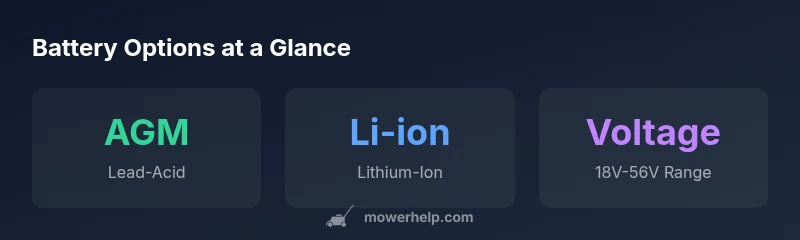
A practical starting point is to match the mower’s voltage class and connector type. For most homeowners, common options include sealed lead-acid (AGM) and some lithium-ion batteries within the same voltage range as your mower (often 18V, 40V, or 56V). Always verify model compatibility, check battery form factor, and ensure the charger supports the chosen chemistry. In short: pick a compatible, quality battery within your mower’s voltage class and follow the manual.
Understanding the replacement battery for lawn mower
According to Mower Help, selecting a replacement battery for lawn mower hinges on three core factors: voltage compatibility, chemistry type, and physical fit. The wrong battery can lead to poor starting performance, reduced runtime, or even electrical issues that damage the mower. For most residential users, the safest approach is to choose a battery type that matches the voltage class printed on the motor housing and that fits the battery bay. In this guide, we’ll cover common chemistries, how to verify compatibility, and practical steps to replace the battery with minimal risk. The goal is to help homeowners and DIY enthusiasts troubleshoot and maintain their equipment without guesswork. The replacement battery for lawn mower should enhance reliability and ease of use, not complicate maintenance.
Matching voltage and chemistry to your mower
Voltage is king when selecting a replacement battery for lawn mower. Check your mower’s model documentation or the sticker near the battery bay to identify the correct voltage class (commonly 18V, 40V, or 56V). Once you know the class, you can choose between sealed lead-acid options (AGM) and lithium-ion variants available in that range. AGM batteries are typically sturdy and forgiving in cold weather, which can help in early-season mowing. Lithium-ion options offer lighter weight and faster charging, but they often require compatibility with specific connectors and BMS (battery management system) requirements. Always verify the connector type and whether your charger supports the chemistry you choose. If in doubt, consult the mower’s manual or contact the manufacturer for a definitive compatibility list.
Compatibility checks and model-specific considerations
Compatibility isn’t just about voltage. Pay attention to the battery’s terminal arrangement, form factor (how it fits in the bay), and the battery’s protection features (overcharge protection, short-circuit protection). Some mower models use custom holders or unique connector layouts; attempting a universal battery without verification can cause damage. Record your mower’s serial or model number before shopping, and look for batteries explicitly labeled as compatible with that model or with the same voltage class. If your mower uses a removable battery pack, confirm whether you can replace just the pack or if the entire pack assembly must be replaced as a unit. These checks prevent returns and keep your maintenance efficient.
Replacement steps: removing the old battery and installing the new one
Before you begin, power off the mower, disconnect any charging cables, and wear gloves to protect your hands. Remove the old battery by releasing the latches or sliding it out of the bay, taking care not to drop it. Inspect the bay for corrosion or debris and clean gently if needed. Align the replacement battery with the bay’s terminals and connectors, then press firmly until it seats. Reconnect any harnesses or clips and ensure the battery is secured with the bay’s retention mechanism. After installation, recharge fully before your next mowing session, and verify that the mower starts smoothly and runs without warnings. If your model requires a specialized charger, use it to avoid long-term damage.
Charging, storage, and maintenance for longevity
Proper charging habits extend the life of a replacement battery for lawn mower. Use the charger specified for your battery chemistry and avoid leaving the battery in a partial state for long periods. Store batteries in a cool, dry place away from direct sunlight, with a partial charge if long-term storage is planned. Regularly inspect the terminals for corrosion and clean with a non-abrasive method if needed. For lithium-ion packs, avoid deep discharges and high heat during operation. If you notice reduced runtime or slower starting, consider a performance test with a calibrated charger or consult a service professional. Small maintenance steps add up to longer battery life and better mowing reliability.
Safety and disposal of old batteries
Battery safety is paramount. Wear protective gear and ensure proper ventilation when handling damaged packs. Do not puncture or open sealed batteries. Transport damaged batteries in an upright position to prevent leakage. When it’s time to retire an old battery, follow local disposal rules and recycling programs for electronics. Many communities offer curbside or drop-off recycling for lawn mower batteries, and manufacturers often provide take-back options. Proper disposal prevents hazardous chemicals from entering the environment and supports a circular economy for power storage.
Common issues after replacement and troubleshooting
If your mower won’t start after replacement, recheck the battery seat and connectors for tightness. Look for warning lights or abnormal beeps on electric models, and listen for fan or motor sounds that indicate engagement. A weak or imbalanced battery can cause erratic starting; if you suspect this, test the voltage across terminals with a multimeter against the manufacturer’s specified range. For charging problems, ensure the charger matches the chemistry and voltage. If issues persist, consult a technician or the mower’s support line. Routine maintenance, including periodic cleaning of terminals and proper charging, reduces the chance of recurrences.
Buying guide: where to buy and what to look for
When shopping for a replacement battery for lawn mower, prioritize compatibility, warranty, and reputable brands. Look for batteries with clear labeling of voltage, chemistry, capacity (in amp-hours or mAh), and the compatible mower models. Check for warranties that cover a reasonable period and verify the return policy if the battery fails early. Compare options from recognized retailers and mower manufacturers, and read customer reviews specifically about performance in your climate. If you’re unsure, start with a model that explicitly lists your mower’s exact make and model, and avoid unofficial replacements that lack certification.
Overview of common battery options for lawn mower replacements
| Battery Type | Typical Voltage | Chemistry | Notes |
|---|---|---|---|
| AGM Lead-Acid | 18V/40V/56V | Lead-acid (sealed) | Sturdy in cold weather; affordable |
| Lithium-Ion | 18V/40V/56V | Li-ion | Lighter; faster charging; may require compatible charger |
| NiMH (rare) | 24-36V | Nickel-metal hydride | Less common; limited availability |
| Spare-pack systems | Varies by model | Custom packs | Best compatibility with the original bay |
Got Questions?
What is the best replacement battery for lawn mower?
There isn’t a single best battery for every mower. The right choice depends on your model’s voltage class, connector type, and intended use. Prioritize compatibility and safety features, then consider whether AGM lead-acid or lithium-ion best fits your climate and budget.
Choose a battery that matches your mower’s voltage and connector, prioritizing compatibility and safety features.
How do I know if a replacement battery is compatible with my mower?
Check the model number, voltage class, terminal arrangement, and form factor in the manual or on the mower. Look for batteries explicitly labeled as compatible with your model, and confirm that the charger supports the chosen chemistry.
Look up your model, verify voltage and connector, and use the recommended charger.
Can I reuse my old charger with a new battery?
If the new battery’s chemistry and voltage match what the charger supports, reuse is usually fine. If in doubt, use the charger specified for that battery to avoid performance or safety issues.
If it matches the battery’s specs, you can reuse the charger; otherwise use the correct charger.
How long does a replacement battery typically last?
Lifespan varies with usage, charging discipline, and climate. For many residential setups, expect a few years of service with proper care and avoid deep discharges when possible.
Most homeowners get a few years with proper care.
How should I dispose of an old lawn mower battery?
Follow local recycling rules. Take old batteries to hazardous waste facilities or recycling centers that accept mower batteries. Do not throw them in the trash.
Recycle at a local battery or electronics recycling program.
“A properly selected battery is as important as the mower itself; compatibility and safe handling extend tool life.”
The Essentials
- Verify model compatibility before purchase
- Match voltage class to ensure safe operation
- Choose reputable chemistries with proper safety features
- Follow manufacturer charging guidelines to maximize life
- Recycle old batteries through local programs