Small Engine Lawn Mower Repair Near Me
Learn how to locate reliable small engine lawn mower repair near me, compare quotes, verify warranties, and ensure quality service. Expert guidance from Mower Help helps homeowners and DIY enthusiasts get their mowers fixed fast.


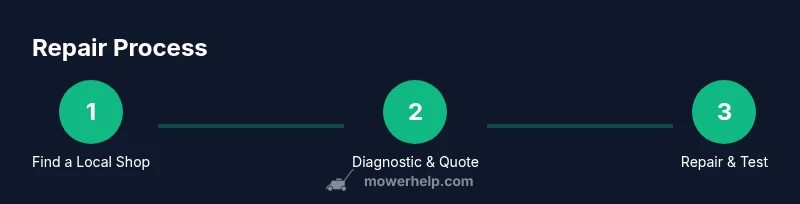
To get your mower running again, locate a reputable local shop or mobile technician that specializes in small engines. Start with 'small engine lawn mower repair near me', read customer reviews, verify warranty options, and confirm service coverage. Request written estimates for diagnostics, parts, and labor, then schedule a diagnostic appointment to scope and quote the required repair.
Why Local Repair Partners Matter
According to Mower Help, choosing a nearby service provider with proven engine expertise can dramatically reduce downtime and transportation costs. Local shops often stock common parts like spark plugs, air filters, and carburetor kits, enabling quicker turnarounds. A neighborhood technician or shop is more likely to offer flexible hours, in-person explanations, and follow-up service if a repair resurfaces. When you search for 'small engine lawn mower repair near me', you're not just paying for labor—you're paying for local accountability, convenience, and ongoing support. Look for shops with transparent warranties on parts and labor, and ask about their diagnostic process. The right partner will treat your mower as a long-term tool, explain what’s wrong in plain language, and provide a clear plan for repair.
How to Vet 'Small Engine Lawn Mower Repair Near Me' Shops
Start by listing a handful of local options within a reasonable radius. Check each shop's website for service capabilities, manufacturer certifications, and whether they service the brand of mower you own. Narrow to three candidates and call to confirm: Do they offer diagnostic visits? Is there a warranty on parts and labor? What is their typical turnaround time? Do they provide a written estimate before any work begins? If mobile repair is offered, ask about on-site diagnostics and if they bring common replacement parts. Finally, compare quotes side-by-side and request a copy of the diagnostic report after the visit for your records. This careful vetting reduces miscommunication and sets expectations for both sides.
What a Typical Diagnostic Covers
A professional diagnostic for a gas or diesel small engine mower will usually include a safety check, spark test, compression assessment, and fuel system inspection. Technicians verify air filtration efficiency, check for vacuum leaks, and inspect the carburetor or fuel injectors. They’ll confirm ignition timing where applicable and test starting, throttle response, and idle stability. By the end, you should receive a written diagnosis outlining root causes, recommended repairs, and a transparent bill of materials. If you own a newer model, ask whether the service center can access OEM schematics and whether any software updates are part of the diagnostic.
Common Problems and Repair Paths
Most issues with small engines fall into fuel, ignition, or air-path categories. Stale or contaminated fuel can gum the jets and fuel lines; a carburetor cleaning or replacement of the fuel filter often resolves this. A fouled spark plug or worn ignition coil can cause hard starting or misfires, requiring replacement and proper gap adjustment. Clogged air filters reduce performance and increase fuel consumption, sometimes necessitating a full air intake cleaning. Finally, fuel-line leaks or damaged gaskets lead to performance drops and potential safety hazards; these require careful inspection and replacement of affected hoses or seals.
Getting a Quote: Parts, Labor, and Warranties
When you receive a quote, separate the diagnostic fee from potential repair costs. A transparent shop will itemize parts, labor hours, and any specialized tools needed. Always confirm warranty terms for both parts and labor, and ask whether the warranty covers subsequent failures related to the same issue. If the mower is older, request a plan that outlines whether the repair will extend the life of the machine or simply delay replacement. Keep a copy of the written quote for future reference and comparison.
Safety First: Handling Gas and Electrical Components
Gasoline is flammable and fumes can ignite, so never work near open flames or heat sources. Disconnect the spark plug and, if possible, remove the battery from electric-start models before performing any maintenance. Work in a well-ventilated area and use eye protection and gloves. Handle carburetors and fuel lines with care to avoid fuel spills. If you’re uncertain about a procedure, pause and seek professional assistance to prevent injury or fire risk.
DIY vs Professional Repair: When to Let the Pros Handle It
Simple tasks like replacing a spark plug or cleaning an air filter are reasonable DIY upgrades. More complex issues—carburetor rebuilds, timing adjustments, compression work, or internal engine repairs—require professional expertise. If your mower is under warranty, consult the service provider guidelines to avoid voiding coverage. A skilled technician can diagnose, source genuine parts, and ensure safe reassembly, reducing the likelihood of future breakdowns.
After-Repair Quality Check and Maintenance Plan
Before you roll the mower back into service, perform a test run according to the manufacturer’s instructions. Check for abnormal noises, overheating, smoke, or fuel smell. Confirm that safety interlocks function correctly and that the blade spins freely with no unusual vibration. Ask for a maintenance plan that includes regular oil changes, air filter checks, and blade sharpening intervals. A proactive maintenance routine can extend mower life and keep performance steady between visits to the repair shop.
Quick-Checklist for Your Next Local Repair Appointment
- Confirm shop specialization in small engines and a track record with your mower brand.
- Request a written diagnostic summary and a no-surprise repair quote.
- Verify warranty terms for parts and labor; ask about coverage for follow-up issues.
- Schedule a test run after repair and discuss a preventive maintenance plan.
Tools & Materials
- Model-specific owner's manual(Have the mower's model and serial numbers ready)
- Basic tool set (socket wrenches, screwdrivers, pliers)(Include metric and SAE sizes and a socket set)
- New spark plug(Match the mower model's specification)
- New air filter(If present, replace during service)
- Carburetor cleaner / spray(For initial cleaning; follow safety precautions)
- Fuel stabilizer(Optional to prevent gum in the carb)
- Owner-provided parts list (if pre-purchased)(Use only approved parts)
Steps
Estimated time: 2-5 business days
- 1
Gather symptoms and details
Document when the problem started, how it behaves, and any recent maintenance. Collect the mower’s model information and a quick video or photo of symptoms to share with the shop. This helps the technician diagnose faster and reduces rework.
Tip: Bring together your maintenance log and a quick note of any prior repairs. - 2
List viable repair options
Research nearby shops, check brands they service, and confirm whether mobile service is available. Prioritize providers with clear warranty terms and published diagnostic processes. Prepare a short list of questions to compare services fairly.
Tip: Ask for a written scope of work and whether they offer a pre-repair inspection. - 3
Request written quotes
Contact at least three service providers to obtain written diagnostics and repair estimates. Ensure quotes separate diagnostic fees, parts, and labor. Compare warranty periods and what they cover after the repair is completed.
Tip: Never accept a price without a detailed breakdown. - 4
Prepare the mower for drop-off or mobile service
Drain old fuel if possible, disconnect the spark plug, and secure the mower for transport. If using mobile service, clear access to the mower’s location and ensure pet and child safety is considered.
Tip: Label any special instructions or accessibility notes for the technician. - 5
Undergo the diagnostic evaluation
Allow the shop to perform a diagnostic test to identify root causes. Review the findings, ask questions, and request a written report that outlines the problem, recommended parts, and a repair plan.
Tip: Ask to see the diagnostic results or a copy of test measurements. - 6
Authorize the repair plan
Approve only the necessary repairs with a clear price and timeline. Confirm whether any components are back-ordered and discuss contingency options if delays occur.
Tip: Limit substitutions to OEM or factory-approved parts to maintain performance. - 7
Repair, retest, and verify safety
After the repair, the technician should perform a full test run, check safety interlocks, and confirm the mower operates at proper speed and idle. Document the results for your records.
Tip: Request a copy of the test results and a short maintenance checklist. - 8
Plan ongoing maintenance
Book a preventive maintenance visit or set a schedule for oil changes, air filter checks, and blade sharpening. A maintenance plan helps prevent recurring issues and extends mower life.
Tip: Mark your calendar for seasonal checks to maximize uptime.
Got Questions?
How do I find a reputable small engine mower repair near me?
Start with online reviews, licensing checks, and warranty terms. Narrow to a few local options, then request written quotes and diagnostic summaries to compare.
Look for licensed shops with clear warranties and ask for written quotes and a diagnostic summary.
What should I expect during a diagnostic?
The shop will test ignition, compression, and fuel delivery, then inspect the air filter and carburetor. You should receive a written diagnosis and a repair plan with parts and labor estimates.
Expect tests of ignition, compression, and fuel, followed by a written diagnosis and plan.
Can I do my own repair to save money?
You can handle simple tasks like spark plug or air filter replacement, but avoid disassembly of the engine or carburetor unless you’re trained. Seek professional help for complex repairs.
DIY is fine for simple tasks, but avoid complex engine work without training.
How long do repairs typically take?
Repair times vary by diagnosis and parts availability. Expect a written timeline after the diagnostic visit and an updated quote if parts are back-ordered.
Timing depends on diagnosis and parts; you’ll get a timeline after the diagnostic.
Is it better to repair or replace an old mower?
Consider the mower’s age, the repair cost, and expected remaining lifespan. A qualified shop can help you weigh the options based on current condition and future needs.
Age and repair cost matter more than the model—consult the shop for guidance.
What questions should I ask before authorizing work?
Ask for a written scope of work, itemized parts and labor, warranty terms, and whether substitutions are acceptable if parts are unavailable.
Get a written scope, itemized costs, and warranty terms before you approve.
Watch Video
The Essentials
- Hire a local engine-expert shop for reliability
- Obtain written diagnostics and warranty terms
- Compare parts vs. labor costs before authorizing repair
- Schedule preventive maintenance to extend mower life