Cost for Lawn Mower Repair in 2026: What Homeowners Should Know
Discover realistic cost ranges for lawn mower repair in 2026, from tune-ups to engine work. Learn what drives prices, how to estimate quotes, and tips to save without sacrificing reliability.


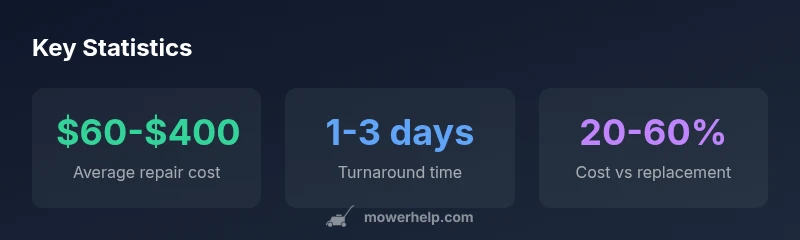
Typical lawn mower repair costs range from roughly $60 to $400 for most routine jobs, with minor tune-ups at the low end and engine work or deck repairs reaching toward the mid-to-upper range. Major engine or carburetor fixes can exceed $500 in some cases, and regional labor rates may push prices higher in urban areas. Always ask for an itemized estimate before work.
Understanding the true cost of lawn mower repair
The price you pay to fix a lawn mower is rarely a single number. For homeowners and DIY enthusiasts, the total cost depends on the repair type, the mower model, and where you live. According to Mower Help, even small tune-ups can carry parts and labor charges that add up quickly, while engine or deck repairs can push the bill well into the hundreds. In 2026, the cost for lawn mower repair ranges widely—from inexpensive preventive work to major engine overhauls—so having a plan helps you avoid sticker shock and make an informed decision. This article explains the main drivers of price, how to interpret a repair quote, and how to approach budgeting for maintenance or unexpected fixes. By understanding the cost landscape, you can decide whether to repair now, postpone, or replace when the time is right.
Factors that drive repair costs
Repair costs hinge on several core factors that you can influence with better information. The mower type (gas vs electric), engine condition, and the age of the unit often dictate parts availability and labor intensity. Local market rates play a big role—urban shops typically charge more for travel and diagnostic time than rural shops. Labor rates are affected by shop overhead, technician experience, and whether the repair requires removing the engine, carburetor cleaning, or a deck overhaul. Parts costs vary depending on OEM versus aftermarket components, warranty status, and whether the repair is cosmetic or structural. Finally, the diagnostic time matters: a quick assessment may be a flat fee, while complex issues require thorough testing, which increases the bill. Understanding these factors helps set expectations before you authorize work.
Cost ranges by repair type
Based on Mower Help Analysis, 2026, repair costs cluster around a few major categories. The ranges below are intended to guide budgeting and are not quotes:
- Tune-up/Diagnostics: $60–$120 — Includes spark plug, air filter check, oil level check, and overall system inspection.
- Blade sharpening or replacement: $10–$60 — Original blade condition drives whether you sharpen or replace; costs vary with blade size.
- Carburetor cleaning: $40–$120 — Labor-intensive; may require parts or a carb kit if the issue is stubborn.
- Engine/major repair: $200–$500 — Could involve compression tests, replacement parts, or internal work; costs rise quickly with engine age and model.
Electrical issues and deck repairs fall in between, often landing in the mid-range, depending on the complexity. Remember, these ranges help you plan, but a formal quote will depend on your exact mower and local shop.
Regional and brand influences on price
Location matters in practical terms; shops in cities or affluent neighborhoods tend to have higher labor rates and travel fees. Brand influence matters as well: premium brands often require specialized parts and trained technicians, which can add a premium to your bill. Warranty status can also reduce out-of-pocket costs if the issue is covered, though some brands impose service fees regardless of parts availability. If a dealer is involved, you may incur diagnostic fees that independent shops might waive with a repair job. While brand reputation can steer perceived value, it does not guarantee lower costs—the actual price is driven by the exact repair path and required parts.
How to estimate costs before service
To avoid surprises, use a structured approach before authorizing any work. Start with a symptom checklist (hard starting, smoking, unusual noises, poor cutting performance) and document when each issue began. Call or email shops for written estimates that itemize parts and labor separately, plus any diagnostic charge. When you receive quotes, compare the total, parts costs, and labor hours. If you’re between repair and replacement, ask for a side-by-side estimate for both options, including expected lifespan and maintenance costs for a replacement. Finally, consider your mower’s age and the cost of future fixes; a repair that buys only a year or two of service may not be worth it in the long term.
Repair vs replacement: making the call
Deciding whether to repair or replace hinges on a few practical questions. If the repair cost approaches or exceeds a substantial fraction of a comparable, similarly sized model’s price, replacement may be a wiser investment—especially if the mower is older or has known reliability issues. If the repair extends the mower’s life by several seasons and the unit is otherwise sound, repair can offer good value. Keep in mind that some big-ticket engine or hydraulic repairs may not be cost-effective when you account for future maintenance needs. A thoughtful comparison—cost today, expected lifespan, and maintenance trajectory—helps you decide with confidence.
Practical tips to minimize repair costs
Small proactive steps can keep repair bills affordable over time. Regular blade maintenance and air filter changes prevent gross wear and improve efficiency. Schedule preventive tune-ups before peak mowing season to catch issues early when parts are cheap and labor is typically more available. Keep a record of service intervals and warranty coverage to avoid redundant work. If you must choose between OEM and aftermarket parts, weigh reliability against price, and consider a reputable repair shop that offers a parts-and-labor warranty. Finally, if a diagnostic charge is involved, request it be credited toward the repair should you proceed with the work.
Reading an estimate: what to look for
A good repair estimate should clearly separate parts from labor, specify the brand and part numbers, and include any disposal fees or shop supplies. Watch for vague lines such as “labor as needed” or “miscellaneous fees”—these can hide unexpected costs. Ask for the expected timespan and the likelihood of needing additional parts or follow-up visits. If a quote seems unusually low, request a second opinion to confirm that the shop is not skimping on essential work. Finally, verify whether the price includes tax and any seasonal discounts.
The long‑term value of maintenance and smart budgeting
Ongoing maintenance reduces the likelihood of major failures and keeps repair costs predictable. By budgeting for annual tune-ups and quick fixes, you spread out expenses into manageable yearly amounts rather than large, unplanned bills. A well-maintained mower preserves resale value and safety, which is especially important for homeowners who rely on reliable equipment in spring and summer. The combination of proactive care, clear quotes, and a disciplined budgeting approach is how most DIYers and homeowners keep total mower ownership costs under control over a multi-year horizon. The Mower Help team emphasizes that smart maintenance reduces the risk of costly failures and extends your mower’s useful life.
Estimated repair cost ranges by service type
| Repair Type | Typical Cost Range | Notes |
|---|---|---|
| Tune-up/Diagnostics | $60-$120 | Spark plug, air filter, oil check, basic inspection |
| Blade sharpening/replacement | $10-$60 | Depends on blade condition and size |
| Carburetor cleaning | $40-$120 | Labor-intensive; may need a carb kit |
| Engine repair | $200-$500 | Major work; may exceed with age and model |
Got Questions?
What factors influence lawn mower repair costs?
Repair costs vary with mower type, age, and engine complexity, plus local labor rates and diagnostic time. Parts choice (OEM vs aftermarket) also shifts the total. Understanding these factors helps you set realistic expectations before service.
Repair costs depend on mower type, engine complexity, and local rates. Expect parts choices and diagnostic time to influence the final price.
When is repair not worth it and replacement is better?
If the quoted repair approaches or exceeds the price of a comparable new or used mower, replacement often makes more sense. Age and anticipated future failures also matter; a looming pattern of costly fixes may justify buying new.
If the repair cost is close to a replacement price, replacement may be wiser, especially if the mower is older.
How can I estimate costs before service?
Request written estimates that separately list parts and labor, ask for a breakdown of any diagnostic fees, and seek quotes from multiple shops. Compare the final totals and the included warranties.
Get a written estimate from a couple of shops and compare the totals before you say yes.
Does mower type affect repair costs more than other factors?
Gas-powered and advanced electric models often require more complex parts and labor than basic push mowers, which can raise costs. Brand and model influence the availability of parts and the skill needed by technicians.
Gas and high-end electric models usually cost more to repair than basic mowers.
Are DIY repairs a good way to save money?
DIY repairs can save money on simple tasks if you have the skills and tool access. For complex issues, professional service is safer and can prevent accidental damage that leads to higher costs.
DIY can help for small fixes, but leave major work to pros to avoid bigger bills.
“Repair costs should be evaluated against the mower’s age and replacement price; a well-timed repair can extend life at a fraction of replacement costs.”
The Essentials
- Get a written, itemized repair estimate before authorizing work.
- Compare common tune-ups to major engine work for cost context.
- Regional labor rates affect total cost.
- Weigh repair costs against replacement to judge value.
- Ask about part options and warranty implications.